Home Blog Page 1881

Houseplants: Pea plant inspires with its unique look – and smells great too

0

Are you looking for an easy-care houseplant that not only looks pretty in a hanging basket, but also surprises you with an unexpected fragrance? Then the pea plant is made for you. Its spherical leaves are reminiscent of a string of pearls – and if you do everything right, it will even reward you with delicate white flowers that have a surprising cinnamon scent.

The green hanging plant with a hint of cinnamon

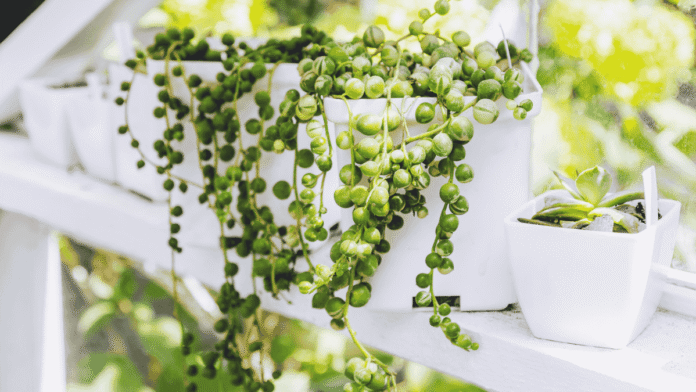
The pea plant (Senecio rowleyanus) 🛒, also under the name String of Pearls originally comes from South Africa and is a leaf succulent. Its long, hanging shoots with spherical leaves not only look decorative, but also store water – ideal if you tend to forget to water.

But its visual highlight isn’t everything: in optimal conditions, the pea plant produces small, tubular flowers. And here comes the surprise: they smell sweet and spicy like cinnamon. Who would have thought that of a succulent plant?

How to make your pea plant smell good

In order for your pea plant to produce flowers, it needs a bright location, but not direct midday sun. A window spot with morning or evening sun or plenty of indirect light is ideal. Temperatures also play a role: in summer, the plant feels comfortable at around 20 °C, in winter it needs a cool dormant phase at around 12 to 15 °C. This change in temperature stimulates flower formation.

Beautiful and “fragrant” at the same time: the pea plant is an absolute eye-catcher and also smells good. Credit: Jana – stock.adobe.com

You should also water the plant sparingly. As soon as the leaves can be easily pressed in or show small wrinkles, it’s time to water – preferably from below. During the growth phase, you can help with a mild liquid fertilizer every six weeks. This will give the plant enough strength to produce its fragrant flowers in spring.

Proper propagation of pea plants – very easy with cuttings

Would you like to have more of these charming cinnamon plants in your home? No problem! In spring, cut a shoot between two “peas”, leave it to dry for two days and then stick it in slightly moist soil. In a warm, bright place, the cutting will develop roots in about two weeks.

Tip: Plant several cuttings in one pot at the same time – this will create a lush, dense “carpet of pearls” over time.

Caution: Even if it looks like this, it is not edible

As pretty as the leaves look: The pea plant is slightly poisonous. So keep it out of the reach of children and pets. Contact with the sap or accidental consumption can lead to gastrointestinal complaints.


You may also be interested in these articles:


The pea plant not only smells wonderful – it’s also uncomplicated

Whether in the bedroom, living room or office: the pea plant not only adds style to your home with its hanging shoots, but also surprises you with a delicate scent of cinnamon when it’s feeling really well. Easy to care for, decorative in a self-tied hanging basket and a real talking point – just the thing for anyone who loves plants but doesn’t have green fingers.

Source: Plantura, Feey

The links marked with the shopping cart 🛒 are affiliate links. The products are researched to the best of our authors’ knowledge and some are also recommended from personal experience. If you click on such an affiliate link and buy something through it, our editorial team will receive a small commission from the online store in question. For you as a user, the price does not change and there are no additional costs. The income helps us to offer you high-quality, entertaining journalism free of charge.

You should never flush these 9 things down the drain

0

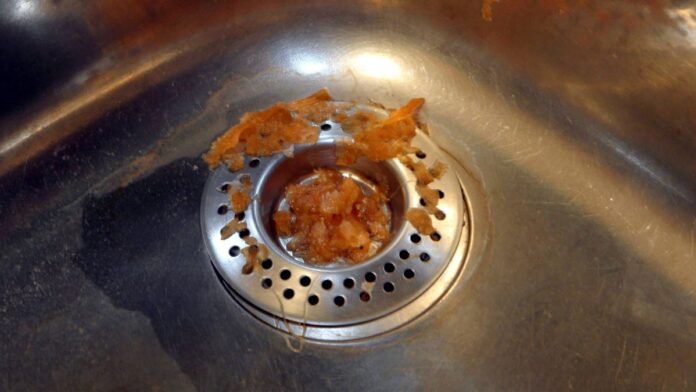
Pharmaceutical residues can be found almost everywhere in nature. Some of it ends up in wastewater via our urine. However, some is also simply poured down the sink. Although medicines in wastewater are not directly dangerous for humans, they are a burden on the environment. And wastewater treatment is becoming increasingly expensive. After all, nobody wants to have medicines in their drinking water that are not intended for them.

But why do only a few pharmacies offer to accept expired medicines these days? Because a large proportion of residual waste is incinerated. Incineration destroys the harmful components of the medication. In principle, tablets, ointments and tinctures that are no longer used can therefore be disposed of with the normal residual waste. However, there is no standardized regulation for this. Here you can find out how to get rid of old medicines in your region. But definitely not down the drain.

Sinks and washbasins are not garbage chutes! It is certainly unavoidable that more than just water runs down the drain from time to time. But if you pay attention to the points mentioned above, you will reduce the strain on pipes, health and the environment. They will thank you for it. And so will you – because a blocked drain is anything but a pleasure. Credit: IMAGO / Panthermedia

Doing the laundry: This kitchen spice ensures freshness in the washing machine

0

You’re sure to find bay leaves in hearty stews, Mediterranean sauces or savory meat dishes. But did you know that you can use the spicy leaves in more than just the kitchen? Bay leaves also work wonders in the washing machine. Do you already know this simple household trick? If not, read on quickly!

Why you should put bay leaves in the washing machine

Bay leaf is more than just an aromatic culinary herb. The leaves contain essential oils with antibacterial and antifungal effects – properties that can be put to good use when washing.

Have you ever put bay leaves in your washing machine? Credit: FUNKE Digital

Fresh scent instead of musty laundry

If your towels smell unpleasant after washing or your heavily used sportswear just doesn’t want to be fresh anymore, bay leaves in the washing machine can help! They reliably neutralize unpleasant odours – without any artificial perfumes.

Antibacterial cleaning with plant power

Laurel has an antibacterial and antifungal effect. This means that it helps to remove bacteria, mold and other microorganisms from your clothes – completely naturally and without chemical additives. This is a real plus point, especially for bed linen, underwear or children’s clothing!

Also good for the machine itself

It’s not just your laundry that benefits from bay leaves: the washing machine is also happy about the green all-rounder. Bay leaves counteract the build-up of detergent residues and unpleasant odors in the drum. This keeps your machine fresh and clean for longer.


You may also be interested in these articles:


How it works – using bay leaves correctly in the washing machine

All you need is a few dried bay leaves (approx. 2-3 per wash cycle). It’s best to put them in a small laundry net or cotton bag so that they don’t scatter or crumble in the drum. Then simply add them to the laundry and wash as usual. The essential oils develop their effect during the entire wash cycle.

TipIf you like, you can add a few drops of laurel essential oil to the fabric softener compartment for an even more intense fragrance.

Bay leaves in the washing machine are a small but effective insider tip for anyone who wants to clean and freshen up their laundry in a natural way. They provide freshness, hygiene and care all in one – without any chemicals. So it’s definitely worth a try.

Source: chip.de

Houseplants: how easy it is to propagate your Schefflera

0

The Schefflera, also known as Radiant arable is one of the most popular houseplants – and quite rightly so. It is easy to care for, grows reliably and impresses with its elegant appearance. Even better, you can easily propagate your Schefflera. All you need are a few cuttings and a little patience. You can find out how to do this step by step here.

Propagating Schefflera with head cuttings

If you want to propagate your Schefflera, it is best to choose a healthy shoot. Cut the shoot with a sharp, disinfected knife directly under a leaf node. Ideally, the cutting should have three to five pairs of leaves and be around eight to ten centimetres long. Remove the lower leaves so that nothing rots in the soil.

Allow the cut to dry for a few hours before placing the cutting either in a glass of water or directly in potting compost. In water, the Schefflera will root after three to four weeks. Make sure that there are no leaves in the water and change the water regularly. As soon as sufficient roots have formed, you can pot up the young plant.

Schefflera are easy to grow, you just need a little patience. Credit: Iryna – stock.adobe.com

Stem cuttings as an alternative

A little more demanding, but also successful: propagation via stem cuttings. Here you cut a long shoot into several pieces five to eight centimetres long. Each piece must have at least one eye – i.e. a small node from which leaves will later sprout. Stick the sections horizontally into moist potting compost or place them in a container of water. One or two leaves should be left on so that the cuttings do not tip over.

This method is particularly suitable if you want to grow several new plants at once. Keep the soil constantly moist, but avoid waterlogging – otherwise a lack of oxygen will cause the roots to die. Ideal temperatures are around 21 degrees Celsius and a bright location, for example on the windowsill above the radiator.

Tips for a particularly large number of young plants

Do you want to produce a particularly large number of offspring from a single shoot? Then put it into the water as a whole – without leaves. Only after rooting do you divide it into shoot tips and stem cuttings. This way, every dormant eye will sprout reliably.

Hydroponics is also possible: place the cutting directly in moist expanded clay. Avoid nutrients at the beginning – you should only fertilize after repotting.


You may also be interested in these articles:


Propagating Schefflera works in a few simple steps

Propagating the Schefflera is uncomplicated, fun and will give you lots of new plants. The easiest way to do this is with head cuttings, but stem cuttings also work well. With the right preparation, the right location and a little patience, you can turn a shoot into a handsome new plant. Give it a try – your green oasis will be happy to grow!

Source: My beautiful garden

Houseplants: How to finally get your clivia to bloom

0

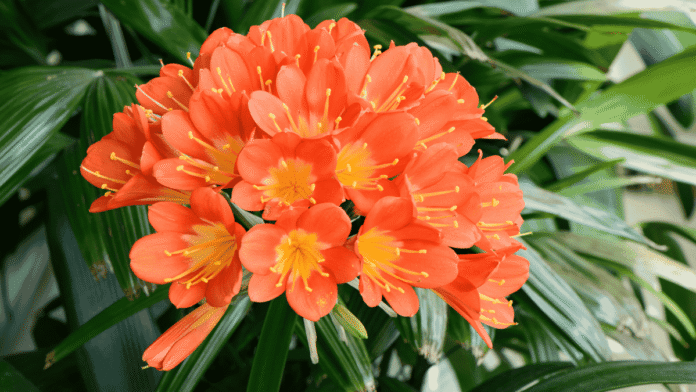
If you want your clivia (Clivia miniata), you don’t need any gardening training, just a little knowledge about its origins and requirements. The clivia – also known as strap leaf comes from South Africa and is one of the most popular flowering houseplants. With its strong, overhanging leaves and bright orange-red flowers, it adds tropical flair to your home all year round.

This is the right location

For your clivia to thrive, it needs a bright spot without direct sunlight. It is best to place it in an east or west-facing window. In summer, it loves fresh air – a balcony or terrace are ideal summer quarters. But beware: during flowering, the clivia does not like changing locations. Mark the pot so that you can realign it exactly every time you put it back. This way you avoid flower drop.

Substrate and pot

Don’t skimp on the substrate: Use a nutrient-rich, loamy and well-drained soil with a pH value of around 6. A small, heavy pot prevents the clivia from tipping over – because its fleshy roots grow vigorously in width. Repotting is only necessary every three to four years when the roots reach the soil surface. Be particularly careful not to damage the delicate roots.

If you follow a few simple care instructions, your clivia will reward you with lush flowers. Credit: manfredkoch – stock.adobe.com

Water and fertilize correctly

Keep the root ball evenly moist, but avoid waterlogging. In winter, give the plant a rest: water sparingly so that the root ball remains almost dry. From March, the clivia will enjoy more water again – and regular fertilizer applications. A liquid fertilizer every two weeks from spring to autumn is completely sufficient.

No flowering without a cold shock

Many hobby gardeners despair because their clivia simply won’t flower. The reason is simple: the plant needs a cold stimulus. From October, place them in a cool place with temperatures between 10 and 12 degrees for at least two months. This “winter rest” stimulates flower formation – and you will be rewarded with magnificent umbels in spring.

Klivie propagation made easy

After flowering, the clivia forms so-called sprouts – small daughter plants that you carefully separate when repotting. Place them in pots with a well-drained substrate and put them in a bright spot. After a few weeks, they will form their own roots – and you will soon have a new, flowering plant.


You may also be interested in these articles:


Caring for Klivie is worth it!

If you want to look after your clivia, the most important things are light, rest and the right soil. With a little patience and the necessary cold stimulus in winter, your clivia will reward you with bright flowers every year. And best of all, the clivia is robust, easy to care for and hardly ever sick. A perfect plant for anyone who loves beauty without stress.

Source: My beautiful garden

L’Évolution des Casinos en Ligne et leur Impact sur le Jeu

0

Les casinos en ligne ont connu une croissance exponentielle au cours de la dernière décennie, transformant le paysage du jeu. En 2023, le marché mondial des jeux en ligne a atteint une valeur de 70 milliards de dollars, avec une augmentation de 15 % par rapport à l’année précédente. Cette tendance est alimentée par l’accessibilité accrue et l’innovation technologique.

Un acteur clé dans ce domaine est le groupe Evolution Gaming, reconnu pour ses jeux de casino en direct. Leur plateforme permet aux joueurs de vivre une expérience immersive depuis chez eux. Pour en savoir plus sur leurs offres, vous pouvez consulter leur site officiel. En 2022, Evolution a remporté le prix du meilleur fournisseur de jeux de casino en direct lors des Global Gaming Awards.

Les casinos en ligne proposent également des promotions attractives pour attirer de nouveaux joueurs. Par exemple, de nombreux sites offrent des bonus de bienvenue pouvant atteindre 200 % du premier dépôt. Cependant, il est essentiel de lire les conditions générales, car ces offres peuvent être assorties de conditions de mise strictes. Pour des conseils sur les bonus de casino, visitez cet article du New York Times.

En outre, la sécurité est une préoccupation majeure pour les joueurs en ligne. Les casinos réputés utilisent des technologies de cryptage avancées pour protéger les données personnelles et financières des utilisateurs. Il est recommandé de choisir des plateformes qui détiennent une licence valide, garantissant ainsi un environnement de jeu sûr et équitable. Pour explorer davantage sur la sécurité des jeux en ligne, consultez Casino en ligne le plus payant.

Enfin, il est crucial de jouer de manière responsable. Les casinos en ligne offrent des outils pour aider les joueurs à gérer leur budget, comme des limites de dépôt et des options d’auto-exclusion. En 2024, la Commission des jeux du Royaume-Uni a renforcé les réglementations pour promouvoir le jeu responsable, soulignant l’importance de la protection des joueurs dans cette industrie en pleine expansion.

Pests: Why you should act immediately if you notice small whiteflies in your home

0

Hobby gardeners have to protect their beloved plants from various pests all year round. Fungus gnats and aphids are particularly common. But there are also small whiteflies that infest your houseplants, herbs or vegetable plants. Find out what you need to know about the so-called moth scale insect and how to combat it.

Recognize moth scale insects

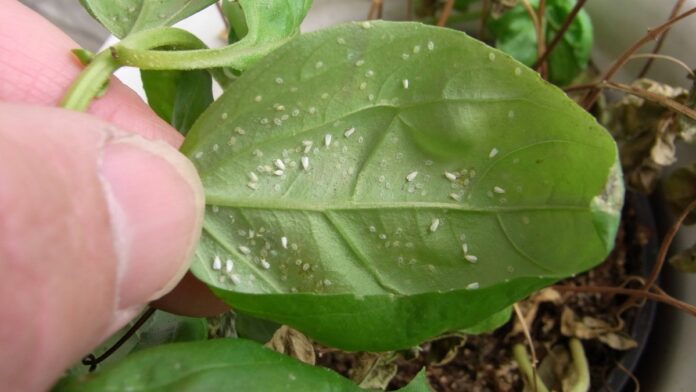
The small white flies are closely related to aphids and scale insects and have nothing to do with the classic fly. A distinction is made between the greenhouse moth scale and the cotton moth scale. Both species occur mainly in greenhouses or indoors, but in rare cases also outdoors, e.g. on balconies. The aphids are 2 to 3 mm in size – with their milky white wings, the females resemble moths, which is where the name comes from.

Moth scale: How to control the pest. Credit: IMAGO / Zoonar

Both the larvae and adult moth scale insects damage your plants through their sucking activities. This also transmits viruses. In addition, the pests excrete honeydew, which makes your plants susceptible to fungal infestation. Yellow, falling leaves, growth disorders and fruit deformities are the result.

Which plants are particularly at risk?

The following plants are considered particularly endangered:

  • Basil and other herbs (also in the home)
  • Money tree
  • Tomatoes
  • Cucumbers
  • Beans
  • Cabbage
  • Fuchsias
  • Gerbera
  • Geraniums

The insects can only survive for a short time at temperatures around freezing point. However, they find optimal living conditions in the greenhouse, in the home or anywhere where high temperatures prevail. Incidentally, the females lay up to 400 eggs in their short, four-week life. These are elongated-oval and white to yellowish-green in color. Especially in warm places, the small whiteflies have the ideal conditions to multiply rapidly. All the more reason to combat them as quickly as possible.


You may also be interested in these articles:


Fighting small whiteflies

The first step, of course, is to prevent a pest infestation. Insect hotels in the garden and beneficial insects, such as ladybugs or spiders, can help you to keep the pests away. If necessary, you can strengthen your plants with tansy tea or nettle slurry. Also make sure to ventilate your home and greenhouse regularly and check your plants for pests from time to time. However, preventative measures are not always successful or you may bring the moth scale insects into your home, greenhouse or garden via newly purchased plants. Various methods have proven successful in combating the small whiteflies.

  • Yellow tablets 🛒 attract the pests. They stick to them and eventually die.
  • Rapeseed oil 🛒 or Neem products 🛒 are also suitable for controlling the moth scale insect. Make sure you also treat the underside of the leaves and repeat the application regularly. You should mix rapeseed oil with a little water before use.
  • Ichneumon wasps 🛒 are particularly helpful in the greenhouse or in the home to control pests.
  • Predatory bugs are also effective. It is best to give them grain moth eggs as food so that they do not accidentally damage your plants.
  • Certain plants, such as the poison berry or the Blue lantern flower effectively control the pests within a radius of six square meters. The little beasts die when they suck on these plants.
  • After successful pest control, it is advisable to change the substrate for houseplants.

Do without pesticides

The use of pesticides should really only be considered in an absolute emergency. Such products can cause considerable harm to the beneficial insects in your garden. First try the means and methods listed here to get rid of the small whiteflies for good. Good luck!

Source: meinschoenergarten

The links marked with the shopping cart 🛒 are affiliate links. The products are researched to the best of our authors’ knowledge and some are also recommended from personal experience. If you click on such an affiliate link and buy something through it, our editorial team will receive a small commission from the online store in question. For you as a user, the price does not change and there are no additional costs. The income helps us to offer you high-quality, entertaining journalism free of charge.
Fines: What you need to know about the use of organic waste garbage cans

0

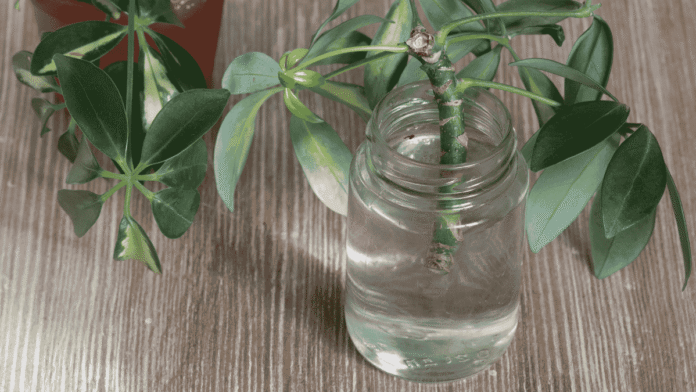
The introduction of the organic waste garbage can was a good idea for several reasons. The separately collected organic waste automatically produces compost – the perfect natural fertilizer. Valuable biogas can also be produced from the biowaste. According to the Federal Ministry for the Environment, biowaste accounts for around a third of all waste. So there is great green potential.

But here’s the big but: organic waste often contains non-recyclable materials, known as mis-waste. Glass jars with food scraps, plastic, baby diapers or cat litter often end up in organic waste by mistake. If the proportion in a batch is too high, the entire organic waste must be incinerated. This is not only harmful to the environment, but also expensive.

What’s behind the new organic waste garbage can law

From May 1, 2025, a law is therefore to provide a remedy. More precisely, the so-called “minor” amendment to the Biowaste Ordinance of 2022 is to be extended. The new regulation will initially have a direct impact on waste disposal companies. They are the ones who are in breach of the new law if too many of the aforementioned incorrect throws are made. Under the new law, they will soon be allowed to reject biowaste containing more than three percent foreign matter.

In other words, if the waste collection service discovers that you have separated your organic waste incorrectly or too uncleanly, they will in future simply leave your organic waste garbage can where it is – and only take it away once it has been properly separated. Not a pleasant task. And if you’re now thinking that nobody can check this properly anyway, then you’re unfortunately misinformed.

You could face these fines

Waste collection vehicles don’t just sift through your garbage can. Their vehicles also have special detectors that recognize metals in organic waste, for example. In such cases, the collection vehicle automatically blocks the garbage can from being emptied.

What definitely belongs in organic waste: fruit and vegetable scraps and eggshells. Credit: IMAGO / CHROMORANGE

It’s not just that the organic waste garbage can is left on your doorstep and causes a stench – the costs for disposal could also skyrocket. The fines for waste offenses vary depending on the municipality, but the law provides for penalties of up to 2,500 euros. To avoid this, you should find out exactly what you can and cannot put in your organic waste garbage can.


You may also be interested in these articles:


What belongs in the organic waste garbage can and what doesn’t

This waste is allowed in the organic waste garbage can, for example:

  • Vegetable waste
  • Leftover food (preferably wrapped in newspaper)
  • Fish, meat and food scraps (also spoiled)
  • Egg shells
  • dead plants and plant remains
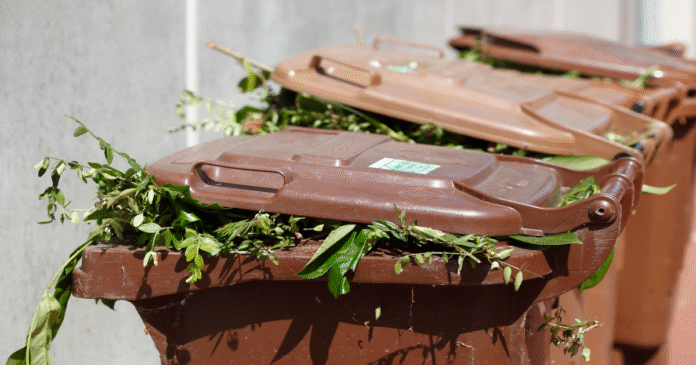
  • Flowers, leaves and grass clippings
  • Coffee grounds, used filters and tea bags

Plastic bags, coffee capsules, stones, jars with leftover food, packaged food, diapers or tampons, on the other hand, have no place there. It is also good to know that the regulations may vary slightly from region to region. Basically, however, the rules are similar everywhere.

Many local authorities also offer special bags for larger quantities of garden waste. If you live in an apartment building and are responsible for the garden, you should consider this offer. After all, the neighbors are usually less than pleased if they can no longer throw their organic waste in the garbage can because of the garden waste.

Source: myhomebook, t-online

Free Slots with Benefit and Free Rotates: An Overview to Optimizing your Slot Experience

0

Are you codigo promocional 1xbet a follower of on the internet slots? If so, you’re not alone. Slot games have actually become one of one of the most popular forms of on the internet betting, providing players the chance to have a good time and possibly win huge. Among one of the most attracting attributes

The Ultimate Overview to Online Casino Slots

0

Invite to the supreme guide to on the internet ga descargar 1xbetmbling enterprise ports! Whether you’re an experienced gamer or new to the globe of on the internet betting, this thorough short article will offer you with all the info you require to understand about gambling establishment slots. From their