
Huvudprinciper för ansvarsfullt spelande och dess betydelse

I en värld där underhållning och spelande blir alltmer tillgängligt, är det avgörande att spelare är medvetna om sina egna spelvanor. Genom att förstå och uppskatta de risker som är förenade med spel, kan individer optimera sin upplevelse och minimera potentiella negativa konsekvenser. En viktig aspekt av detta är att alltid utföra en noggrann riskbedömning av sina handlingar.
Det finns en rad verktyg för spelkontroll som kan hjälpa spelare att hålla sig inom sina gränser. Detta kan inkludera att sätta upp spelgränser och budgetering av spelande, vilket skapar en mer hållbar spelupplevelse. En metod som många väljer är självutstängning, vilket ger möjligheten att pausa spelandet under en viss tid om behovet av återhämtning känns nödvändigt.
Att spela med måttfullhet är centralt för att undvika problematiskt spelande. Därför är det alltid bra att söka stöd från stödorganisationer eller använda resurser på nätet som kan vägleda i strävan efter en säkrare spelmiljö. Genom att vara medveten om sina egna begränsningar och aktivt arbeta för att “spela inom sina gränser”, ges spelarna en större chans att maximera nöjet i sitt spelande utan att riskera att hamna i en oönskad situation. Mer information om detta kan hittas här: casino online.
Att sätta en spelbudget och hålla sig till den
Att skapa en spelbudget är ett av de mest effektiva verktygen för spelkontroll. Genom att fastställa en tydlig gräns för hur mycket pengar och tid man är villig att spendera, kan spelare säkerställa att de spelar inom sina gränser. Det handlar inte bara om att skydda sina finanser, utan även om att förhindra negativa känslor som kan uppstå vid överdrivet spelande.
Det är viktigt att vara medveten om sina spelvanor och att ständigt göra en riskbedömning av sina insatser. En spelbudget bör reflektera ens personliga ekonomiska situation och livsstil. Om spelandet börjar påverka andra delar av livet negativt, kan det vara tecken på att man behöver justera sin budget.
Skapa en spelbudget som inte bara omfattar vad du har råd att förlora men också hur mycket du faktiskt njuter av spelande. Måttfullhet är nyckeln här; att sätta en budget innebär inte att helt avstå från nöje, utan att balansera det på ett ansvarsfullt sätt.
Stödorganisationer erbjuder resurser och information som kan hjälpa spelare att hålla sig till sina spelgränser. Det är en god idé att vara medveten om vilka resurser som finns tillgängliga och att inte tveka att nå ut för hjälp om man känner att situationen kan bli ohanterlig.
Det kan också vara bra att tänka på självutstängning. Många plattformar erbjuder alternativ där spelare kan stänga av sig själva under en viss period. Detta fungerar som ett bra skydd och ger individer tid att reflektera över sina spelvanor och behov.
En viktig del av att sätta en spelbudget är att göra det till en regelbunden vana. Genom att utvärdera sin budget varje månad kan spelare justera sina gränser i enlighet med förändringar i sin ekonomi eller livssituation. Det handlar om att vara proaktiv i sitt spelande.
Att diskutera med vänner eller familj om sina spelvanor kan också ge värdefull insikt. Ibland kan andra se saker som man själv missar, och en extern åsikt kan vara avgörande för att hålla sig på rätt spår när det kommer till spelkostnader.
Sammanfattningsvis handlar det om att sätta spelgränser och vara medveten om sin egen ekonomiska situation för att säkerställa en hälsosam relation till spel. Genom att använda olika verktyg för spelkontroll och vara ärlig mot sig själv, kan man njuta av spelande utan att det leder till negativa konsekvenser.
Verktyg för att övervaka spelvanor
Att ha kontroll över sitt spelande är en grundläggande del av en säker och trygg spelupplevelse. En del av detta handlar om att sätta spelgränser för sig själv, vilket kan innebära att man definierar hur mycket tid och pengar man är villig att spendera. Genom att fastställa tydliga gränser kan spelare undvika att överskrida sina egna begränsningar.
Måttfullhet är en nyckelfaktor när det gäller att hantera sina spelvanor. Att spela inom sina gränser innebär att man är medveten om sina egna impulsiva beteenden och aktivt arbetar för att hålla dem i schack. Verktyg som budgetering kan hjälpa spelare att fördela sina resurser på ett ansvarsfullt sätt.
Självutstängning är ytterligare en åtgärd som många spelare kan ta till. Det innebär att man temporärt eller permanent utesluter sig själv från att spela, vilket kan vara ett kraftfullt verktyg för dem som upplever att deras spelande börjar påverka deras liv negativt.
Att analysera sina spelvanor kan vara en nyttig övning. En riskbedömning kan bidra till att identifiera mönster, såsom frekvens och summa på insatser, vilket i sin tur kan hjälpa till att göra mer informerade val. Många plattformar erbjuder verktyg för att spåra och förstå dessa beteenden.
Det finns även stödorganisationer som erbjuder resurser och hjälp för dem som kämpar med att kontrollera sina spelvanor. Genom att söka hjälp kan spelare få bättre förståelse för sina beteenden och lära sig mer om hur man kan hantera dem på ett framgångsrikt sätt.
Flera spelplatser har integrerat funktioner för att hjälpa användare att övervaka och reflektera över sitt spelande. Att vara medveten om sina begränsningar och aktivt använda tillgängliga verktyg kan göra stor skillnad i spelupplevelsen.
Genom att engagera sig i dessa metoder och använda verktygen som finns är det möjligt att njuta av spel utan att riskera sin hälsa eller ekonomi. Det handlar om att bevara balansen och alltid prioritera säkerhet i spelandet.
Avslutningsvis är det viktigt att komma ihåg att ansvarsfullt spelande är en personlig resa. Med de rätta verktygen kan spelare skapa en sund relation till spel, vilket gynnar både deras nöje och välbefinnande.
Uppskatta tid och frekvens av spelande
Att hålla koll på hur mycket tid och hur ofta man ägnar sig åt spel kan ha en avgörande betydelse för att säkerställa en balanserad och trygg upplevelse. Genom att vara medveten om sina spelvanor kan man enklare identifiera potentiella risker och anpassa sitt beteende för att undvika negativa konsekvenser.
Riskbedömning är en viktig aspekt av medvetet spelande. Genom att reflektera över sina egna spelvanor kan individen sätta gränser och skapa en mer kontrollerad miljö. Att sätta upp spelgränser är ett verktyg som möjliggör detta, och gör att spelaren kan hålla sig inom sina egna ramar.
- Identifiera hur mycket tid som spenderas på spelande varje vecka.
- Skapa en plan för att begränsa speltiden.
- Var uppmärksam på känslor och beteenden kopplade till spel.
Skulle du upptäcka att du spelar mer än du tänkt, kan självutstängning vara ett alternativ. Detta innebär att du medvetet väljer att ta en paus från spel för att utvärdera din situation och återfå kontrollen. Stödorganisationer kan även vara en resurs för att få hjälp och råd om hur man kan hantera spelbeteende.
Måttfullhet är nyckeln till att njuta av spel i en trygg miljö. Det handlar om att finna en balans och att inte överskrida sina egna begränsningar. För att göra detta effektivt är det viktigt att regelbundet utvärdera sina spelvanor och vara öppen för förändringar.
Att spela inom sina gränser bidrar till en mer hållbar och njutbar upplevelse. Genom att använda olika verktyg för spelkontroll kan spelare säkerställa att deras tid och pengar används på ett ansvarsfullt sätt. Att sätta personliga mål och följa upp sin utveckling är en bra metod för att förstå och förbättra sitt spelande.
Sammanfattningsvis är det avgörande att uppskatta hur mycket tid och frekvens som spenderas på spel. Genom att vara medveten om sina handlingar, sätta gränser och söka stöd kan man skapa en trygg och balanserad spelupplevelse. Detta i sin tur bidrar till att maximera glädjen och minimera risken för negativa effekter.
Frågor och svar:
Vad innebär ansvarsfullt spelande?
Ansvarsfullt spelande handlar om att spela på ett sätt som är säkert och kontrollerat. Det inkluderar att sätta upp begränsningar för hur mycket tid och pengar man spenderar på spel. Målet är att undvika spelberoende och att säkerställa att spelandet förblir en underhållande aktivitet snarare än en källa till stress eller ekonomiska problem.
Vilka metoder finns det för att spela ansvarsfullt?
Det finns flera metoder för att säkerställa ansvarsfullt spelande. En vanlig metod är att sätta en budget och hålla sig till den för att undvika att spendera mer än man har råd med. Många spelplattformar erbjuder också verktyg för att sätta tidsgränser för spelande, samt alternativ för självexkludering om man känner att man behöver ta en paus. Dessutom är det bra att informera sig om risktecken på spelproblem.
Hur kan casinooperatörer främja ansvarsfullt spelande?
Casinooperatörer kan spela en aktiv roll i att främja ansvarsfullt spelande genom att implementera utbildningsprogram och erbjuda resurser som hjälper spelare att förstå riskerna med spelande. De kan också erbjuda verktyg och funktioner som gör det möjligt för spelare att sätta egna gränser, såsom insättnings- eller spelgränser, och genom att ha tydliga riktlinjer om ansvarsfullt spelande på sina plattformar.
Vilka tecken kan indikera att någon spelar oansvarigt?
Tecken på oansvarigt spelande kan inkludera att man spelar mer än man har råd med, att man lånar pengar för att spela, att man känner sig stressad eller ångestfylld över sitt spelande, eller att man undviker sociala aktiviteter för att spela. Om spelandet börjar påverka ens arbete eller relationer kan det också vara en varningssignal. Det är viktigt att vara medveten om dessa tecken och söka hjälp om det behövs.
online healthcare business for sale

The online healthcare sector continues to expand rapidly as digital innovations reshape the medical landscape. The growing demand for telemedicine, electronic health records, and remote patient monitoring services is driving a vibrant market for healthcare businesses available for acquisition. Investors and entrepreneurs are increasingly drawn to online healthcare business opportunities that offer scalable, tech-driven solutions to pressing health challenges, while capitalizing on the immense potential of digital transformation. Platforms such as HealthNetMarket, MediTradeOnline, and VirtualClinicSales have surfaced as critical marketplaces where buyers can find diverse healthcare entities ranging from telehealth practices to digital wellness platforms, opening new avenues for investment that blend healthcare expertise with advanced technology.
This surge in online healthcare enterprises reflects broader trends towards convenient, accessible care and digital wellness. For budding investors, understanding the multifaceted dynamics of the industry is essential to making informed decisions. The online healthcare business landscape offers various models, including subscription-based telemedicine services, online pharmacies, digital mental health platforms, and virtual diagnostic tools. Each segment presents unique opportunities and challenges related to regulatory compliance, technology integration, patient engagement, and market competition. Considering the continual evolution of healthcare digitization, choosing the right business requires comprehensive analysis of growth potential, operational risks, and technological robustness. Resources like eHealthBusinessHub and TelemedExchange provide invaluable data, enabling investors to navigate this complex ecosystem with informed confidence.
Exploring Diverse Types of Online Healthcare Businesses for Sale to Match Investment Goals
The diversity within the online healthcare sector allows investors to align acquisitions with specific strategic objectives. Opportunities span from traditional telemedicine clinics expanding their virtual reach to niche specialty platforms addressing mental health, chronic disease management, or eldercare. Each type of business requires distinct operational, marketing, and technological expertise but shares the common benefit of tapping into an expanding patient base leveraging digital access.
Consider, for example, the growing class of virtual clinics providing comprehensive primary care, which have evolved into robust enterprises listed on platforms like VirtualClinicSales and ClinicMarketplace. These businesses offer significant scalability through subscription models and integrated care pathways. Alternatively, platforms focused on wearable health devices and personalized wellness, trading on sites such as DigitalMedicalAssets and CarePlatformSales, capitalize on consumer interest in proactive health management.
Understanding each subtype’s revenue model and patient engagement strategies is crucial:
- Subscription Telehealth Services: Often provide 24/7 access to licensed practitioners via video calls, generating steady monthly income.
- Online Pharmacies: Benefit from prescription fulfillment and ancillary product sales, with built-in customer loyalty.
- Mental Health Platforms: Leverage anonymous consultations and mobile app delivery for broad accessibility.
- Chronic Care Management: Combine remote monitoring with personalized health plans for high patient retention.
Analyzing financials and market positioning with data from HealthTechForSale and OnlineWellnessDeals can reveal promising ventures close to profitability or with established cash flow streams. Investors should carefully assess user demographics, technology stacks, and regulatory compliance status. Interactive dashboards on sites like eHealthBusinessHub provide snapshots of key operational metrics, enabling evidence-driven acquisition decisions.
| Business Type | Revenue Model | Growth Potential | Challenges |
|---|---|---|---|
| Subscription Telehealth | Recurring payments | High scalability | Maintaining care quality |
| Online Pharmacy | Transactional sales | Growing e-commerce | Regulatory hurdles |
| Mental Health Platform | Usage-based billing | Rising demand | Data privacy concerns |
| Chronic Care Management | Long-term contracts | Patient retention | Tech integration |

Technology and Compliance: Navigating Key Challenges in Online Healthcare Business Sales
Acquiring an online healthcare business requires more than a financial assessment; the complex interplay between technological infrastructure and healthcare regulations demands specialist scrutiny. Platforms such as TelemedExchange and MediTradeOnline increasingly serve as hubs for transactions where detailed due diligence on software security, interoperability, and compliance with health privacy laws like HIPAA or GDPR is paramount.
Security frameworks protecting patient data are scrutinized by both buyers and regulatory bodies. Ensuring that the business operates on a modern, secure technology stack is critical to avoid breaches that could result in significant legal or reputational damages. Furthermore, the ability of platforms to seamlessly integrate with existing Electronic Health Record (EHR) systems demonstrates operational proficiency vital to healthcare workflows.
Beyond technology, navigating the regulatory landscape poses a considerable challenge due to varying laws by jurisdiction. Online businesses must be compliant with telehealth-specific licensing, prescribing rules, and data handling protocols. Platforms like HealthNetMarket actively provide sellers and buyers with the regulatory insights required for legal transaction completion, while brokers on ClinicMarketplace offer support services including legal audits and transfer of medical licenses.
- Technology Due Diligence: Verify cybersecurity measures, data encryption, and platform scalability.
- Regulatory Compliance: Assess adherence to regional telemedicine licensing laws and patient privacy standards.
- Operational Readiness: Confirm EHR integration and availability of clinical workflows.
| Aspect | Key Considerations | Risks if Neglected |
|---|---|---|
| Cybersecurity | End-to-end encryption, breach protocols | Data leaks, fines, brand damage |
| Licensing | Valid physician credentials, telemedicine laws | Legal sanctions, suspension |
| Interoperability | EHR compatibility, API availability | Operational inefficiency, patient dissatisfaction |
Market Trends 2025: Growth Drivers for Online Healthcare Business Investment
The year 2025 finds the online healthcare sector buoyed by transformative trends that shape investment dynamics. Increasing patient preference for remote consultations, explosion of digital diagnostic tools, and integration of AI and machine learning in patient management systems fuel accelerating market expansion. Entities listed by VirtualClinicSales and eHealthBusinessHub increasingly reflect these innovations, positioning themselves advantageously within evolving consumer demands.
One significant trend is the convergence of wellness and healthcare services, with businesses integrating holistic care approaches encompassing nutrition, mental health, and fitness coaching on single platforms. OnlineWellnessDeals highlights several businesses adopting this multifaceted approach to attract wider client bases and increase user engagement. Moreover, the rise of personalized medicine, including genetic and biomarker-based diagnostics, represents a frontier for digital healthcare companies.
- Remote Patient Monitoring: Devices transmitting real-time health data enable proactive care and reduce hospital visits.
- AI-Driven Diagnostics and Support: Enhances accuracy and efficiency in clinical decision-making.
- Integrated Wellness Platforms: Combine physical, mental, and nutritional health services for comprehensive management.
- Global Telehealth Expansion: Increasing cross-border healthcare services broadening market reach.
| Trend | Description | Impact on Investment |
|---|---|---|
| Remote Monitoring | Real-time tracking of chronic diseases | Higher patient retention, data monetization |
| Artificial Intelligence | Diagnostic accuracy improvement | Competitive edge, innovation premium |
| Wellness Integration | Holistic care models | Diversified revenue streams |
| Cross-Border Telehealth | International patient access | Expanded market size |
Strategies for Successful Acquisition of Online Healthcare Businesses in 2025
>Purchasing an online healthcare business demands a meticulously crafted strategy to maximize value extraction and ensure seamless transition. The first step involves exhaustive market research using resources such as CarePlatformSales and HealthTechForSale, enabling buyers to position themselves for negotiations armed with insights on competitor benchmarks and financial benchmarks.
Following market analysis, conducting thorough due diligence is essential. This includes scrutinizing not only financial records but also technology licenses, patient data security, and compliance history. Partnering with consultants well-versed in e-health transitions often mitigates risks and clarifies ambiguous regulatory requirements.
Post-acquisition integration strategies focus on staff training to adopt new technology platforms and patient communication models. Leveraging existing client databases through enhanced digital marketing can sustain and expand user engagement. Companies that fail to adapt during integration risk losing patient trust and business momentum.
- Leverage Market Data: Utilize online business sale platforms for competitive pricing intelligence.
- Perform Holistic Due Diligence: Technical, financial, and legal evaluation for risk mitigation.
- Plan Human Capital Integration: Training and aligning staff with new digital workflows.
- Focus on Retention and Growth: Engage customers via digital marketing and service expansion.
| Step | Action | Key Focus |
|---|---|---|
| Research | Use platforms like HealthNetMarket | Market position & pricing |
| Due Diligence | Audit tech, compliance, finance | Risk minimization |
| Integration | Staff training, system migration | Operational continuity |
| Growth | Digital marketing, retention | Customer base expansion |
Valuation Dynamics and Financial Insights When Buying Digital Healthcare Platforms
Determining the accurate value of an online healthcare business is intricate, influenced by multiple factors such as customer acquisition cost, lifetime value, technology assets, and recurring revenue streams. Buyers should utilize valuation benchmarks provided by eHealthBusinessHub and MediTradeOnline that reflect current market multiples driven by high demand for scalable, tech-enabled healthcare solutions.
Financial modeling should prioritize not only past performance but also forward-looking projections incorporating emerging market trends. For example, businesses integrating AI diagnostics or expanding cross-border telehealth services typically command premium valuations. Investors should also scrutinize cost structures, particularly technology maintenance and regulatory compliance expenses, which may impact profitability.
A frequently employed approach is the discounted cash flow (DCF) method, augmented by industry-specific comparative analysis. Meanwhile, platforms like HealthTechForSale furnish buyers and sellers with transparent analytics aiding negotiations and deal structuring. Sensitivity analyses assessing how regulatory changes or technological upgrades affect value are equally crucial for sound investment.
- Revenue Consistency and Growth: Evaluate recurring subscription income and trends.
- Technology Value: Proprietary software and integrations add substantial worth.
- Regulatory Risk: Compliance history influences risk premium adjustments.
- Market Position: Established brand and user base enhance valuation.
| Valuation Factor | Impact on Value | Consideration |
|---|---|---|
| Recurring Revenue | High | Stable cash flow |
| Technology Assets | Medium to High | Scalability potential |
| Regulatory Compliance | Medium | Risk mitigation |
| User Base | High | Market influence |
What essential metrics should be evaluated before buying an online healthcare business?
Key metrics include recurring revenue, customer acquisition cost, patient retention rates, technology robustness, and compliance adherence. Analyzing these factors ensures a comprehensive view of business health and growth potential.
How do online healthcare businesses ensure compliance with data protection laws?
They implement stringent cybersecurity protocols such as end-to-end encryption, conduct regular audits, and navigate jurisdiction-specific regulations like HIPAA in the U.S. or GDPR in the EU to protect patient information and maintain legal standing.
What are the challenges unique to acquiring a telemedicine service?
Challenges include managing cross-jurisdiction licensing, integrating various health IT systems, ensuring provider credential verifications, and dealing with rapidly evolving telehealth regulations that may impact service delivery.
Where can buyers find reliable online healthcare businesses for sale?
Marketplaces such as HealthNetMarket, VirtualClinicSales, MediTradeOnline, and eHealthBusinessHub provide extensive listings, confidential transaction support, and detailed business profiles to aid buyers in identifying suitable opportunities.
What trends will dominate the online healthcare business market in the next 5 years?
Key trends include expanded use of AI diagnostics, increased integration of wellness and medical care platforms, growth of remote patient monitoring, and broader adoption of cross-border telehealth services driven by technological advancements and patient preferences.
online business to sale

In the evolving landscape of the digital economy, online businesses represent a promising frontier for entrepreneurs, investors, and innovators alike. With the proliferation of platforms such as Shopify, WooCommerce, BigCommerce, and Magento, the accessibility to start, grow, and sell digital enterprises has surged dramatically. This dynamic ecosystem offers a plethora of opportunities, from e-commerce stores on Amazon and eBay to niche-specific websites hosted on Wix or Squarespace. The convenience of virtual storefronts, lower overhead costs, and scalability has made online businesses a coveted asset, prompting a booming marketplace filled with diverse ventures available for acquisition.
Across various regions, including thriving markets such as Australia, Canada, Dubai, Spain, Tasmania, and Florida, the demand for established online businesses is intensifying. This trend is fueled by the recognition that acquiring an already operational digital business can bypass the substantial risks and steep learning curves associated with building one from scratch. Buyers seek ventures with verified earnings, strong traffic, and scalable models, while sellers leverage platforms providing secure escrow transactions and expert transition support. Understanding how to navigate this marketplace effectively is vital for maximizing value and positioning oneself advantageously in 2025’s competitive digital marketplace.
Ultimately, the surge in online business sales echoes broader shifts in consumer behavior, technological advancements, and an ever-globalizing market. For someone curious about how to capitalize on these trends or diversify their portfolio, this exploration delves into the intricate details of buying, selling, and profiting from online businesses. It highlights essential considerations, popular niches, cost factors, and the strategic advantages that define this dynamic realm.
Key Takeaways:
- Online businesses present substantial opportunities due to low overheads, scalability, and diversified niches such as e-commerce, SaaS, and digital services.
- Popular platforms like Shopify, WooCommerce, and Amazon enable entrepreneurs to launch and grow ventures efficiently.
- Regions such as Australia, Canada, Dubai, and Spain have vibrant marketplaces supported by secure platforms facilitating online business sales.
- Valuating an online business accurately is critical and can be aided by tools like Flippa’s free valuation service.
- Successful transactions require careful due diligence on traffic, revenue, growth potential, and transition processes to ensure seamless ownership transfers.
How to Navigate and Buy an Online Business for Sale
The process of buying an online business in 2025 requires strategic consideration and meticulous research. The proliferation of verified listings on marketplaces like Profitable Business and Flippa offers buyers a vibrant registry of options that span e-commerce stores, SaaS platforms, content-driven sites, and subscription services. Buyer confidence hinges on transparency, verified financial metrics, and secure transaction frameworks supporting escrow services.
To begin, prospective buyers must explore curated listings that clearly outline monthly revenue, profit margins, and website traffic. For example, a luxury fashion e-commerce store priced at $125,000 may display monthly revenues exceeding $42,000 and profit margins around 35%, combining attractive growth potential with established customer bases.
Effective due diligence involves dissecting several components:
- Traffic Analysis: Evaluating monthly visitors and sources helps assess sustainability and growth prospects.
- Financial Verification: Confirming revenue streams, profit consistency, and expenses to estimate valuation.
- Market Niche Suitability: Understanding competitive landscape and demand dynamics in niches like health and wellness, AI marketing, or handmade goods.
- Operational Complexity: Assessing the level of effort required for maintenance, staffing needs, and inventory management.
After identifying a promising business, initiating contact with the seller through secure platforms facilitates an exchange of detailed information. This communication provides invaluable insights into customer retention, supplier relationships, and operational bottlenecks. Negotiation often leads to placing bids in transparent auctions, a process that balances competitive pricing with acquiring value.
Once the bidding concludes, secure escrow services ensure that funds and assets transfer smoothly. Compliance with legal documentation solidifies this ownership change, allowing the buyer to optimize and grow the acquired asset. Platforms provide transition specialists to support new owners during this critical phase.
| Step | Action | Purpose |
|---|---|---|
| 1 | Browse verified business listings | Identify potential businesses in suitable niches |
| 2 | Analyze traffic and financial data | Ensure sustainability and profitability |
| 3 | Contact sellers and request detailed information | Clarify operational details and business health |
| 4 | Place bids via auction platforms | Secure business at a competitive price |
| 5 | Complete transaction via escrow | Protect funds and validate ownership transfer |
| 6 | Work with transition specialists | Smooth transfer and onboarding |
Exploring this process reveals how buyers can enter a digital ecosystem primed for growth while minimizing traditional business acquisition risks. Tools and services facilitate these transactions across regions including Dubai, Tasmania, and Canada, ensuring global accessibility to profitable online ventures. Engaging with specialized marketplaces such as Profitable Business Dubai underscores the global appeal and geographic diversity of these opportunities.

Popular Platforms to Consider When Buying
Marketplaces and platforms greatly influence buyer experience and potential. Platforms such as Shopify and BigCommerce enable easy scalability of e-commerce businesses. WooCommerce and Magento offer more customizable options for digital storefronts, especially in niche markets. Marketplaces like Amazon, eBay, Etsy, and Weebly serve as channels for sellers leveraging existing infrastructures.
Each platform has distinctive advantages: Shopify excels in user-friendliness and growth tools, whereas Magento supports highly customized enterprise solutions. Etsy fosters artisanal and handmade product sales, illustrating how platform specialization aligns with market niche. Buyers should align acquisitions with platforms that suit their expertise, resources, and long-term vision.
Emerging Niches and Most Profitable Online Businesses to Sell
The digital economy offers rapidly expanding niches that promise attractive returns for investors or entrepreneurs looking to sell established businesses. Data points from recent market analyses highlight areas such as SaaS (Software as a Service), online education and courses, digital marketing agencies, and content publishing as dominant forces driving growth.
Popular and profitable niches include:
- Online Courses and Training Programs: Capitalizing on remote learning trends with sectors like technology training and personal development.
- Digital Asset Sales: Platforms trading NFTs and crypto-related assets fuel new revenue models.
- Content Creation and Blogging: Monetized blogs with high organic traffic generate advertising and affiliate marketing income.
- E-commerce with FBA Model: Amazon’s fulfillment by Amazon (FBA) business model eases logistics, allowing sellers to focus on marketing and branding.
When considering the fastest-growing online business sectors, industries like proptech, alternative finance (including decentralized finance or DeFi), and streaming services emerge as notable contenders. These tend to combine disruptive technologies with clear market demand, optimizing the trajectory for sellers seeking lucrative exits.
| Business Type | Growth Factor | Example Platform | Revenue Potential |
|---|---|---|---|
| Online Education | Remote learning demand | Teachable, Kajabi | High recurring revenue |
| SaaS Solutions | Automation & efficiency | Salesforce, HubSpot | Subscription-based growth |
| Content Publishing | Advertising & affiliates | WordPress, Wix | Variable growth |
| E-commerce (FBA) | Logistics outsourcing | Amazon | Scalable profits |
For sellers, presenting a clear value proposition emphasizing strong monthly traffic, steady cash flow, and scalable infrastructure on platforms like Shopify or BigCommerce can enhance sale prospects. Buyers are increasingly discerning, evaluating profitability alongside ease of management.
Costs, Pricing Strategies and Valuing Online Businesses for Sale
Understanding how much an online business costs to buy is fundamental for buyers and sellers to make informed decisions. The price reflects multiple factors — revenue, profit margins, growth prospects, market niche, and operational complexity. For example, buying a small e-commerce store involving platforms such as WooCommerce or Squarespace requires considering initial development costs, ongoing marketing budgets, and customer acquisition expenses.
To navigate this complex pricing landscape:
- Valuation Tools: Utilize free business valuation calculators from marketplaces like Flippa to estimate market value accurately.
- Comparative Analysis: Benchmark target businesses against similar listings to understand typical price ranges.
- Profit Multiples: Businesses often sell for a multiple of their annual net profit, typically ranging from 2x to 4x depending on sector.
- Cost of Acquisition: Consider additional costs for legal fees, due diligence, website maintenance, and technology upgrades post-purchase.
For sellers aiming to maximize sale value, maintaining transparent financial records and showcasing consistent revenue streams through trusted platforms fosters buyer trust.
| Business Size | Typical Cost Range | Common Valuation Multiples | Additional Costs |
|---|---|---|---|
| Small (Startup to 50k annual revenue) | $5,000 – $50,000 | 2x – 3x net profit | Legal, marketing, platform fees |
| Medium (50k to 500k annual revenue) | $50,000 – $500,000 | 3x – 4x net profit | Due diligence, transition costs |
| Large ($500k+ annual revenue) | $500,000+ | 4x+ net profit | Comprehensive examination, legal, escrow |
In a marketplace with robust activity in regions like Australia and Canada, transparency and rigorous valuation drive competition and ensure transactions align with current market realities. Strategic pricing, backed by detailed analytics and platform support, optimizes sale completion speed and profitability for all parties.
Effective Strategies to Promote and Sell Your Online Business
Marketing an online business for sale is pivotal to attracting qualified buyers and achieving optimal sale price. In 2025, digital promotion strategies leverage SEO, social media, and marketplace endorsements to elevate visibility among targeted investors.
Key marketing strategies include:
- SEO Optimization: Enhancing website visibility through strategic keywords related to platforms like Shopify, BigCommerce, and WooCommerce.
- Social Media Campaigns: Engaging potential buyers using LinkedIn and industry-specific forums.
- Leveraging Marketplaces: Listing with verified platforms such as Profitable Business provides credibility and a ready audience of vetted buyers.
- Transparent Financial Reporting: Presenting clear metrics to assure prospective buyers of business stability and growth potential.
- Professional Presentation: High-quality screenshots, video tours, and detailed business prospectuses improve buyer confidence.
Incorporating a succinct, data-backed biography of the business’ history, customer demographics, and operational model strengthens buyer trust considerably.
Ultimately, a strategically promoted online business reflects professionalism, reliability, and potential return on investment, accelerating transaction timelines and maximizing sale value.
Enabling Seamless Transition and Growth Post Sale
Upon acquisition, ensuring a smooth transition is crucial for maintaining business momentum. Buyers inherit not only digital assets but also customer relationships, supplier contacts, and operational frameworks. The opportunity lies in enhancing these foundations with fresh strategies and technology upgrades.
Transition support offered by specialized platforms eases the changeover, providing:
- Asset Transfer Assistance: Handling domain names, hosting, social accounts, and software licenses.
- Training and Documentation: Detailed operational manuals and personal handoffs from sellers.
- Customer Retention Strategies: Communication plans to reassure customers regarding ownership changes.
- Marketing Refresh: Up-to-date SEO techniques and social media campaigns to boost growth.
Successful navigation of this phase can accelerate growth trajectories, turning an online store or SaaS platform acquired through marketplaces into a thriving entity. Keeping costs low initially through platforms like Wix or Weebly helps preserve cash flow as new owners deploy their vision.
| Transition Aspect | Importance | Best Practices |
|---|---|---|
| Technical Asset Transfer | Critical for uninterrupted service | Use escrow and documented handover procedures |
| Operational Training | Ensures business continuity | Comprehensive guides and seller onboarding |
| Customer Communication | Maintains trust and loyalty | Clear announcements and support availability |
| Marketing Enhancement | Drives growth post-sale | Regular SEO audits and social strategy updates |
Online business buyers that invest time in detailed transition strategies are poised to harness the full potential of their acquisitions, generating sustainable cash flow while adapting to evolving market demands.
What is the easiest online business to start?
E-commerce businesses, especially those leveraging platforms like Shopify, WooCommerce, or Etsy, rank among the easiest to start. They offer low initial costs, scalability, and the flexibility to operate from home.
How do I properly value an online business for sale?
Valuing an online business involves analyzing revenue, profit margins, growth potential, traffic analytics, and using online valuation tools such as those offered by Flippa to determine a fair price range.
Which niches in online businesses are growing fastest in 2025?
Fastest growing niches in 2025 include SaaS products, online education, digital asset sales, e-commerce with FBA models, and emerging tech sectors like proptech and decentralized finance.
Are online stores profitable in the long term?
Online stores can be highly profitable long-term, provided they maintain steady marketing, adapt to trends, manage cash flow effectively, and continually optimize their SEO and customer engagement strategies.
How can I secure my investment when purchasing an online business?
Using verified listings, escrow services, and professional legal support ensures secure transactions and reduces risks in online business acquisitions.
small business online for sale

Small businesses available online for sale have become vibrant opportunities within the digital economy, appealing to entrepreneurs seeking scalable, low-overhead ventures. The transition to online business acquisition in 2025 is marked by a growing marketplace brimming with diverse models, from e-commerce startups to SaaS providers. As digital tools advance, buyers gain instant access to performance metrics, negotiated deals, and escrow services, facilitating seamless ownership transfers. Platforms like BizBuySell, Flippa, and Shopify Exchange lead the charge, guiding buyers through vetted listings with transparency and confidence. Each digital storefront carries unique dynamics shaped by consumer trends, technology integration, and competitive positioning.
In brief, the crucial points when exploring small businesses online for sale include:
- Trustworthy marketplaces such as Empire Flippers and FE International offer verified listings with essential financial transparency.
- Business metrics accessibility allows potential buyers to assess real-time revenue, customer acquisition, and churn rates for informed decisions.
- Diverse industry options range from online education platforms to niche dropshipping stores, catering to varying entrepreneurial interests.
- Streamlined purchase processes with automated documents, NDAs, and integrated escrow services minimize the complexities of transactions.
- Accessible financing options through SBA programs and other lenders make acquiring online businesses more feasible.
Exploring Popular Online Marketplaces for Small Business Sales
The marketplace for small businesses online for sale is rich and multifaceted, offering everything from boutique e-commerce shops to SaaS companies. Platforms such as BizBuySell, Flippa, Shopify Exchange, Empire Flippers, FE International, SideProjectors, MicroAcquire, WebsiteBroker, Digital Exits, and Tiny Acquisitions form the foundation of this ecosystem. Each platform caters to specific niches, price points, and buyer profiles, creating a comprehensive network of opportunities.
BizBuySell, often called the original business-for-sale website, provides extensive listings with clear revenue and profit details, making it ideal for buyers seeking verified metrics. Flippa specializes in smaller online ventures and domains, perfect for first-time purchasers or those looking for diverse options in blogging, SaaS, or content websites. Shopify Exchange is the go-to marketplace for Shopify store owners wishing to both buy and sell their online stores with detailed analytics.
Empire Flippers and FE International cater to mid and high-tier digital businesses, with a strong focus on SaaS, e-commerce, and subscription models. Their vetting process offers buyers additional security and insight into operational performance. SideProjectors specializes in smaller tech projects and SaaS platforms that require minimal overhead, supporting buyers interested in hands-on development opportunities. MicroAcquire’s marketplace is built for startup acquisitions, focusing on direct founder connections and ease of transaction.
A practical comparison highlights key features and fees associated with these marketplaces:
| Marketplace | Business Types | Listing Fees | Buyer Fees | Vetting Level |
|---|---|---|---|---|
| BizBuySell | All small businesses | Varies | None | Basic |
| Flippa | Online businesses, domains, apps | Starting at $9 | Up to 10% | Moderate |
| Shopify Exchange | Shopify stores | Free listing | 5% sales fee | Basic to Moderate |
| Empire Flippers | SaaS, e-commerce, info sites | Varies | Up to 15% | High |
| FE International | Mid-market SaaS and e-commerce | Custom | 10%-15% | High |
Business buyers in multiple regions, including the United Kingdom, Canada, and Australia, benefit from platforms like BizBuySell that cater to localized business sales with listings such as UK online business sale, Montreal online business sale, or business sale Australia 10,000. These regional nuances factor into valuations, legal requirements, and market potentials, influencing buyer decisions heavily.
Buyers should also note the integration of time-saving technologies: auto-generated LOIs (Letters of Intent), NDA automation for quick access to sensitive data, and escrow services for secure payments ensure the acquisition process is smooth and trust-based. Such features empower new entrepreneurs and seasoned investors alike, reducing the friction traditionally associated with business transactions online.
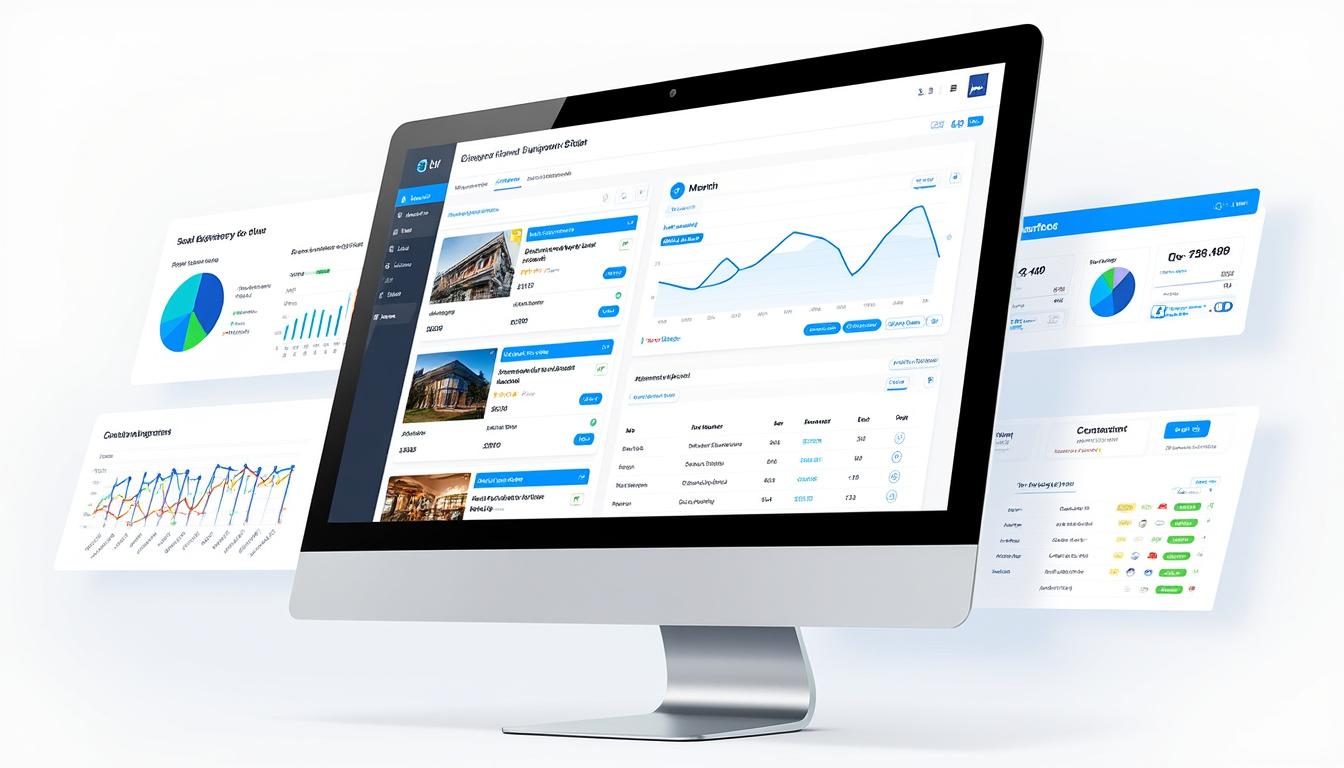
Specialized Marketplaces and Niche Business Opportunities
Niche marketplaces like SideProjectors and Tiny Acquisitions offer distinct opportunities for acquiring specialized projects or smaller-scale online enterprises. SideProjectors excels in facilitating deals for early-stage SaaS and app businesses, encouraging collaboration between founders and prospective buyers.
The emphasis on niches such as online hair product sales, digital content businesses, and low-maintenance e-commerce sites reflects growing consumer trends. For instance, online hair businesses offer compelling proposals due to their loyal customer bases and expanding digital appeal. Listings on sites like online hair business sale showcase entrepreneurial ventures ripe for acquisition.
Furthermore, buyers eyeing steady income streams find value in content websites and streaming services, which capture audiences through subscriptions and advertising. The ability to purchase a well-ranked informational website or niche blog simplifies entry into the online revenue sector.
These niche-focused listings often feature:
- Clear growth potential based on existing customer data.
- Minimal operational overhead, ideal for remote management.
- Innovative business models like dropshipping or membership-based communities.
- Integration-ready platforms for immediate scaling.
Exploring these niche offerings on platforms such as MicroAcquire or Digital Exits can lead to attractive opportunities that may escape broader marketplace attention. For example, acquiring a subscription-based educational platform can serve both regional and global clientele, amplifying revenue streams through digital course sales and licensing.
Key Factors When Buying Small Online Businesses for Sale
Understanding what to scrutinize when buying an online business is paramount to ensuring a profitable acquisition. Unlike starting from scratch, purchasing an operational business includes taking charge of its reputation, customer base, and digital assets.
Potential buyers must investigate the consistency of monthly traffic, revenue trends, profit margins, and operational efficiency. Equally important are technical aspects such as website stability, SEO rankings, and the state of supply chains for e-commerce businesses.
Investigation steps include:
- Thoroughly reviewing financial documents to verify past and current revenue and profits.
- Analyzing customer acquisition costs and churn metrics to gauge growth potential.
- Assessing the competitive landscape to understand market positioning.
- Ensuring the availability of necessary legal documents and compliance certificates.
Buyers often utilize valuation tools, like the one offered by Flippa, to estimate a fair purchase price considering multiples of earnings or revenue. It’s essential to consider intangible assets such as trademarks, social media presence, and proprietary technology that can influence business worth substantially.
Moreover, online small business transactions benefit from escrow services, which hold funds securely until all contractual obligations are met. This safeguards both parties and fosters trust during the transition.
| Due Diligence Element | Key Considerations | Impact on Acquisition |
|---|---|---|
| Financial Health | Revenue growth, profit margins, expenses | Determines valuation and investment return |
| Traffic Analytics | Consistent visitor count, source diversity | Indicates sustainability and marketing effectiveness |
| Legal Standing | Licenses, copyrights, seller authenticity | Prevents future legal disputes and liabilities |
| Operational Systems | Automation, fulfillment, customer service | Affects ongoing management workload and cost |
Acquiring a business that aligns well with the buyer’s skills and interests increases the likelihood of successful ownership. This makes marketplace filtering tools that sort by industry, price, revenue, and profit especially valuable.
Financial and Operational Integration Post-Acquisition
Once acquisition is complete, managing turnover smoothly is critical. Buyers should prioritize integrating accounting systems and evaluating marketing strategies inherited with the business. For example, if an e-commerce site uses Amazon Associates FBA, optimizing inventory management and supplier contracts can enhance profitability significantly.
Post-acquisition plans include:
- Updating or expanding digital marketing initiatives.
- Implementing leaner operational processes to reduce overhead.
- Exploring cross-selling and upselling opportunities within existing customers.
- Investing in SEO and content strategies to boost organic traffic.
Emerging Trends in Small Online Businesses for Sale
The landscape of online business sales continues evolving, driven by technological advances and shifting consumer behavior. Fastest-growing sectors include SaaS (Software as a Service), educational platforms, on-demand services, alternative finance technologies like NFTs and decentralized finance (DeFi), and proptech innovations.
According to market observations from 2025, businesses offering digital assets, online courses, and freelance writing or content services show notable upward trajectories, bolstered by demand for remote work and virtual learning.
Entrepreneurs should watch closely as e-commerce strategies evolve, with increased emphasis on sustainability and local sourcing. Platforms facilitating mergers and acquisitions in these areas—such as Empire Flippers and Digital Exits—provide insights and deals aligned with these market shifts.
Fastest growing online business models include:
- Subscription-based SaaS tools tailored for automation and analytics.
- Online tutoring and certification courses leveraging scalable video content.
- Eco-conscious e-commerce selling customized and artisanal products.
- Crypto and NFT marketplaces engaging collectors and traders.
| Industry Sector | Growth Driver | Buyer Appeal |
|---|---|---|
| SaaS | Automation demand, flexible subscriptions | Recurring revenue, scalable customer base |
| Online Education | Remote learning trend, certification needs | High margins, global reach |
| Eco-friendly E-commerce | Consumer sustainability awareness | Loyal niche communities, growing sales |
| Alternative Finance | Innovation in DeFi, NFTs popularity | High growth potential, emerging markets |
How to Start and Grow Your Small Online Business from Scratch
Beginning an online business from zero requires thoughtful planning, including identifying a viable niche and understanding your target market. Aspiring owners often consider ventures such as dropshipping, freelance content writing, or customized products as accessible paths with lower entry barriers.
Key steps involve:
- Researching niche demand and competitor activity.
- Developing an SEO-optimized website using platforms like Shopify or WooCommerce.
- Building a digital marketing strategy incorporating social media and Google Analytics insights.
- Creating engaging content and harnessing email campaigns to grow audiences.
- Ensuring the technical infrastructure includes secure hosting, SSL certificates, and mobile-responsive design.
Starting an online store with minimal initial investment is feasible by leveraging print-on-demand services, dropshipping models, or selling digital goods which require no inventory. As revenue builds, reinvesting into advertising and product development fosters growth.
For those open to acquisition, buying an established online business may offer immediate profits and an established customer base. Indeed, marketplaces like digital business for sale list ventures ready for takeover that span various price ranges and business models.
Taking inspiration from cosmology, one might liken a small online business’s growth trajectory to that of cosmic structures—starting from a singularity of an idea and expanding into a broad, structured enterprise governed by underlying principles and competitive forces.
| Startup Method | Estimated Cost | Time to Launch | Scalability |
|---|---|---|---|
| Dropshipping | Low ($500-$1,500) | 1-2 months | Moderate to High |
| Print-on-Demand | Very Low ($100-$500) | 1 month | Moderate |
| Freelance Content Creation | Minimal ($50-$200) | Few weeks | Variable |
| Buying Established Business | Variable ($10,000 and up) | Immediate | High |
Strategies for Selling Your Small Online Business Successfully
When the time comes to sell an online business, clear preparation and strategic marketing are critical. Sellers must ensure their online presence is optimized, financial records transparent, and growth potential highlighted to appeal to buyers on marketplaces like Flippa and BizBuySell.
Effective selling strategies include:
- Setting reasonable price expectations based on valuation tools.
- Providing comprehensive analytics covering traffic, revenue, and cost trends.
- Maintaining operational stability during negotiations to preserve buyer confidence.
- Creating detailed sales listings that underscore unique value propositions.
- Engaging with professional brokers or advisors when targeting high-value transactions.
Minimizing fees without sacrificing service quality is achievable by leveraging platforms such as Flippa, which charges minimal fees compared to traditional brokers. Moreover, confidential listings can attract serious buyers while protecting business-sensitive information.
Modern digital tools facilitate smooth deal closures, including NDA automation, digital document signing, and escrow services, removing friction and boosting trust.
What is the average cost of buying a small online business?
Prices vary dramatically depending on size and sector, but many small online businesses are listed between $10,000 and $100,000, with valuation influenced by revenue, profit, and growth metrics.
Which online marketplaces are best for buying small businesses?
Platforms like BizBuySell, Flippa, Shopify Exchange, Empire Flippers, and FE International are renowned for their extensive and verified listings, offering a wide spectrum of options suitable for different budgets.
How can I assess the value of an online business before purchase?
Using financial reports, website traffic data, customer acquisition costs, and automated valuation tools from platforms such as Flippa can help make informed decisions.
Are there financing options available for buying online businesses?
Yes. Various programs, including SBA-backed loans and other lenders, support acquisition financing, making it easier for entrepreneurs to obtain necessary capital.
How important is SEO in running a profitable online business?
SEO is crucial; it drives organic traffic to websites, reduces advertising costs, and boosts sales, thus impacting the overall profitability and sustainability of an online business.
online business for sale in dubai

Dubai’s dynamic economic landscape continues to attract entrepreneurs and investors eager to capitalize on its expanding digital commerce sector. The availability of online businesses for sale in Dubai reflects this trend, offering opportunities that range from e-commerce platforms to tech startups. These ventures promise not only lucrative returns but also the potential to establish a foothold in the Middle East’s burgeoning digital ecosystem.
The surge in digital transformation across the UAE has catalyzed a robust marketplace for buying and selling online enterprises, driven by platforms such as Dubai Digital Commerce and Emirates Web Ventures. This environment nurtures innovation and connects sellers and buyers through channels like Online BizExchange Dubai and the Oasis Business Marketplace, where transparent transactions and verified owner contacts ensure security and trust.
Exploring Online Business Opportunities in Dubai’s Thriving Digital Commerce Sector
Dubai’s ambitious vision to become a global digital hub has stimulated a diverse market for online businesses ready for acquisition. Entities like Dubai Web Enterprises and Gulf Stream Digital highlight the accessibility to various sectors including e-commerce, digital services, and content platforms. These businesses are often mature with established clientele and stable revenue streams, reducing the risks typically associated with startups.
The advantages of purchasing an online business in Dubai include access to regional and international markets, enhanced by the city’s strategic location and advanced digital infrastructure. Local marketplaces such as the Dubai business listings provide extensive options, from home-based startups to sizable digital ventures with high cash flow. The presence of regulatory frameworks aligned with international standards also reassures buyers of legal clarity and protection.
Key Types of Online Businesses Available
- E-commerce platforms specializing in niche products or general retail
- Digital marketing agencies leveraging affiliate models or SEO services
- Subscription-based content providers or educational portals
- Marketplace aggregators connecting suppliers and consumers within the UAE
- Technology startups focusing on app development and SaaS solutions
Prospective investors can utilize resources like online business sales in UAE to filter listings based on criteria including profitability, market segment, and growth potential. The support infrastructure for these businesses often involves expert consultancy firms and digital brokers such as Sand City Online Brokers, facilitating seamless transactions and due diligence.
| Business Type | Average Annual Revenue (AED) | Growth Potential | Main Buyer Profile |
|---|---|---|---|
| E-commerce Stores | 3,000,000 | High | Entrepreneurs, Retail Chains |
| Digital Marketing Agencies | 1,200,000 | Moderate to High | Marketing Professionals, Investors |
| Content Subscription Services | 900,000 | Growing | Media Firms, Educational Companies |
| Marketplace Aggregators | 2,500,000 | Very High | Venture Capitalists, Startups |

How Dubai’s Regulatory Landscape Fosters Secure Online Business Transactions
One of Dubai’s distinguishing features as a hub for online business acquisitions lies in its sophisticated regulatory framework. The UAE government ensures that online businesses operate within clear compliance standards, protecting stakeholders and enhancing investor confidence. Entities such as the Dubai Startups Hub promote an ecosystem that balances innovation with accountability.
Buyers gain reassurance through transparent processes facilitated by platforms like free online business sale guides that outline due diligence procedures and legal considerations. Mandatory documentation includes business licenses, verified financial statements, and ownership records, which safeguard transactions against fraud and misrepresentation.
The Role of Business Brokers and Digital Marketplaces
Facilitators such as Online BizExchange Dubai and Oasis Business Marketplace play critical roles in vetting listings and connecting genuine buyers with reputable sellers. These platforms often deploy AI-powered tools to analyze business performance, market trends, and risk factors, streamlining decision-making for potential investors.
- Verification of seller credentials and business authenticity
- Provision of financial audit support and valuation services
- Assistance with contract negotiations and ownership transfer
- Post-sale consultancy for operational continuity
The increasing sophistication of these services underlines Dubai’s commitment to being a leader in digital business ecosystems, ensuring that both buyers and sellers benefit from transparent, efficient, and secure transactions.
| Service Offered | Provider | Benefits |
|---|---|---|
| Business Verification | Sand City Online Brokers | Reduces fraud risk |
| Financial Valuation | Gulf Stream Digital | Accurate price assessments |
| Contract Management | Emirates Web Ventures | Ensures legal compliance |
| Post-Sale Support | Dubai Startups Hub | Smooth transition and onboarding |
Strategic Advantages of Acquiring an Online Business in Dubai
Dubai presents several strategic benefits for investors looking to acquire online businesses. Its geographic position acts as a gateway connecting East and West, facilitating access to vast consumer markets. The emirate’s championing of digital innovation through initiatives like UAE NextGen Markets further supports new tech-driven enterprises.
Additionally, Dubai’s tax-friendly environment, with no personal income tax and favorable corporate tax regulations for certain business categories, significantly boosts profit margins for online businesses. The availability of skilled labor and advanced logistics infrastructure enables efficient operations and rapid growth.
Benefits Tailored to Online Entrepreneurs
- Market Diversification: Easy access to Middle East, Africa, and South Asia markets.
- Robust Infrastructure: State-of-the-art data centers and connectivity services.
- Government Support: Subsidies and incubator programs through Dubai Digital Commerce and Dubai Startups Hub.
- Brand Visibility: Leveraging Dubai’s status as a global business center enhances brand attractiveness.
Entrepreneurs leveraging these advantages through platforms such as Dubai business-for-sale portals can accelerate growth trajectories and secure sustainable revenue flows. These factors underpin Dubai’s growing appeal for online business acquisitions beyond the traditional retail space alone.
| Advantage | Impact on Online Business | Example |
|---|---|---|
| Tax Benefits | Increases net profitability | E-commerce stores with higher margins |
| Location | Enables regional market penetration | Marketplace aggregators expanding into Gulf Cooperation Council (GCC) countries |
| Infrastructure | Enhances operational efficiency | Digital marketing agencies serving global clients |
Emerging Trends in Dubai’s Online Business Ecosystem for 2025
As the digital economy matures, Dubai increasingly exemplifies cutting-edge trends in online commerce. The rise of artificial intelligence and machine learning analytics is transforming market research and customer engagement methods. Entities like Emirates Web Ventures are pioneering new data-driven approaches to optimize sales and marketing strategies for online businesses.
Moreover, sustainability-conscious consumers are driving Online BizExchange Dubai listings to showcase eco-friendly business models and products that emphasize ethical sourcing and reduced carbon footprints. This shift is particularly relevant to e-commerce platforms, where demand for green alternatives is surging.
Key Trendsets in the Online Marketplace
- Integration of AI tools for personalized shopping experiences
- Increased mobile commerce targeting tech-savvy consumers
- Expansion of virtual and augmented reality for product demonstrations
- Growing importance of cross-border e-commerce and global logistics
- Focus on sustainable business practices and circular economy models
Data from UAE online business sales platforms reveal an uptick in listings that emphasize technological innovation and ethical operational frameworks. These emerging directions align closely with Dubai’s 2025 strategic digital agenda, aiming to position the city as a global benchmark for online commerce.
Essential Considerations When Purchasing Online Businesses in Dubai
Acquiring an online business in Dubai requires meticulous evaluation of multiple factors to ensure investment security and long-term growth. Prospective buyers must examine financial health, market positioning, and regulatory compliance. Dubai’s marketplaces, including Oasis Business Marketplace, provide detailed insights and analytics to facilitate informed decision-making.
- Financial Auditing: Scrutinize revenue streams, profit margins, and expense structures.
- Market Analysis: Understand customer base, competition, and growth opportunities.
- Legal Due Diligence: Confirm licenses, intellectual property rights, and contractual obligations.
- Operational Review: Assess supply chain logistics, digital platform performance, and team capabilities.
- Future-Proofing: Analyze adaptability to technological changes and market trends.
Partnering with specialized brokers like Sand City Online Brokers can alleviate complexities through expert negotiation and transaction management. Tools and services available on platforms such as free online business sale guides and Dubai business for sale listings provide valuable templates and case studies supporting thorough due diligence.
| Consideration | Impact | Recommended Action |
|---|---|---|
| Financial Health | Determines investment viability | Conduct third-party audits |
| Market Position | Indicates growth potential | Perform competitor benchmarking |
| Legal Compliance | Ensures operational legitimacy | Review all legal documentation |
| Operational Efficiency | Supports sustainable growth | Assess digital infrastructure |
What types of online businesses are most profitable in Dubai?
E-commerce stores and marketplace aggregators tend to offer the highest profitability due to the large consumer base and regional trade opportunities.
Are there legal protections for buyers of online businesses in Dubai?
Yes, Dubai’s regulatory framework mandates transparent documentation, business verification, and contract enforcement to protect both buyers and sellers.
How can international investors access online business listings in Dubai?
International investors can access extensive listings through platforms like profitable-business.net and connect with brokers such as Sand City Online Brokers for localized support.
What role do business brokers play in online business acquisitions?
Business brokers facilitate the vetting process, provide valuation expertise, manage negotiations, and ensure a smooth transfer of ownership.
Is the digital commerce sector in Dubai expected to grow?
Yes, continuous government initiatives and technological advancements predict strong growth for Dubai’s digital commerce sector beyond 2025.
online hair business for sale

The digital revolution continues to transform traditional commerce, and the hair industry is no exception. By 2025, the online hair business market has become a vibrant ecosystem where entrepreneurs and investors can tap into a dynamic blend of e-commerce platforms, specialized digital marketplaces, and expanding customer demand for hair care and beauty products. The rapid growth of sites like HairMarketplace, eHairBoutique, and VirtualWigStore demonstrates how online ventures focused on hair products, accessories, and services have become an increasingly lucrative niche within the broader beauty sector.
The blend of established legacy brands with innovative startups offers a vast selection of opportunities for acquiring profitable businesses. From boutique salons with loyal local clientele transitioning their premium services online, to e-commerce platforms delivering wigs, extensions, and haircare essentials worldwide, each business type brings unique advantages and challenges. Notably, the rise of subscription-based models and curated product bundles on platforms such as DigitalHairSupply or OnlineManeMart enhances customer retention and recurring revenue streams, a critical factor for sustainable online business success.
Key points to consider about online hair business sales:
- Strong growth potential in niche e-commerce sectors such as wig trade and hair care subscription boxes.
- Platforms like SalonEcommerce and HairBusinessExchange facilitate seamless buying, selling, and marketing online.
- Profitability hinges on combining quality products with engaging digital marketing and customer service.
- Established businesses often include professionally designed Shopify or custom websites, streamlining acquisition benefits.
- Local salons expanding online capitalize on a hybrid business model appealing to wider markets.
Understanding the Market Landscape of Online Hair Businesses For Sale
The online hair business ecosystem in 2025 stands as a fusion of specialized e-commerce, innovative digital marketing, and ever-growing consumer interest. Prospective buyers looking into domains like HairMarketplace or WigTradeHub discover a marketplace rich with diverse offerings. This includes everything from organic hair care lines to niche wig boutiques catering to specific ethnic and fashion trends.
One critical trend has been the successful integration of professional salons into online platforms such as eSalonShop and WeaveWebstore. These platforms not only promote product sales but have also innovated client appointment scheduling, virtual consultations, and post-sale care services. This hybrid approach increases customer trust and enhances brand loyalty.
Investors must recognize the multifaceted nature of these businesses, which often combine inventory management, customer relationship management (CRM), and digital advertising under one umbrella. Here are vital factors that influence business value and market competitiveness:
- Monthly website traffic and engagement metrics demonstrating consistent consumer interest.
- SEO rankings on terms relevant to hair and beauty, driving organic customer acquisition.
- Social media presence and collaborations with influencers to boost brand visibility.
- Inventory and supply chain robustness, especially for customizable products and quick ship items.
- Quality and exclusivity of product offerings catering to contemporary beauty trends.
| Business Segment | Average Revenue (USD) | Customer Base | Growth Rate (Annual) | Typical Profit Margin |
|---|---|---|---|---|
| Online Wig Boutiques | 150,000 – 500,000 | 10,000+ | 15%-25% | 20%-30% |
| Subscription Hair Care Boxes | 200,000 – 700,000 | 15,000+ | 20%-30% | 25%-35% |
| Professional Salon E-commerce Extensions | 100,000 – 400,000 | 5,000+ | 10%-15% | 15%-25% |
| Wholesale Hair Care Providers | 500,000 – 1,000,000+ | 20,000+ | 12%-20% | 10%-20% |
The data highlights how different facets of the hair industry online contribute variously to profitability and scalability. For example, while wholesale hair care providers typically command higher revenues, niche platforms like VirtualWigStore often excel with superior margins and quicker growth.
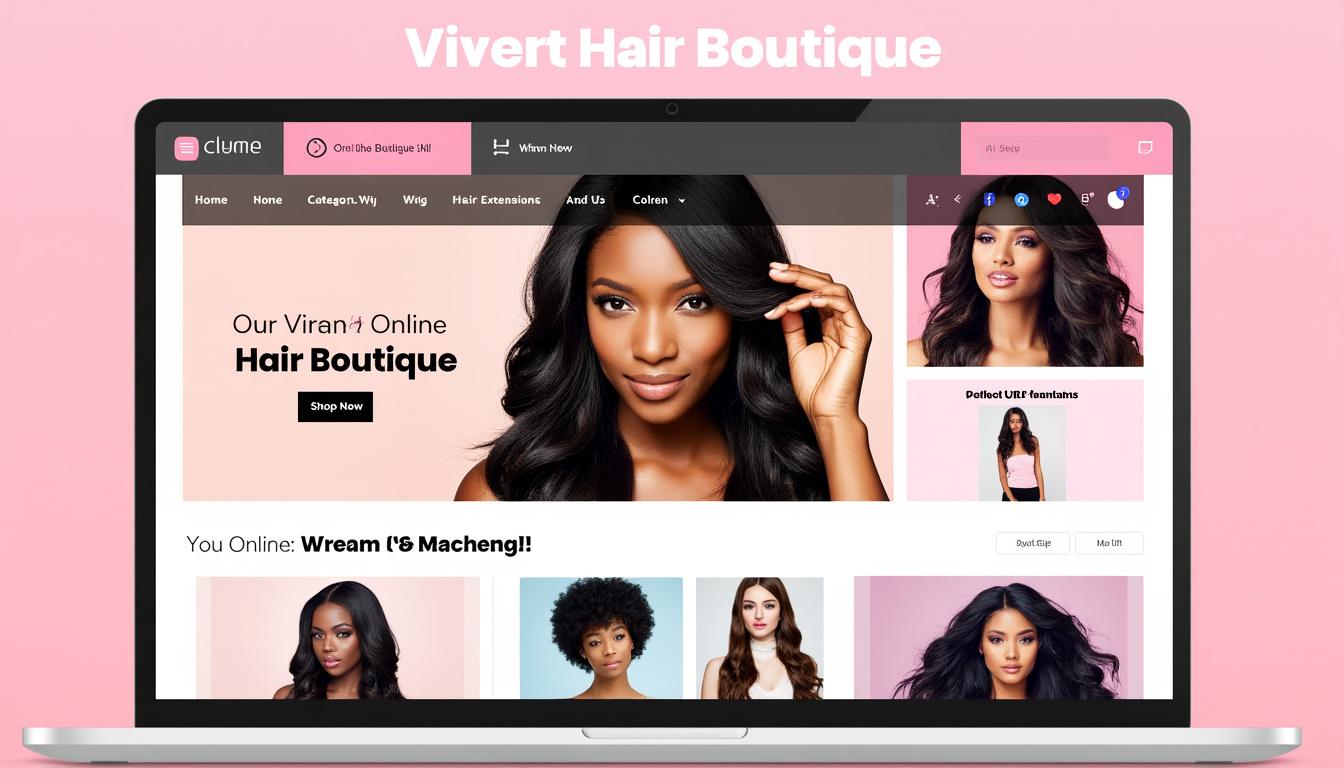
Strategic Advantages of Acquiring an Online Hair Business in 2025
Acquiring an established online hair business offers substantial benefits compared to starting from scratch. Entrepreneurs and investors gain immediate access to an existing customer base, an operational website, established supply chains, and, often, a recognizable brand name. These advantages significantly lower the risks commonly associated with startups.
Consider the example of an online beauty store specializing in high-quality lash and hair extension products, equipped with a professionally designed Shopify site, integrated payment gateways, and optimized digital marketing campaigns. Buyers can take over with a business that already generates steady monthly revenues and has robust social proof through online reviews and influencer endorsements.
Moreover, businesses listed on platforms like SalonEcommerce and HairBusinessExchange frequently come with growth plans that harness the latest trends in digital sales such as augmented reality try-ons, AI-driven personalization, and subscription box models. These advanced features enhance customer engagement and loyalty, increasing lifetime customer value.
- Instant cash flow with an existing consumer base and digital traffic.
- Access to proven inventory and supplier relationships minimizing logistical issues.
- Pre-established online brand reputation and credibility.
- Ability to leverage upcoming trends quickly and with lower upfront investment.
- Potential to expand product lines into untapped niches using existing platforms like eHairBoutique or DigitalHairSupply.
| Acquisition Benefit | Impact on Growth | Example Platform |
|---|---|---|
| Established Traffic & Sales | Speeds profit generation, lowers startup costs | HairMarketplace |
| Strong Social Proof | Enhances brand trust and customer retention | SalonEcommerce |
| Optimized Logistic Network | Improves fulfillment speed and customer satisfaction | WeaveWebstore |
| Innovative Tech Integration | Boosts conversion and engagement | DigitalHairSupply |
Examples of Success Stories
An online business specializing in eco-certified organic hair care products—now listed on HairBusinessExchange—saw its revenues multiply threefold post-acquisition, owing to revamped marketing efforts and subscription box launches. Another buyer purchasing a VirtualWigStore entity leveraged AI-based virtual try-on tech to increase average sales volume by 40% within six months.
Key Financial Metrics to Analyze Before Purchasing Online Hair Businesses
A thorough financial evaluation is fundamental when considering an online hair business purchase. Beyond headline revenue figures, deeper insight into profitability, cost structure, and recurring revenue models is necessary to assess sustainability and growth potential.
Essential metrics to scrutinize include:
- Gross profit margins: Indicate the core profitability of product lines.
- Customer acquisition cost (CAC): The expense of converting site visitors into buyers.
- Churn rate: Critical in subscription-based models to measure customer retention.
- Inventory turnover: Describes how quickly stock is sold and replenished.
- Lifetime customer value (LCV): Forecasts long-term revenue generated by average customers.
| Metric | Ideal Range | Implications for Business |
|---|---|---|
| Gross Profit Margin | 40% – 60% | Higher margins mean operational efficiency and pricing power |
| Customer Acquisition Cost | Less than 20% of average sales value | Lower CAC correlates with better marketing ROI |
| Churn Rate (for subscriptions) | Below 5%-7% | Signals strong customer loyalty and satisfaction |
| Inventory Turnover | 6 – 8 times per year | Indicates proper inventory management and product relevance |
| Lifetime Customer Value | 3x CAC or higher | Confirms business scalability and profitability |
Careful appraisal of these figures ensures investors avoid pitfalls such as overvalued assets or unsustainable marketing efforts. Real-world examples include a successful eHairBoutique seller who streamlined inventory turnover to double profits, demonstrating the business’s operational agility.
Practical Steps for Buying and Growing an Online Hair Business
Entering the vibrant online hair market requires more than capital—it demands a clear strategy from acquisition to expansion. Buyers interested in HairBusinessExchange or eSalonShop listings can follow these steps to maximize returns:
- Define Your Niche and Business Model: Whether wigs, hair extensions, or eco-friendly care products, choose a focus aligned with market demand.
- Conduct Due Diligence: Analyze traffic data, supplier contracts, customer reviews, and financial health.
- Plan Marketing and Branding: Utilize SEO, influencer partnerships, and social media campaigns to strengthen brand identity.
- Optimize Operational Infrastructure: Upgrade logistics, implement CRM solutions, and enhance website functionality.
- Explore Expansion Opportunities: Consider subscription services, virtual consultations, or launching private label products.
Each step supports scaling a business sustainably while improving customer experience and financial outcomes. Failing to strategize acquisitions carefully often results in missed potential or operational hurdles. For those less experienced, buying from platforms like Queensland’s online business sale listings or Victoria’s top online hair businesses offers vetted opportunities and essential support.
Simultaneously, ongoing performance monitoring through tools like Google Analytics ensures timely responses to market shifts and customer preferences, vital in the competitive hair e-commerce sector.
| Step | Description | Key Outcome |
|---|---|---|
| Define Niche | Select product focus based on market trends and customer needs | Targeted marketing and product development |
| Due Diligence | Deep evaluation of business financials and operations | Reduced risk of acquisition mistakes |
| Marketing Strategy | SEO, social media, influencer engagement planning | Increased brand awareness and sales |
| Optimize Operations | Improve logistics, website, and CRM systems | Enhanced customer service and efficiency |
| Expansion | Introduce new services or private label products | Business growth and market diversification |
Leveraging Technology and Market Trends in the Hair E-commerce Sphere
In 2025, the hair industry’s online segment is characterized by rapid technological innovation. Platforms like VirtualWigStore and DigitalHairSupply utilize AI-driven recommendations and augmented reality allowing customers to virtually try hairstyles or colors before purchase. This immersive experience drastically reduces return rates and enhances buyer satisfaction.
The demand for sustainability has also catalyzed the development of organic, eco-certified products highlighted by brands available on HairMarketplace and eHairBoutique. Consumers increasingly expect transparency around sourcing and environmental impact, influencing purchasing decisions profoundly.
Emerging blockchain applications are also making waves in supply chain transparency and authenticity verification for premium hair products. Although still nascent, these technologies propose to safeguard brand integrity and assure customers of product genuineness. Businesses able to integrate these technologies early stand to gain competitive advantage.
- Augmented reality for virtual try-ons increasing purchase confidence.
- Eco-conscious product lines addressing consumer sustainability demands.
- Blockchain usage to ensure product authenticity and supply chain traceability.
- AI-powered customer service chatbots improving engagement and automation.
- Subscription and curated box models fostering customer loyalty.
| Technology | Impact | Examples |
|---|---|---|
| Virtual Try-On (AR) | Boosts customer confidence, reduces returns | VirtualWigStore, WeaveWebstore |
| Sustainability Certification | Influences buying decisions, enhances brand reputation | HairMarketplace organic lines, eHairBoutique |
| Blockchain Traceability | Improves trust and supply chain transparency | DigitalHairSupply pilot programs |
| AI Chatbots | Streamlines customer service, boosts engagement | SalonEcommerce, HairBusinessExchange |
| Subscription Boxes | Enhances customer loyalty and predictability of revenue | OnlineManeMart, HairMarketplace |
Adopting such innovations not only improves operational efficiencies but also aligns hair businesses with the evolving expectations of savvy 2025 consumers, aiming to close the gap between personalized service and convenience of digital shopping.
In parallel, investors seeking online ventures in the hair sector should also consider opportunities highlighted on curated regional platforms such as Virginia Beach online business sales or diversify by exploring related niches like home decor businesses from profitable home decor listings.
What should I prioritize when buying an online hair business?
Focus on analyzing monthly traffic, profit margins, customer reviews, and the operational scalability of the platform.
Are online hair businesses profitable long-term?
Yes, especially those leveraging subscriptions, recurring customers, and engaging digital marketing strategies tend to sustain profitable growth.
How much does it typically cost to buy an established online hair business?
Costs vary widely, but small to mid-sized businesses often range between $50,000 to $500,000 depending on revenue and growth potential.
Can I operate an online hair business remotely?
Absolutely, many businesses in this sector operate primarily online with remote management supported by digital communication and logistics.
Where can I find trustworthy online hair business listings?
Platforms such as HairBusinessExchange, SalonEcommerce, and HairMarketplace provide reputable listings, alongside regional sites like Queensland’s and Victoria’s online business sale pages.
digital online business for sale

In the rapidly evolving landscape of digital entrepreneurship, acquiring an online business has emerged as a compelling avenue for investors and entrepreneurs alike. The market for digital online businesses for sale has expanded remarkably, propelled by technological advancements, the surge in ecommerce, and increasing preferences for digital-first business models. With platforms like Flippa and Empire Flippers leading the way, buyers have access to a wide variety of online enterprises ranging from ecommerce stores to SaaS companies, content-driven websites, and faceless YouTube channel businesses. This vast marketplace not only provides unparalleled opportunity but also incorporates expert advisory services, transparent due diligence tools, and extensive buyer networks to facilitate smooth, confident transactions.
As the world leans ever more into digital ecosystems in 2025, the strategic acquisition of an online business is no longer just a niche pursuit but a mainstream investment option. Buyers can tap into global marketplaces that aggregate thousands of listings, backed by verified financials and in-depth benchmarking analytics. Whether seeking a turnkey digital asset with significant growth potential or a cash-flowing site poised for expansion, digital business marketplaces today provide a streamlined experience, enabling transactions valued anywhere between five thousand and fifty million dollars. The following sections delve deeply into the mechanics, opportunities, risks, and strategic considerations surrounding purchasing digital online businesses for sale.
Key takeaways:
- The digital business marketplace is the world’s largest and most diverse, offering thousands of verified online business listings, including ecommerce, SaaS, content, and more.
- Expert advisors guide buyers through valuations, documentation, and optimizing investor interest, enhancing deal success rates.
- Tools such as direct data connectivity, benchmarking insights, and deal rooms enable comprehensive due diligence and smooth negotiation processes.
- Markets like Flippa connect buyers with a global community exceeding 600,000 investors, accelerating acquisition timelines significantly.
- Online business acquisitions span modest startups to well-established digital enterprises with values climbing into the tens of millions.
Understanding the Digital Online Business Marketplace: Platforms and Opportunities
The digital marketplace for online businesses for sale has transformed dramatically, with platforms such as Flippa, Empire Flippers, and FE International setting the gold standard. These marketplaces host millions of digital assets, including websites, ecommerce stores, mobile apps, and SaaS companies, facilitating deals that range broadly in size and complexity.
A critical appeal of these platforms lies in their comprehensive vetting processes. Sellers must provide verified financial statements, historical traffic data, and customer acquisition costs, all accessible through integrated dashboards. This transparency is invaluable for buyers assessing risk and growth potential.
Platform Highlights and Features:
- Flippa: Known for its diversity of listings and instant benchmarking tools, it offers access to dynamic deal rooms and due diligence support.
- Empire Flippers: A curated marketplace famous for pre-vetted, high-quality online businesses with thorough financial validation.
- FE International: Focuses on SaaS and high-growth digital assets, renowned for full-service advisory assistance including financing options.
- WebsiteClosers: Specializes in expanding tech startup exits, including software firms and ecommerce businesses.
- Business Brokers like BizBroker and DigitalMarketDeals: Facilitate seamless transaction management for buyers seeking niche markets.
Besides functionality for buyers and sellers, these marketplaces host extensive communities of investors, ranging from individual entrepreneurs to private equity and venture capital firms. These communities enable faster matches between buyers and the right acquisitions — often up to five times quicker than relying on conventional offline business brokers.
Consider the case of a budding entrepreneur aiming to purchase an established ecommerce site specializing in eco-friendly products. Using Flippa, the buyer accessed a faceless business generating reliable revenue, complete with customer acquisition costs and supplier data accessible for review. This allowed the buyer to seamlessly take over a turnkey operation, reducing startup risks and accelerating time to market.
| Platform | Specialization | Services Offered | Average Deal Size |
|---|---|---|---|
| Flippa | Broad range: websites, apps, ecommerce | Benchmarking, deal rooms, legal services | $5,000 – $3 million |
| Empire Flippers | Vetted, mid to high value | Financial validation, financing help | $50,000 – $50 million |
| FE International | SaaS, high-growth tech | Advisory, valuation, financing | $100,000 – $30 million |
| WebsiteClosers | Tech startups, ecommerce | Exit planning, deal facilitation | $100,000 – $20 million |
| BizBroker | Niche digital markets | Broker services | $10,000 – $5 million |
Explorations of global opportunities extend beyond these marketplaces. Interested buyers can find lucrative options in regions such as the US, Canada, Australia, Spain, and even Tasmania, showcasing the cross-border nature of digital business acquisitions. Portals like online business sale Spain or business sale Australia provide localized listings, enhancing buyer focus on regional digital markets.

Strategic Considerations When Purchasing a Digital Business Online
Buying an online business is inherently nuanced, unlike acquiring physical assets. Success hinges on comprehensive due diligence, understanding digital market trends, and leveraging platform tools effectively. In 2025, expert advisory services remain a cornerstone in mitigating risks, effectuated by platforms such as Flippa where teams assist in valuations, documentation, and deal flow optimization.
Key strategic considerations include:
- Financial Health Assessment: Analyze revenue streams, profit margins, and cash flow trends over multiple years to ensure stability.
- Traffic and Customer Acquisition: Scrutinize website traffic sources, user engagement metrics, and cost per acquisition to gauge scalability.
- Competitive Landscape: Research niche market competitors to understand threats and potential barriers to entry.
- Technological Infrastructure: Evaluate platform architecture, SEO rankings, and software dependencies that may impact business continuity post-sale.
- Seller Motivation and Deal Structure: Explore seller reasons for sale and determine if deal conditions, like earnouts or financing, suit buyer capabilities.
For example, a buyer eyeing a SaaS company on Empire Flippers undertook detailed due diligence on subscription renewal rates and churn metrics, enabling an informed valuation and arrangement of financing through the platform’s integrated services.
| Step | Details | Platform Tools |
|---|---|---|
| Valuation | Multiple approaches including EBITDA and revenue multiples | Instant benchmarking, financial reports |
| Due Diligence | Review of traffic, customer data, legal standing | Data connectivity, deal rooms |
| Financing | Explore loan options or earnouts | Integrated financing services |
| Legal | Contract preparation and transfer of ownership | Legal service support |
Buyers can explore specific niches such as digital marketing businesses by visiting resources like digital marketing business sale platforms or seek cash-flow positive ventures through sites listing cash flowing online business opportunities. These targeted searches enhance the buyer’s ability to align acquisition with strategic interests.
Faceless and Turnkey Digital Businesses: The New Investment Frontier
One innovative trend gaining momentum is the rise of faceless, turnkey digital businesses, particularly in content and ecommerce sectors. Such businesses operate with minimal day-to-day involvement from the owner, often managed by a small internal or outsourced team. These models appeal especially to investors who value scalability combined with relatively low operational complexity.
Take, for example, the phenomenon of faceless YouTube channels that generate advertising, affiliate, and sponsorship revenues without the creator ever showing their face or engaging in front of the camera. Listings for such businesses have saturated sites like Flippa, offering buyers instant revenue streams with room for growth.
Advantages of turnkey and faceless businesses include:
- Immediate cash flow upon acquisition without startup delays.
- Scalability through automation, outsourcing, or digital optimization.
- Lower operational risks due to standardized processes and minimal personal branding reliance.
- Potential for portfolio diversification by acquiring multiple niche assets.
- Access to expert support for scaling and monetization strategies.
However, these opportunities come with challenges. Dependence on digital platform policies, algorithm changes, and market saturation require continuous monitoring and adaptive strategies. Buyers should evaluate historical stability and growth potential before committing.
| Business Type | Operational Model | Main Revenue Sources | Typical Buyer Profile |
|---|---|---|---|
| Faceless YouTube Channel | Outsourced content creation | Ad revenue, affiliate sales | Passive investors, content marketers |
| Turnkey Ecommerce Store | Dropshipping or inventory-based | Product sales, subscriptions | Active ecommerce operators, investors |
| Niche SaaS Company | Subscription based, minimal support | Recurring subscription fees | Tech investors, software entrepreneurs |
The Role of Marketplaces in Facilitating Faceless and Turnkey Deals
Marketplaces like SideProjectors, Digital Business Bazaar, and WebAssetShop specialize in faceless and turnkey asset listings. They provide the necessary tools and advisory services to handle everything from valuation to post-sale transition planning. These platforms integrate services such as legal support, financing, and transfer logistics, making ownership changes smoother for buyers unfamiliar with operational nuances.
In this evolving landscape, acquiring faceless turnkey digital businesses is a practical gateway for investors focused on long-term portfolio building in the digital economy.
Global Reach of Digital Online Business Sales and Regional Nuances
The borderless nature of the internet means digital online businesses for sale come from a variety of countries, each presenting distinct advantages tied to local digital economies and market regulations. The international nature of these transactions requires buyers to understand regional specificities that impact business operations and legal frameworks.
Regional Insights:
- United States: Offers the largest inventory of online businesses, with mature ecommerce ecosystems and extensive buyer support networks. Resources like SBA-approved online business listings enhance credibility and financing options.
- Canada: Presents burgeoning niches especially in SaaS and digital marketing, accessible through platforms showcasing business-for-sale Canada options.
- Australia and Tasmania: Known for innovative ecommerce and service models with listings such as business sale Australia and online business sale Tasmania attracting international buyers.
- Spain and Europe: Markets with increasing digital integration and multilingual content opportunities make sites like online business sale Spain vital resources for cross-border buyers.
- Florida and US States: Specific states like Florida offer unique digital business environments, documented through region-specific listings such as Florida online business sale.
These geographic distinctions influence purchase decisions, especially regarding tax implications, regulatory compliance, and market demand. Buyers attuned to regional factors gain strategic advantages when constructing diversified online portfolios tailored to both global reach and local nuances.
| Region | Key Digital Business Types | Market Strengths | Popular Listing Portals |
|---|---|---|---|
| United States | Ecommerce, content sites, SaaS | Mature market, robust financing | Flippa, Empire Flippers |
| Canada | SaaS, digital marketing | Growing tech ecosystem | DigitalMarketDeals |
| Australia & Tasmania | Ecommerce, services | Innovation, English dominance | BizBroker, BuySellSites |
| Spain & Europe | Multilingual content, ecommerce | Market integration | OnlineBusinesses.ForSale, WebAssetShop |
| Florida, USA | Ecommerce, local services | Unique tax advantages | Profitable-business.net listings |
Emerging Trends and Future Outlook for Digital Online Business Sales
The digital online business sale industry is evolving rapidly, intertwined with larger technological and global economic trends. Key emerging themes include increased automation, AI-powered due diligence, and growing preference for recurring revenue models such as subscription-based SaaS or membership sites.
Additionally, sustainability considerations and ethical ecommerce are reshaping buyer preferences, with eco-conscious digital businesses gaining premium valuations. Investors now demand not only profitability but alignment with broader social and environmental values.
Emerging trends to watch in 2025 include:
- Integration of blockchain for secure ownership transfer and transparent transaction history.
- AI-driven marketplace analytics enabling hyper-targeted buyer-seller matching.
- Growth of niche markets focused on specialized digital assets and community economies.
- Expansion of cross-border financing options easing access for international buyers.
- Increased focus on turnkey and faceless business models to optimize operational scalability.
Marketplaces such as DigitalBusinessBazaar, SideProjectors, and BuySellSites are at the forefront, leveraging technology to improve buyer experiences and reduce time to negotiation and closure. These advancements forecast an exciting future for digital business acquisition strategies, supporting a diversification of investor types and business models.
| Trend | Impact on Buyers | Marketplace Response |
|---|---|---|
| Blockchain Ownership | Security, transparency | Implemented digital registries |
| AI Analytics | Better matching and valuation | Real-time insights and data tools |
| Niche Market Expansion | More specialized assets | Dedicated category launches |
| Cross-Border Financing | Easier international acquisitions | Global financing partnerships |
| Turnkey Models | Higher scalability | End-to-end support services |
For digital entrepreneurs and investors looking to seize the moment, these compelling developments signify that the digital online business market continues to offer unmatched avenues for investment diversification, passive income generation, and strategic growth in the digital economy.
What are the benefits of buying an online business through marketplaces like Flippa?
Marketplaces provide transparency, verified financials, expert advisory, and integrated tools such as deal rooms and benchmarking, which streamline the acquisition process.
How can a buyer assess the risk involved in purchasing a digital business?
Comprehensive due diligence includes financial reviews, analyzing website traffic and customer acquisition costs, verifying legal status, and understanding market competition, often supported by marketplace tools.
What are faceless digital businesses and why are they popular?
Faceless digital businesses operate without a visible owner or brand presence, often through outsourced teams. Their popularity stems from scalability, ease of management, and immediate cash flow.
Are there regional differences in online business sales?
Yes. Different regions offer various digital business opportunities shaped by local regulations, market maturity, and consumer behavior. Buyers should consider these when making investment decisions.
What trends will shape the future of digital online business sales?
Emerging trends include blockchain for ownership transparency, AI-powered analytics, growth of niche markets, expanded financing channels, and turnkey business models focused on automation and scalability.
online business for sale canada under $10000

Canada’s vibrant economy, ranking as the world’s tenth-largest with a GDP surpassing $2.21 trillion, presents an attractive landscape for entrepreneurs eager to tap into digital ventures without overwhelming financial barriers. The vast land, rich resources, and robust economic ties with the United States bolster Canada’s business ecosystem, making it fertile ground for various online businesses to flourish, even with modest capital under $10,000.
In 2025, the barriers to entry for owning an online business have considerably reduced. This transformation is primarily due to disruptive platforms like Flippa, BizBuySell, and BusinessMart that enable prospective buyers to acquire, operate, and scale existing businesses from anywhere. These marketplaces streamline the process, offering meticulously vetted listings that range from dropshipping companies to niche digital marketing agencies, all affordable within tight budgets.
Moreover, Canada’s shifting workforce dynamics following the pandemic recovery emphasize remote work and flexible entrepreneurship. Platforms such as Sunbelt Canada and SideHustleNation champion side ventures that fit around diverse lifestyles, providing digital entrepreneurs with tailored opportunities. The significance of purchasing rather than building from the ground up cannot be overstated for those with limited startup funds — acquiring an operational entity often reduces ramp-up time and mitigates early-stage risks.
Crucial to this digital economy are also franchising options under $10,000. Through portals like business-sale-australia-10000, and similarly Canadian-focused franchises, individuals access affordable, scalable franchises that marry brand recognition with low initial investment. This approach blends the accreditation of established brand names with autonomy, serving as an appealing hybrid for first-time entrepreneurs.
Given the abundance of options, understanding the nuances of online business purchase strategies and evaluating platforms such as Empire Flippers and WebsiteBroker becomes paramount. Integrating these resources offers a strategic edge, allowing buyers to pivot intelligently between industries and business models, matching market trends with personal ambition.
Profitable Online Businesses for Sale in Canada Under $10,000
Delving into Canada’s online business market uncovers a plethora of profitable opportunities priced below $10,000. These businesses capitalize on the digital economy’s continued expansion, offering viable pathways for aspiring entrepreneurs who want to avoid starting from scratch.
One prominent category includes online consulting services. Professionals skilled in legal, accounting, or marketing niches can purchase existing consultancies listed on marketplaces like BizBuySell or Flippa, quickly gaining clientele and a proven operational structure. The key advantage lies in leveraging established reputations to fast-track income generation without heavy marketing expenditure.
Another burgeoning domain is dropped shipping ventures. These businesses work as intermediaries, selling products without maintaining inventory. Notably, platforms such as BusinessMart list low-cost stores already integrated with suppliers, easing operational burdens. The minimal upfront investment combined with flexibility makes dropshipping immensely popular among Canadians seeking scalable income.
Additionally, the realm of digital marketing agencies offers promising returns. Digital advertising is indispensable in today’s business environment; however, small firms often lack in-house expertise. Buying an already operational agency provides immediate client contracts and tools, eliminating the long lead time associated with building credibility. Listings on Flippa and WebsiteBroker often contain agencies with proven track records and manageable startup costs.
- Online Consulting Firms: Specialized knowledge-based businesses that use virtual platforms to connect with clients.
- Dropshipping Stores: E-commerce models requiring minimal overhead, focusing on order fulfillment through third parties.
- Digital Marketing Agencies: Firms managing social media, SEO, and advertising campaigns for other businesses.
| Business Type | Typical Asking Price (CAD) | Investment Needed | Key Platforms to Buy | Operational Complexity |
|---|---|---|---|---|
| Online Consulting Services | $4,000 – $9,500 | Low (mostly time and expertise) | BizBuySell, Flippa | Moderate (requires subject matter expertise) |
| Dropshipping Businesses | $3,000 – $10,000 | Low (no inventory management) | BusinessMart, Empire Flippers | Low to Moderate (digital marketing skills advised) |
| Digital Marketing Agencies | $6,000 – $10,000 | Moderate (client management and service delivery) | Flippa, WebsiteBroker | High (requires marketing knowledge) |
For a broader comparison, resources like remote-online-business-sale provide insights on the latest trends in online business acquisitions.

Franchise Opportunities Under $10,000 in the Canadian Market
Franchises with initial investments under $10,000 can serve as gateways into proven business models without heavy startup capital. Platforms such as Kazooga and Sunbelt Canada curate listings that highlight accessible franchises tailored for aspiring entrepreneurs with lean budgets.
These franchises span various industries from cleaning services to food truck operations and virtual assistant agencies. Acquiring a franchise often comes with brand support, training, and marketing assistance, offering a more structured path than starting an independent online business. This fosters accelerated growth while alleviating many unknowns associated with fresh startups.
- Cleaning Services: Low-investment, recurring revenue from residential and commercial contracts.
- Food Truck/Catering: Mobility and minimal initial asset costs make this attractive.
- Virtual Assistant Agencies: Offering administrative support remotely with scalable demand.
| Franchise Type | Startup Cost (CAD) | Support Received | Growth Potential | Common Platforms |
|---|---|---|---|---|
| Cleaning Services | $3,000 – $8,000 | Training, branding, operational manual | Moderate to high | Sunbelt Canada, Kazooga |
| Food Truck | $6,000 – $10,000 | Equipment, marketing support | High | Kazooga, BusinessMart |
| Virtual Assistant Services | $1,000 – $5,000 | Training and client sourcing support | Moderate | Sunbelt Canada, SideHustleNation |
Advantages of Purchasing Online Businesses Versus Starting From Scratch
The decision to buy an online business rather than launching a startup entails significant advantages, particularly when budgets are constrained. Purchasing established entities listed on platforms such as Empire Flippers or BizBuySell mitigates many traditional entrepreneurial risks.
Firstly, businesses for sale generally include existing customer bases, validated revenue streams, and operational history. This provides entrepreneurs with immediate cash flow and proven models rather than uncertain experimental ventures. For example, a buyer of a dropshipping store on BusinessMart can skip sourcing suppliers and market testing, significantly accelerating profitability.
Moreover, acquiring an online company typically involves existing website infrastructure, branding, and digital marketing assets. This eliminates the learning curve and time investment often required to set up an online storefront or gain organic traffic. Technical headaches related to website optimization, payment gateways, and SEO are often managed or documented during the transfer process.
- Instant revenue and customer loyalty
- Reduced setup time and startup hurdles
- Access to operational processes and supplier relationships
- Ability to focus on scaling and growth strategies
However, buyers must perform meticulous due diligence – analyzing financial records, website traffic, and growth potential before finalizing purchases. Platforms like Flippa, BizBuySell, and Empire Flippers often provide verified data and escrow services, increasing transaction safety and transparency.
| Criteria | Buying an Existing Business | Starting a New Business |
|---|---|---|
| Time to Market | Immediate | Several months |
| Initial Risk Level | Lower with proven cash flow | Higher; unproven concept |
| Cost | Fixed, often under $10,000 | Variable, often exceeding initial expectations |
| Brand Recognition | Established | Needs to be built |
| Growth Potential | Defined, depends on existing business health | High but uncertain |
Critical Aspects When Considering Purchase
The decision matrix involves understanding the marketplace and leveraging platforms that ensure credible listings and support buyer education. WebsiteBroker features extensive listings categorized by niche, price, and traffic, while Sunbelt Canada extends personalized business brokerage services. Buyers must always validate seller claims, consult professionals, and consider the potential for relocation or remote management, referencing insights from sites such as online-business-sales-reviews.
Emerging Online Business Models Under $10,000 in Canada
The digital entrepreneurial ecosystem evolves rapidly. In 2025, innovative business models have gained traction, supported by technological advancements and shifting consumer behaviors. Besides traditional e-commerce and consulting services, several fresh concepts allow entrepreneurs to maximize results on shoestring budgets.
Virtual assistant agencies have emerged as a profitable niche. CEOs and small business owners increasingly outsource administrative tasks. This sector’s low startup costs and broad appeal align well with Canadian trends toward remote work and work-life balance. Marketplaces like SideHustleNation and Kazooga showcase opportunities for entry-level entrepreneurs to acquire virtual assistant boutiques or develop new ones.
Similarly, content creation through platforms such as YouTube, podcasting, and blogging offers monetization avenues with minimal upfront investment. Canadian content creators often blend niche expertise with brand sponsorships, affiliate marketing, and ad revenue to build sustainable revenue streams. These ventures generally require investment in quality equipment and digital marketing skills, but purchasing established channels or websites can fast-track success. Listings on Flippa often include monetized content platforms.
- Virtual Assistant Services: Remote administrative support businesses built for scalability.
- Digital Content Creation Platforms: Blogs, YouTube channels, or podcasts monetized through advertising and sponsorships.
- Micro-SaaS Companies: Small-scale software solutions servicing specific market needs.
| Emerging Business Model | Start-up Cost | Key Benefits | Platforms to Explore |
|---|---|---|---|
| Virtual Assistant Agencies | $1,000 – $7,000 | Scalable service model, growing demand | SideHustleNation, Sunbelt Canada |
| Content Creation | $2,000 – $8,000 | Advertising revenue & sponsorships | Flippa, BizBuySell |
| Micro-SaaS | $5,000 – $10,000 | Recurring revenue & niche focus | Empire Flippers, WebsiteBroker |
CASES OF SUCCESSFUL ONLINE BUSINESS ACQUISITIONS UNDER $10,000 IN CANADA
Numerous Canadian entrepreneurs have harnessed the potential of acquiring affordable online businesses, transforming modest investments into thriving enterprises. For instance, a Vancouver-based entrepreneur purchased a digital marketing agency for under $9,500 via BizBuySell. Through focused client retention and expanding SEO services, the agency doubled revenue within a year.
In Toronto, a former corporate professional acquired a dropshipping store from BusinessMart, specializing in eco-friendly products. Leveraging targeted Facebook and Instagram ads, the business’s monthly sales quadrupled over 18 months, demonstrating how strategic marketing can swiftly scale operations.
Another case involves an Ottawa resident acquiring a virtual assistant contract portfolio offered on Sunbelt Canada for $7,000. By expanding service offerings and automating billing, the business tripled its client base while managing workload efficiently remotely. These stories underscore the diverse possibilities for Canadians to start sustainable online ventures with limited capital.
| Case | Business Type | Acquisition Cost | Growth Strategy | Result |
|---|---|---|---|---|
| Vancouver Marketing Agency | Digital Marketing Agency | $9,500 | Client retention & service diversification | Revenue doubled in 12 months |
| Toronto Dropshipping Store | Dropshipping E-commerce | $7,200 | Social media advertising scale-up | 400% sales growth in 18 months |
| Ottawa Virtual Assistant Services | Virtual Assistant Agency | $7,000 | Service expansion & billing automation | Tripled client base remotely |
What online business types are commonly available under $10,000 in Canada?
Common businesses include consulting services, dropshipping stores, digital marketing agencies, virtual assistant services, and small-scale content creation platforms.
Which online platforms are best for buying affordable Canadian businesses?
Platforms like BizBuySell, Flippa, BusinessMart, Empire Flippers, and Sunbelt Canada feature a wide array of low-cost businesses suitable for Canadian entrepreneurs.
Is purchasing an established business under $10,000 riskier than starting fresh?
Buying an existing business usually lowers risk due to established revenue and customer base. However, diligent due diligence is essential to validate its performance and growth potential.
How can buying a franchise under $10,000 be advantageous?
Low-cost franchises offer brand recognition, operational support, and quicker market entry compared to starting independent ventures.
Are there possibilities to manage these online businesses remotely?
Yes, many online businesses, especially consulting, dropshipping, and virtual assistant agencies, support remote management, fitting well with current Canadian market trends.
online business for sale australia under $10000

In recent years, acquiring an online business has become an increasingly attractive option for aspiring entrepreneurs in Australia. The digital realm offers a low barrier to entry, particularly when the investment is manageable—under $10,000. This price point opens myriad opportunities for individuals keen on stepping into the business world without hefty upfront costs. Australia’s vibrant e-commerce landscape and flourishing digital marketplaces have given rise to diverse online ventures primed for acquisition.
The landscape of online businesses for sale in Australia under $10,000 encompasses a wide array of models—from e-commerce stores specializing in niche products to online education platforms and service-based digital operations. Platforms such as Flippa, BizBuySell Australia, Exchange Marketplace, and Digital Exits serve as primary hubs where investors and entrepreneurs can explore thousands of opportunities, each with its own unique advantages and growth prospects.
Understanding these ventures requires a holistic view not only of the financial figures but also of the potential scalability, market fit, and operational demands. Prospective buyers benefit from scrutinizing businesses that align with their passions and expertise, especially since many affordable online businesses are semi-automated or niche, lending themselves well to focused strategic input and growth by the new owner.
Key highlights to consider when exploring online businesses under $10,000 in Australia:
- Ease of entry with low capital outlay versus traditional brick-and-mortar shops.
- Flexible business models including drop shipping, digital products, and online coaching.
- Availability of turnkey options with existing customer bases and automated sales processes.
- Access to reputable marketplaces like Businessforsale.com.au, SideProjectors, BuySellEmpire, and Empire Flippers for trustworthy listings.
- The chance to leverage skills in marketing, technology, or content creation to scale small businesses quickly.
Exploring Popular Types of Online Businesses Under $10,000 in Australia
The spectrum of available online businesses priced under $10,000 in Australia is diverse, catering to a range of interests and skill sets. Among the most prevalent are e-commerce brands, service-provider platforms, digital education ventures, and niche content websites. The affordability often stems from businesses being either newly launched, semi-automated, or requiring owner involvement primarily in marketing and customer engagement.
E-commerce Stores with Proven Revenue Streams
E-commerce continues to dominate as a preferred online business type. Buyers can acquire stores selling physical products ranging from specialty Italian leather shoes to sustainable surfing gear. Many such businesses boast established customer bases and robust supplier relationships, facilitating seamless operations. For instance, some Australian sellers offer stores that generate consistent revenue and are easily managed from any location in the country.
Examples include:
- A specialty footwear store importing luxurious products from Italy, capitalizing on quality and authenticity.
- Sustainable product sellers promoting eco-friendly surf gear, aligning with growing environmental consciousness among consumers.
- Music merchandise retailers focusing on niche genres such as heavy metal and punk, leveraging passionate fan communities for stable sales.
Service-Based and Digital Product Ventures
Another popular category involves online training businesses providing courses in MYOB, Xero accounting software, and aged care certification programs. These platforms benefit from minimal overhead costs and strong demand within Australian markets. Additionally, online business coaching services present attractive options due to their scalability and the potential for recurring income streams through mentoring and client retention.
Prospective buyers should note that such businesses often include hands-on training and support, enabling newcomers to enter the digital space confidently. Registration advantages, like NDIS accreditation, further enhance credibility and revenue diversification.
Franchise and Licensing Opportunities
Franchise offerings under $10,000, often sold through specialized brokers, open doors to established brand recognition with comparatively low investment. Dealerships and licenses such as Amazon Australia seller accounts represent practical entry points that combine proven business models with support systems to optimize profitability. These formats benefit from high traffic environments and consumer trust, which new owners can leverage effectively.
| Business Type | Typical Price Range | Key Advantages | Market Demand |
|---|---|---|---|
| E-commerce Store | $5,000 – $10,000 | Automated sales, scalable, location independent | High |
| Online Training Platform | $7,000 – $10,000 | Recurring revenue, low overhead, accreditation benefits | Moderate to High |
| Franchise/License | $3,000 – $10,000 | Brand recognition, support, proven system | Moderate |
| Content-Based Website | $2,000 – $8,000 | Monetization through ads, affiliate marketing | Growing |

Where to Find Reliable Online Business Listings within Your Budget
Finding trustworthy and well-priced online ventures in Australia requires navigating a landscape filled with numerous marketplaces and brokers. Platforms like Businessforsale.com.au serve as comprehensive resources, catering to buyers seeking businesses under $10,000 with verifiable financials and operational histories.
Key platforms blending user-friendly search filters and extensive inventories include:
- Flippa: One of the oldest and largest website marketplaces, ideal for small to mid-sized businesses and side projects.
- BizBuySell Australia: Offers an extensive catalog with broker-supported transactions enhancing buyer confidence.
- Exchange Marketplace: Focused on Shopify stores, perfect for entrepreneurs wanting turnkey e-commerce models.
- Digital Exits: Favored for tech startups and SaaS businesses, also listing smaller ventures suited for budget-conscious buyers.
- SideProjectors and BuySellEmpire: Platforms offering specialized niches and side hustle opportunities to start quickly.
It is critical to perform due diligence, reviewing traffic statistics, revenue proofs, and supplier agreements. Many marketplaces provide escrow services ensuring secure transactions and transparency.
| Marketplace | Specialization | Average Business Price | Additional Services |
|---|---|---|---|
| Flippa | Websites, Apps, E-commerce | $1,000 – $50,000 | Escrow, Valuation tools |
| BizBuySell Australia | Broad business listings | $5,000 – $100,000+ | Broker assistance, Due diligence support |
| Exchange Marketplace | Shopify stores | $500 – $30,000+ | Training, Migration support |
| Digital Exits | Tech, SaaS, Digital agencies | $5,000 – $100,000+ | Industry insights, Advisory |
Factors Influencing the Valuation of Online Businesses Priced Below $10,000 in Australia
The valuation of online businesses at this investment level hinges on several critical factors that affect both present returns and future growth potential. Understanding these factors is vital for making an informed purchase decision.
- Revenue Consistency: Buyers should seek businesses with verifiable monthly or annual revenue streams, ideally showcasing steady or growing sales trends.
- Profit Margins: High-margin businesses are often more sustainable and easier to scale, especially those selling digital products or operating in dropshipping models.
- Operational Complexity: Simpler, automated businesses may demand less hands-on management, appealing to buyers with limited time.
- Traffic and Customer Base: Online businesses with loyal users or organic traffic offer lower risk and elevated growth opportunities.
- Market Niche: Unique niches with dedicated communities can shield businesses from broad market fluctuations and intense competition.
For example, an online training company teaching popular accounting software might command a higher multiple than a generic dropshipping store due to the specialist value of its content and certification status.
| Valuation Factor | Impact on Price | Buyer Considerations |
|---|---|---|
| Revenue Stability | High | Review financials and payment history carefully |
| Profit Margin | Moderate to High | Assess product costs and overheads |
| Scalability | High | Look for automation and growth potential |
| Brand Equity | Moderate | Consider customer retention rates |
| Competition | Moderate | Analyze niche saturation and barriers to entry |
Strategies for Scaling Your Newly Acquired Online Business Under $10,000
After acquisition, strategic growth initiatives are paramount to transforming small online businesses into lucrative ventures. Scalability hinges on smart marketing, operational efficiency, and product or service refinement.
Optimizing Digital Marketing and Customer Engagement
Utilizing social media platforms to amplify brand visibility is essential. Businesses with existing viral footprints or engaged customer lists (10,000+ subscribers are common in fast-growing stores) can harness email marketing and content creation to deepen relationships. For example, successful e-commerce sellers often benefit from periodic viral social media campaigns—a strategy easily replicable through partnerships with influencers or paid advertising.
Automation and Outsourcing
Automating tasks such as order fulfillment, customer support, and digital advertising reduces operational burdens. Outsourcing specialized roles—content writing, SEO optimization, or technical updates—enables owners to focus on strategy and growth. Many businesses on platforms like Empire Flippers and Side Hustle Marketplace emphasize this approach to achieve scalability without proportional increases in overhead.
Exploring Additional Revenue Streams
Introducing complementary services, cross-selling products, or implementing subscription models adds robustness. For instance, an online training company might develop advanced courses or offer consulting packages. Similarly, e-commerce stores can bundle products or launch exclusive membership benefits.
| Growth Strategy | Expected Outcome | Key Actions |
|---|---|---|
| Social Media Marketing | Increased traffic and brand awareness | Regular campaigns, influencer partnerships |
| Automation | Operational efficiency | Use of tools like Shopify apps, CRMs |
| Diversification | Revenue stability and growth | Launch new products/services, subscriptions |
| Outsourcing | Focus on strategic tasks | Hire freelancers for content, SEO |
Key Considerations When Buying Online Businesses in Australia Under $10,000
Venturing into online business acquisition demands cautious evaluation of several elements to minimize risks and maximize chances of success. Buyers should be particularly vigilant about the following:
- Business Transparency: Ensuring the seller provides comprehensive financial records and traffic analytics is crucial to avoid hidden liabilities.
- Market Trends: Researching current consumer behaviors and digital trends provides insight into future growth potential.
- Legal and Regulatory Compliance: Confirm that the business complies with Australian laws, especially if dealing with licenses, trademarks, or certifications like NDIS.
- Seller Support: The availability of transition assistance or training from the current owner often eases operational takeovers.
- Scalability Potential: Assessing whether the business can grow without disproportionate increases in time or capital investment.
Evaluating these factors hand-in-hand with platforms like SideProjectors or Website Properties can help prospective entrepreneurs and investors secure worthwhile opportunities.
What are the best platforms to find online businesses under $10,000 in Australia?
Popular marketplaces include Flippa, BizBuySell Australia, Exchange Marketplace, and Digital Exits, each providing a broad variety of businesses with transparent listings and buyer protections.
How to ensure the online business is profitable before purchasing?
Request comprehensive financial records, traffic reports, and supplier agreements. Consider trial operations if possible and review customer feedback to gauge business health.
What types of online businesses are most scalable under a $10,000 budget?
E-commerce stores with automated supply chains, digital training platforms, and subscription-based services typically offer the most scalability for low investment.
Are franchises available under $10,000 to buy online in Australia?
Yes, some low-cost franchises and licensing opportunities exist, offering a balance between brand recognition and affordable entry costs.
What support options are available to new online business owners?
Many businesses include hands-on training, ongoing support, and mentoring, especially those listed on platforms like Businessforsale.com.au and Side Hustle Marketplace.