
Home Blog Page 4229

online business for sale under 100k

0
discover a wide range of profitable online businesses for sale under $100k. find the perfect opportunity to become your own boss with affordable investment options and expert support.

In the evolving landscape of digital entrepreneurship, acquiring an online business under $100,000 presents a compelling opportunity for investors and aspiring business owners alike. This segment of the market bridges affordability with tangible growth potential, providing access to well-established digital platforms without the exorbitant entry costs associated with high-value companies. As the digital economy matures, platforms such as BizBuySell, Flippa, Empire Flippers, and Shopify Exchange have buoyed the market by curating diverse business listings that cater to various interests and budget ranges.

Entrepreneurs seeking entry points in e-commerce, SaaS, affiliate marketing, or content creation stand to benefit from this market bracket. These businesses typically possess proven revenue streams, established customer bases, and scalable operational models. The rise of remote work and the surge in consumer reliance on online services amplify the attractiveness of purchasing an online business within this financial scope. Moreover, platforms like MicroAcquire and FE International offer tailored vetting processes and support structures to mitigate risk and streamline acquisition for buyers navigating deals under $100K.

For individuals aiming to diversify their portfolios or transition from traditional employment, the under $100K online business sector provides a pragmatic balance between manageable financial commitment and substantial upside potential. It also invites a range of investment strategies, from hands-on operational involvement to semi-automated income streams. This exploration examines key aspects of this market segment, including the types of businesses available, evaluation criteria, financing options, and strategic considerations, infused with data and insights relevant to the current digital economy.

Key Points in Brief:

  • Financial Accessibility: Online businesses under $100K offer a lower-cost entry to digital entrepreneurship, ideal for first-time buyers or budget-conscious investors.
  • Diverse Business Models: Options include e-commerce, SaaS, affiliate sites, content-driven platforms, and niche marketplaces.
  • Growth Potential: Many such businesses exhibit scalable structures and recurring revenue that can be amplified with strategic management.
  • Marketplace Diversity: Leading platforms like BizBuySell, Flippa, Shopify Exchange, and Empire Flippers generate robust listings with varying degrees of traffic and profitability.
  • Due Diligence Essential: Evaluating financials, traffic sources, customer retention, and operational demands is critical to ensure successful acquisition.

Exploring Types of Online Businesses for Sale Under $100K

The digital marketplace is abundant with online business opportunities priced under $100,000, each with distinct operational frameworks and revenue mechanisms. Understanding these categories is vital for prospective buyers aiming to align their investment with expertise, interests, and risk tolerance.

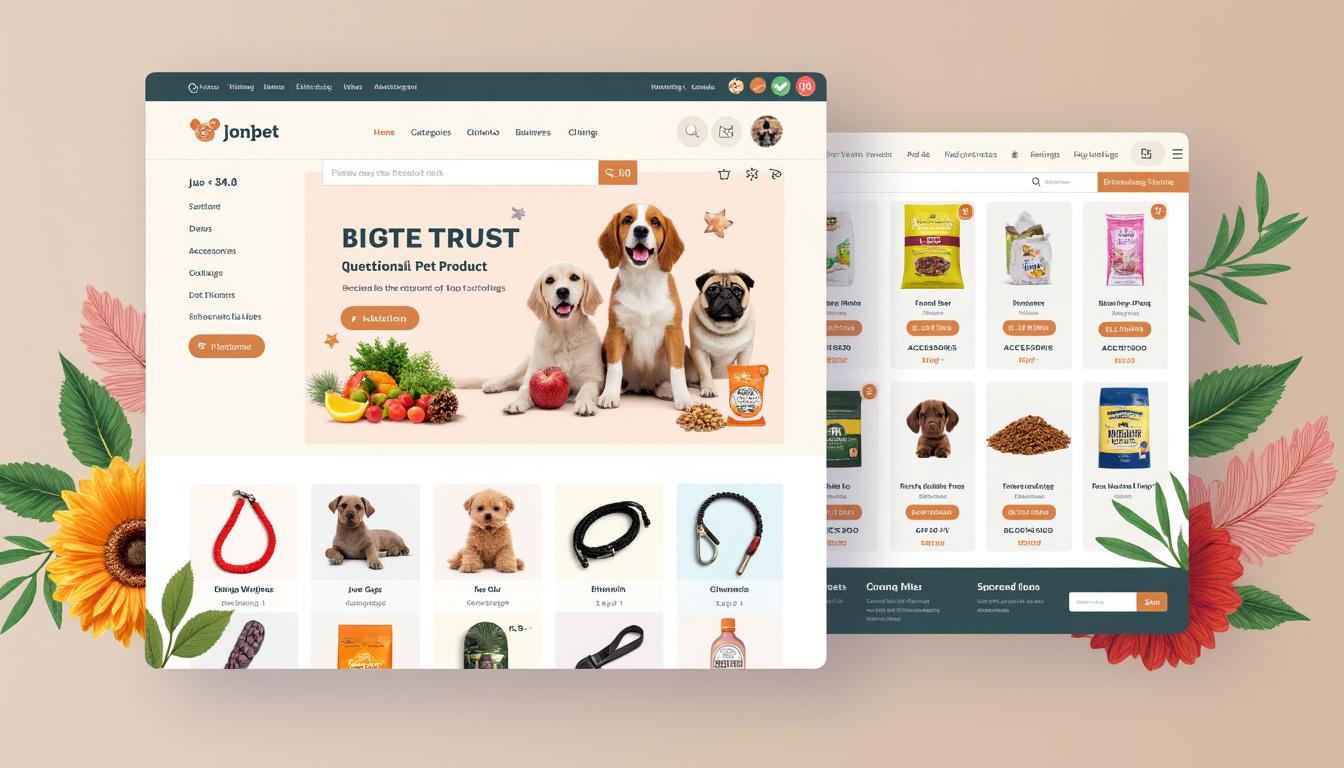
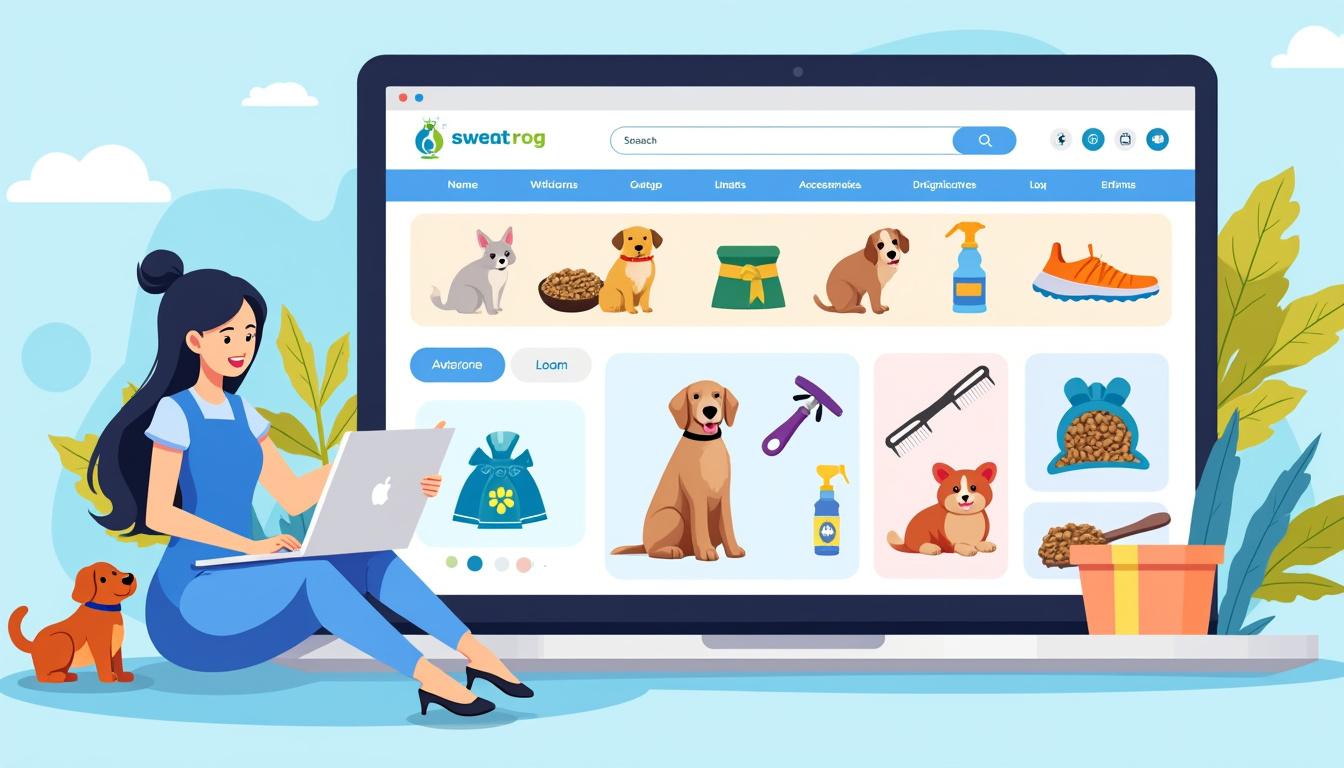
E-commerce Stores: Among the most prevalent, these stores sell physical or digital products through platforms such as Shopify, WooCommerce, or Magento. Many are run with dropshipping models, which minimize inventory risk. Acquiring an e-commerce business in this price range often involves inheriting an established customer base, supplier agreements, and digital marketing funnels. For example, a fashion business sale or a pet-themed online shop offers niche appeal, enabling focused marketing strategies and community engagement.

SaaS (Software as a Service) Platforms: SaaS businesses under $100K typically represent early-stage or niche software solutions with steady subscription revenue. Given their recurring income, these can be lucrative if they solve specific, scalable problems. Buyers must assess the product’s competitiveness, user growth, churn rate, and technical maintenance requirements.

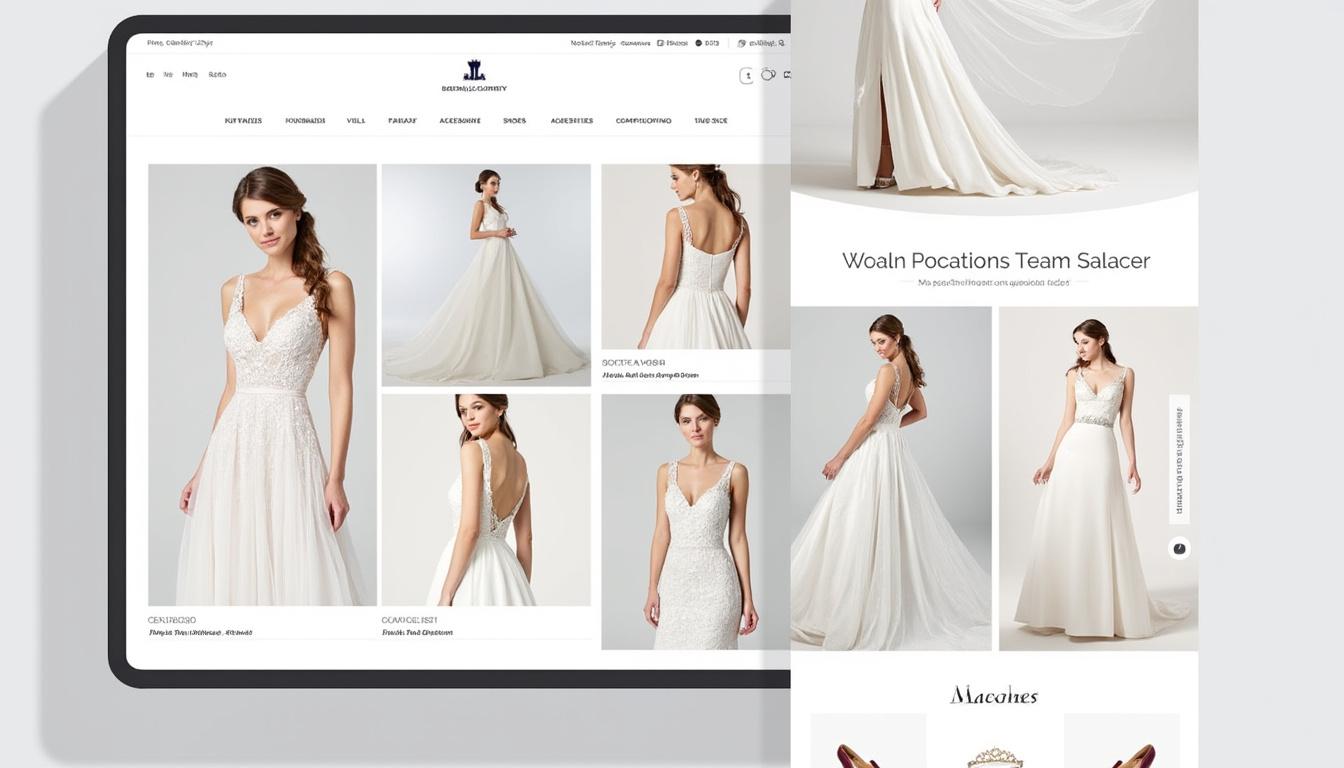
Affiliate and Content Sites: These ventures revolve around high-quality content that drives traffic and monetizes via affiliate marketing, advertising, or sponsorships. Niches vary from wellness and finance to pet care and wedding planning. Such sites demand consistent content updates and SEO optimization but can be highly profitable once established. A wedding business sale or pet-focused online business sale are common examples in this segment.

Marketplaces and Specialized Forums: Digital platforms that facilitate transactions or interactions within specialized communities, including micro-niche marketplaces, forums, or subscription-based groups, are also represented in this price bracket. These businesses benefit from network effects but require constant engagement and platform management.

To assist prospective buyers in analysis, the following table summarizes typical characteristics of various online business categories available under $100,000:

Business Type Revenue Model Operational Complexity Growth Potential Typical Initial Price Range
e-Commerce (Dropshipping/Niche) Product Sales Medium High $20K – $100K
SaaS (Early Stage/Niche) Subscription High (Tech Maintenance) Medium to High $30K – $100K
Affiliate Marketing Sites Commission based Low to Medium Medium $10K – $75K
Content-Driven Platforms Ads, Sponsorships Medium Medium to High $15K – $80K
Online Marketplaces/Forums Listing Fees, Ads High High $40K – $100K

By leveraging platforms such as online pet business sale listings or fashion business sales, buyers can find niche businesses that match their interests and skill sets. Additionally, marketplaces like online bookkeeping business also reveal opportunities for those with financial expertise.

discover profitable online businesses for sale under $100k. explore affordable opportunities to become your own boss with established e-commerce stores, digital services, and more. start your journey to online entrepreneurship today!

Where to Discover Reliable Online Business Listings Under $100,000

Navigating the digital business marketplace to locate quality businesses within budget requires understanding the most reliable sources and platforms offering well-vetted listings. The proliferation of platforms has expanded access but also necessitates discerning due diligence. Established intermediaries and marketplaces provide robust verification, data transparency, and transactional support.

BizBuySell and BusinessesForSale.com: These platforms remain dominant in the small to mid-market business sales space, offering thousands of listings, including hundreds priced under $100,000. Their detailed filters allow buyers to refine searches by industry, location, and revenue size.

Flippa and Empire Flippers: Specializing in online assets, Flippa caters to lower-priced and emerging websites, whereas Empire Flippers focus more on mid-tier listings, including SaaS and mature e-commerce businesses. Both provide comprehensive revenue history and traffic stats, critical for informed decision-making.

Shopify Exchange: Offers a unique marketplace for Shopify e-commerce stores, where buyers can find vetted online storefronts with operational data, customer base metrics, and revenue reports. This platform caters particularly well to investors seeking scalable, dropshipping, or branded product stores.

Specialized Platforms – MicroAcquire, SideProjectors, and Motion Invest: These sites support transactions for smaller online businesses, including side projects and micro SaaS. Their focus on pre-vetted listings and smooth acquisition processes have made them favorites among first-time buyers.

WebsiteClosers and FE International: These brokers specialize in SaaS and tech-heavy startups, providing expert valuations and buyer introductions. While many listings exceed $100K, curated deals appear within the target range, especially for early-stage software and content businesses.

Buyer caution is warranted as some marketplaces less rigorously vet listings, increasing risk. Cross-referencing data and requesting detailed financials is essential. Prospective buyers can also explore local options as seen in listings such as Houston online business sale or Queensland online business sale.

Platform Primary Focus Types of Businesses Verification & Vetting Price Range Emphasis
BizBuySell General Business Sales All industries, incl. online High $10K – $1M+
Flippa Websites & Online Businesses Smaller websites, emerging startups Medium $500 – $500K
Empire Flippers Established Online Businesses E-commerce, SaaS, Affiliate High $40K – $10M+
Shopify Exchange Shopify Hosted Stores E-commerce High $20K – $1M+
MicroAcquire Startups & SaaS Micro SaaS, Side Projects Medium-High $10K – $2M

Key Considerations and Due Diligence When Purchasing Online Businesses Under $100,000

Purchasing an online business for under $100K involves meticulous evaluation to ensure that the acquisition aligns with buyer goals and mitigates potential risks inherent in digital enterprises.

Financial Analysis: Scrutinizing profit and loss statements, tax returns, and verified revenue figures is paramount. Many small businesses in this price bracket derive income from multiple streams such as affiliate commissions, sales, and subscription fees. Confirming the stability and growth trends behind these fluctuations is essential.

Traffic Quality and Sources: Buyers should analyze traffic sources via analytics tools to verify organic search rankings, paid acquisition, and referral stability. A heavily paid-traffic-dependent business may demand considerable ongoing ad budget.

Operational Requirements: Understanding the daily operational load is critical. Some businesses such as content-based platforms require sustained content creation, whereas others like automated dropshipping stores may function with minimal direct involvement.

Technology and Platform Risks: Assessing dependency on third-party services such as Amazon FBA, Shopify, or Google algorithms is vital. Sudden policy changes or algorithm updates can drastically impact revenues. For example, an online bookkeeping business relying on client software integrations must verify continuity of tech support.

Legal and Compliance Checks: Ensuring that intellectual property rights, contracts with suppliers, and customer privacy policies are in place shields buyers from future liabilities. Reviewing non-compete agreements and domain ownership is equally important.

Platforms like Flippa and Empire Flippers offer due diligence support, but most buyers also engage independent accountants or online business brokers to conduct thorough vetting. Navigating issues such as hidden debts or inflated traffic data is best handled with expert advice.

  • Verify documented revenue and expense history for at least 12 months.
  • Assess owner involvement and scope for automation.
  • Review customer acquisition channels and loyalty metrics.
  • Evaluate scalability potential and market positioning.
  • Confirm all digital assets, domains, and trademarks transfer cleanly.
Due Diligence Aspect Key Questions to Ask Potential Red Flags
Financial Records Are revenue and expenses verified? Are there seasonal swings? Unexplained revenue spikes or drops; lack of documentation.
Customer Metrics Is customer retention high? What are acquisition costs? Reliance on one-time buyers; high churn rates.
Technical Dependencies Are third-party platforms stable? What are update frequencies? High dependency on algorithms or unstable platforms.
Legal Protections Are contracts and IP rights transferable? Pending lawsuits or unclear ownership.

Creative Financing and Growth Strategies for Acquiring Businesses Under $100K

Securing financing and implementing growth strategies is crucial for buyers aiming to maximize the value of their under $100,000 online business acquisition.

Creative Financing Options: Beyond traditional bank loans, buyers often utilize personal savings, angel investors, or seller financing options offered via marketplaces such as BizBuySell and Empire Flippers. Seller financing, in particular, reduces upfront costs and aligns seller-buyer interests towards business success post-acquisition.

Bootstrapping and Reinvestment: Emphasizing lean operational models and reinvesting initial profits cushion risks and improve cash flow. This method is especially effective for affiliate marketing sites or content-based businesses requiring incremental scaling.

Leveraging Platforms for Rapid Growth: Some businesses can harness partnerships or advertising channels within Shopify Exchange or social media ecosystems to accelerate brand reach and conversions.

Automation and Outsourcing: Applying technology solutions and delegating routine tasks enables owners to focus on strategic growth and innovation. Outsourcing content creation, customer service, or order fulfillment often increases efficiency without prohibitive cost increases.

An investment portfolio that includes a diversified mix of low-cost online businesses encourages risk mitigation across fluctuating sectors. Businesses such as those seen in running online business sale or business for sale 50k listings can offer incremental value with targeted management.

  • Explore seller financing to reduce initial capital outlay.
  • Develop a detailed growth roadmap based on business type.
  • Utilize digital marketing and SEO for traffic and conversions.
  • Consider outsourcing non-core operations to maximize efficiency.
  • Monitor performance metrics regularly and adapt strategies accordingly.
Financing/Growth Aspect Recommended Approach Benefits
Seller Financing Negotiate payment plans with sellers Lower upfront costs; motivates seller to ensure success
Bootstrapping Reinvest profits for gradual growth Risk mitigation; sustainability
Digital Marketing Target SEO, PPC, and influencer partnerships Accelerated traffic and sales growth
Outsourcing Delegate routine tasks to specialists Improved efficiency; scalability

By combining appropriate financing structures with tactical operational decisions, buyers can optimize the value extraction and pave the path to long-term digital business success.

Emerging Trends Shaping the Market for Online Businesses Under $100K

The digital economy continues to evolve with emerging trends that uniquely impact the under $100,000 online business segment. Staying attuned to these changes enhances prospective buyers’ abilities to select ventures poised for future success.

Integration of AI and Automation Tools: Businesses that have adopted AI for customer service chatbots, predictive analytics, or content generation hold competitive advantages and can be acquired at accessible price points. These efficiencies reduce operational burdens and improve profit margins.

Sustainability and Ethical Niches: Growing consumer preference for environmentally friendly products and ethical business practices means acquiring businesses aligned with these values—such as eco-conscious e-commerce brands—may yield better market positioning and engagement.

Niche Market Expansion: As mass markets saturate, micro-niche businesses in specialized fields such as online wedding planning or dog-related ventures become prime targets. Buyers may leverage these niches for deeper customer loyalty and premium pricing.

Cross-Platform Sales and Omnichannel Strategies: Combining storefront sales with marketplaces like Amazon, Etsy, or social media platforms expands reach and creates diversified income streams, often overlooked in smaller business acquisitions.

The following table illustrates projected impacts of these trends on relevant online business types:

Trend Impacted Business Types Likely Advantage Risk or Consideration
AI & Automation SaaS, e-commerce, Affiliate sites Operational efficiency; cost reduction Initial tech adoption costs; learning curve
Ethical & Sustainable E-commerce, Content platforms Enhanced brand value; customer loyalty Potential higher input costs
Niche Markets Wedding businesses, Pet care Strong customer engagement; premium pricing Market size limitations
Omnichannel Strategies e-Commerce, Marketplaces Diversified revenue streams; wider audience Complex inventory and order management

Being proactive in acknowledging and adopting these trends during acquisition can provide a significant advantage in the competitive 2025 digital marketplace.

What types of online businesses are most viable under $100K?

Viable options include e-commerce stores, niche affiliate marketing sites, early-stage SaaS, and content-driven platforms, each varying in operational requirements and growth strategies.

How can buyers ensure the legitimacy of online business listings?

Engaging reputable platforms like BizBuySell, Empire Flippers, and due diligence through verified financials and traffic data are essential steps to ensure transaction legitimacy.

What financing options exist for purchasing an online business under $100K?

Options include personal funds, angel investors, and seller financing plans facilitated by marketplaces such as Flippa and BizBuySell.

Why is understanding traffic sources crucial before buying an online business?

Traffic origin impacts sustainability and profitability; businesses reliant solely on paid traffic might face volatility, unlike those with organic growth.

How do emerging trends affect buying decisions in this market?

Trends like AI integration and sustainability influence operational costs, market positioning, and growth potential, shaping the value and future success of acquisitions.


fashion online business for sale

0
discover a profitable fashion online business for sale. take advantage of this turnkey e-commerce opportunity in the thriving fashion industry. perfect for entrepreneurs and investors looking to own a successful online store.

Exploring the vibrant realm of fashion online business for sale reveals a dynamic market where style meets entrepreneurship on a digital stage. In an age where e-commerce dominates retail landscapes, emerging opportunities beckon investors and enthusiasts alike to engage with platforms such as ASOS, Boohoo, and Farfetch. These brands exemplify the expansive potential in online fashion, merging accessibility with trend-driven consumer bases. The allure of acquiring an established fashion venture lies in leveraging existing infrastructure, customer loyalty, and brand reputation, providing a springboard into a competitive yet rewarding industry. This exploration uncovers key considerations involved in purchasing fashion e-businesses, from valuation to market positioning, reflecting the ultimate synthesis of commerce and couture.

Key Takeaways in Fashion Online Business Acquisition

  • Expanding E-commerce Influence: Fashion businesses online are thriving through robust platforms and innovative marketing.
  • Brand Variety and Niche Dominance: From fast fashion like Shein to curated boutiques such as ModCloth, the spectrum ensures diverse entry points.
  • Strategic Pricing and Valuation: Tools such as Flippa’s valuation aid investors in precise assessment.
  • Growth Potential Through SEO and Marketing: Mastering digital presence propels businesses beyond local confines.
  • Integration of Trending Niches: Custom apparel, sustainable collections, and resale marketplaces like Poshmark present unique avenues.

Strategies for Evaluating Fashion Online Businesses for Sale

Purchasing a fashion online business demands more than cursory examination; it requires a meticulous assessment of the venture’s market health and growth prospects. A crucial initial step is analyzing traffic metrics and revenue streams to establish a business’s viability. Verified platforms often provide transparent reports, detailing monthly visitors, conversion rates, and income patterns, vital for strategic decisions. For example, an online boutique specializing in ethical fashion, akin to Zalando, might exhibit steady growth aligned with emerging consumer values, indicating robust future prospects.

Beyond raw data, the competitive positioning within the fashion segment plays a defining role. Businesses affiliated with popular brand ecosystems such as Revolve or PrettyLittleThing benefit from network effects where brand recognition drives consistent traffic. Scrutinizing customer demographics and engagement levels can reveal untapped market niches, critical for investors seeking premium returns through diversified portfolios. Moreover, operational factors such as supply chain efficiency, inventory management, and digital marketing effectiveness shape the company’s capacity to scale sustainably.

Dimensions of Pricing and Valuation

The pricing mechanism for online fashion stores is multifaceted, incorporating revenue multiples, profit margins, and market trends. Utilizing online valuation tools ensures sellers and buyers converge upon a fair market value, avoiding over- or undervaluation pitfalls. For instance, platforms like Flippa provide automated estimates based on traffic patterns and income history, offering a launching point for negotiations.

Additionally, the brand’s intangible assets such as social media following and email list size materially impact valuation. Consider a boutique with a substantial Instagram presence surpassing 100,000 followers—this digital community can translate directly into customer acquisition cost savings and rapid growth potential. When factoring such assets, buyers must also assess risks related to reputation and market volatility, emphasizing the need for thorough due diligence.

Evaluation Criteria Key Indicators Implications for Buyers
Website Traffic Monthly Visits, Bounce Rate Gauge audience interest and retention
Revenue Streams Sales Volume, Profit Margins Assess profitability and sustainability
Customer Engagement Social Media Followers, Email Subscribers Measure growth potential and brand loyalty
Operational Efficiency Order Fulfillment, Supplier Relations Evaluate scalability and cost control

Choosing a business with a fulfilled supply chain and proven marketing strategies minimizes transition risks and provides a foundation for expansion. Prospective buyers should explore resources like business-sale-queen-creek for insights on managing such acquisitions and mitigating typical challenges.

discover a unique opportunity to own a profitable fashion online business for sale. tap into the booming e-commerce market and start your journey with an established brand today.

Emerging Trends Shaping the Online Fashion Market Space

Understanding current trends is paramount when selecting or developing a fashion business online. The sector is notably influenced by consumer demand for sustainable and ethically produced apparel, swaying brands to integrate transparency and eco-friendly materials into their offerings. Giants like ASOS have invested heavily in these areas, setting benchmarks for emerging boutiques aiming to attract conscientious consumers.

Simultaneously, resale and second-hand markets continue to gain traction, with platforms such as Poshmark leading the charge in transforming consumer habits towards circular fashion economies. Entrepreneurs entering this niche tap into a unique community focused on exclusivity and sustainability, benefiting from reduced inventory and raw material costs.

Technology’s Role in Enhancing Consumer Engagement

Innovations in augmented reality (AR) and virtual try-ons are revolutionizing user experiences. Fashion online businesses employing these technologies distinguish themselves, fostering higher conversion through interactive shopping. For example, integrating such features can reduce return rates, directly improving profit margins. Moreover, mobile commerce and app-based platforms continue to dominate, necessitating seamless and fast user interfaces for maximum reach.

Globalization and Market Access

Access to worldwide consumer bases has never been more feasible. Brands like Shein and Zalando exemplify this trend with logistics optimized for cross-border sales, leveraging regional trends while controlling costs. For buyers, this means the potential to tap into markets previously unattainable via physical stores. However, they must remain vigilant regarding import regulations, tariffs, and cultural preferences that can impact sales performance.

Trend Impact on Business Models Examples
Sustainable Fashion Emphasis on ethical sourcing, transparency ASOS, Revolve
Resale Economy Increased inventory turnover, circular consumption Poshmark, ModCloth
AR Integration Improved user experience, reduced returns Shein, Boohoo
Global Market Expansion Broadened audience, complexity in logistics Zalando, Farfetch

Those looking to stay ahead in the competitive fashion e-commerce arena will find detailed insights on market dynamics and expansion strategies at how online companies are revolutionizing the market.

How to Navigate the Purchase Process of a Fashion Online Business

Acquiring an online fashion business involves a series of strategic steps designed to ensure a sound investment. Initially, identifying the business’s niche aligns the purchase with personal goals and market viability. For instance, if sustainability is a priority, buyers should prioritize brands with transparent supply chains and eco-conscious credentials.

Researching business performance encompasses reviewing financial statements, customer feedback, and digital marketing effectiveness. Negotiations proceed with clear understanding, sometimes facilitated by marketplaces specialized in online ventures like Flippa, which streamline the transaction and transfer processes without exorbitant fees typical of traditional brokers.

Key Considerations During Due Diligence

  • Revenue Consistency: Analyze historical income to determine seasonality and profitability stability.
  • Website Health: Evaluate SEO practices, page load speeds, and mobile optimization.
  • Supply Chain Robustness: Examine supplier contracts and diversification.
  • Customer Base Quality: Identify repeat customer ratios and engagement levels.
  • Legal and Intellectual Property: Ensure all trademarks, copyrights, and digital assets are transferable.

For newcomers, exploring detailed guides such as qld-online-business-sale delivers practical steps and considerations that reduce pitfalls dramatically. This structured approach mitigates risks and fosters a smoother transition, essential in sustaining momentum post-acquisition.

Step Purpose Example Outcome
Market Analysis Align business niche and growth potential Targeting niche eco-friendly fashion consumers
Financial Review Evaluate profitability and seasonality Identifying revenue spikes during holiday seasons
Legal Checks Confirm transferability of IP and compliance Avoiding potential lawsuits and ownership disputes
Negotiation Agree on fair price reflecting true value Successful acquisition with future growth guarantees

Unlocking Growth: Marketing and Scaling Fashion Online Businesses

After acquiring a fashion online business, growth becomes paramount. Leveraging search engine optimization and data-driven marketing strategies accelerates brand visibility and sales. For example, targeting long-tail keywords related to “affordable sustainable fashion” can draw in highly engaged and conversion-ready customers.

Social media marketing fuels community building, particularly via platforms Instagram and TikTok, where visual storytelling creates deep brand connections. Collaborations with influencers similar to those utilized by Lulus and PrettyLittleThing facilitate authentic engagement and broaden reach.

Practical Marketing Techniques for Fashion E-commerce

  • Content Marketing: Blogs, style guides, and video lookbooks boost SEO and customer education.
  • Email Campaigns: Personalized offers and loyalty rewards increase repeat purchases.
  • Retargeting Ads: Engage visitors who did not complete purchases with tailored reminders.
  • Affiliate Marketing: Harness networks through affiliate programs to amplify traffic and sales.
  • Customer Reviews and Testimonials: Build trust and social proof essential in online retail.
Marketing Channel Benefit Example in Fashion Sector
SEO Organic traffic, increased brand authority Optimizing product descriptions for terms like “plus size fashion”
Social Media Community building, influencer partnerships Lulus collaborating with micro-influencers
Email Marketing Customer retention, upselling Customized offers to repeat buyers of sustainable wear
PPC Advertising Immediate traffic boost, targeted leads Boohoo’s campaign targeting festival fashion buyers

Engaging marketplaces that specialize in internet businesses streamlines selling and buying processes, as described in resources like advantages of e-commerce alternatives. Here, transformations beyond traditional retail unveil paths to sustained profitability and innovation.

What should I prioritize when buying an online fashion store?

Focus on consistent revenue generation, growth potential, and the quality of the customer base along with thorough review of website traffic and SEO effectiveness.

Are online fashion businesses profitable in 2025?

Yes, with proper digital marketing and scalability strategies, many online fashion stores, including platforms like Shein and Zalando, demonstrate healthy profits.

How do I price a fashion online business for sale?

Consider monthly revenues, profit margins, online presence, and customer engagement. Tools like Flippa’s business valuation help provide accurate estimates.

What emerging trends affect online fashion businesses?

Sustainability, resale markets, AR technology, and global expansion trends significantly influence online fashion commerce today.

How can I scale a purchased online fashion business?

Leverage SEO, social media marketing, influencer collaborations, and customer retention tactics like email marketing and personalized offers.

online wedding business for sale

0
discover a profitable online wedding business for sale. ideal opportunity for entrepreneurs seeking to enter the wedding industry with an established digital presence and loyal customer base.

The digital transformation has revolutionized the wedding industry, making online wedding businesses a lucrative and fast-growing market niche. Entrepreneurs and investors now seek promising opportunities such as online wedding gown stores, digital wedding planning platforms, and e-commerce bridal shops. Marketplaces like Flippa serve as essential venues for buying and selling these digital assets, offering transparency through live market data and a broad global buyer base that spans from individuals to institutional investors. Platforms like WedMarketPlace, BrideBizExchange, and NuptialOnlineStore facilitate seamless transactions, creating avenues for aspiring business owners to tap into the wedding market’s thriving digital frontier.

This flourishing sector benefits from people’s continual desire to celebrate matrimonial unions while embracing convenience, personalization, and technological integration. The diversity of offerings online, ranging from virtual wedding planning tools to boutique online bridal estores like BridalEstore or MarryMeMarketplace, caters to a wide spectrum of customer needs. Equally, this trend opens the door for savvy entrepreneurs to acquire or build profitable businesses that leverage organic traffic and established digital presence. Understanding key dynamics such as valuation methods, operational metrics, and marketplace ecosystems is critical for succeeding in this evolving digital bridal commerce world.

Exploring the Landscape of Online Wedding Businesses for Sale

The convenience and accessibility of an online wedding business make it an attractive investment. This sector comprises various models including ecommerce stores offering bridal gowns and accessories, wedding SaaS platforms providing planning services, and digital marketplaces connecting couples with vendors. The online format allows businesses to reach a global customer base—something traditional brick-and-mortar bridal shops cannot easily achieve without significant overhead. Buyers can therefore gain from traffic concentrated on portals like eWeddingOutlet or VirtuallyMarried, where couples seek seamless and personalized solutions.

Online wedding businesses vary widely in scale, profitability, and niche focus. For example:

  • Wedding Gown Retailers: These specialized stores, such as Online Wedding Gown Stores for Sale, focus primarily on high-end or custom bridal wear, leveraging digital catalogs and virtual fitting experiences.
  • Wedding Planning SaaS: Software platforms like VirtuallyMarried simplify processes from vendor coordination to virtual invitations, appealing to tech-savvy couples.
  • Bridal Accessories E-commerce: Shops selling everything from veils to personalized gifts, often benefiting from social media marketing and influencer partnerships.

This diversity allows potential buyers multiple entry points and business models to consider based on their expertise, investment capacity, and market trends.

Devices connectivity and expanding broadband penetration globally enhance these platforms’ reach. For instance, a marketplace listing might highlight a business generating $200,000 in annual revenue with a healthy profit margin around 30%, showcasing not only profitability but scalability potential. Buyers interested in these ventures must examine operational aspects including traffic sources, user engagement, and tech stack reliability to ensure sustainable growth. Flippa exemplifies this process by providing an escrow service, legal contracts, and verified metrics for secure, transparent deals.

Type of Online Wedding Business Typical Revenue Range Profit Margin Key Advantage
Bridal Dress eCommerce Store $100,000 – $500,000 20% – 40% Global reach; evergreen demand
Wedding SaaS Platform $150,000 – $400,000 25% – 35% Recurring revenue; subscription models
Wedding Accessories Online Shop $50,000 – $200,000 15% – 30% Lower entry cost; niche marketing

Consideration of platforms such as Profitable Business Sale Websites can also illuminate the marketplace and provide detailed business listings and valuations appropriate for the digital wedding sector.

discover a thriving online wedding business for sale, offering a profitable opportunity in the wedding industry. perfect for entrepreneurs seeking a turnkey operation with established clientele and growth potential.

Marketplaces and Platforms Dominating Digital Wedding Commerce

Behind the scenes of online wedding businesses lie marketplaces and software platforms that facilitate transactions and client interactions. Notable among these is Flippa, recognized as the #1 marketplace for buying and selling wedding websites and digital assets. It offers a peer-to-peer model connecting sellers of passion projects with buyers searching for promising digital enterprises like WedCommerce or EverAfterDigital.

Transactional security is ensured through services including escrow payment, contractual support, and sales mediation. These mechanisms foster trust, mitigating risks that traditionally deter online acquisitions. Importantly, Flippa’s platform caters to a global audience, including institutional investors such as Private Equity and Family Offices, signaling the maturing of digital wedding businesses as investment assets.

Other marketplaces also cater specifically to wedding-related businesses, enhancing vertical specialization. Platforms such as BrideBizExchange provide curated listings emphasizing bridal boutiques and event planning companies, offering buyers tailored options aligned with their strategic goals. Similarly, portals dedicated to digital wedding services prioritize SaaS businesses ranging from legal marriage facilitation to virtual event coordination.

  • Flippa: Largest marketplace with robust sales support and live market data.
  • BrideBizExchange: Specialized in bridal and wedding service businesses with niche expertise.
  • WedMarketPlace: Connects a variety of wedding-related digital companies including e-commerce and SaaS.
  • MarryMeMarketplace: Emphasizes vendor coupling services and digital wedding innovations.
  • DigitalWeddingShop: Focus on online retail with strong brand building opportunities.
Marketplace Specialization Buyer Base Unique Feature
Flippa Online Businesses, Wedding Websites Global, Individuals, Institutions Escrow, Legal Contracts, Market Data
BrideBizExchange Bridal Boutiques and Event Planning Industry Specialists, Entrepreneurs Curated Listings
WedMarketPlace Wedding Ecommerce & Platforms Mixed Audience Varied Wedding Business Models

Exploring these marketplaces and understanding their distinct profiles helps prospective buyers efficiently navigate the complex landscape of online wedding businesses, ensuring well-informed investment decisions and successful acquisitions.

Valuation, Pricing, and Selling Strategies for Online Wedding Businesses

Determining the right price for an online wedding business requires a deep dive into financial performance, traffic analytics, and operational stability. Sellers are encouraged to leverage platforms like Flippa that provide tools to estimate business worth based on thousands of comparable sales and market trends. Key valuation factors include:

  • Revenue and Profit Margins: Strong, consistent cash flow improves valuation.
  • Traffic Quality and Volume: A loyal, organic audience signals growth potential.
  • Operational Efficiency: Automated systems reduce dependency on manual labor.
  • Growth Opportunities: Untapped markets or expansion plans increase attractiveness.
  • Brand Authority: High-authority domains and established customer bases add value.

Pricing strategies must balance competitiveness with realistic expectations. For instance, overpricing a niche bridal SaaS platform without sufficient user numbers might delay sale, while underpricing a profitable bridal gown e-commerce store can lead to lost revenue. Sellers should provide verified analytics and financial statements to justify asking prices and build buyer trust.

In some cases, businesses not currently profitable still attract investors due to strong growth trajectories or innovative technology. Flippa’s marketplace understands this nuance, allowing for the sale of such ventures with transparent disclosure, opening opportunities for turnaround specialists or strategic buyers.

Valuation Component Impact on Price Seller Best Practices
Annual Revenue Direct positive correlation Provide audited financials
Profitability Higher profits increase value Highlight margins and cost control
Website Traffic Organic, engaged users preferred Use analytics reports
Customer Base Repeat clients strengthen price Document customer acquisition & retention
Growth Trends Future earnings potential valued Present detailed growth plans

Understanding how to effectively position and present an online wedding business for sale can drastically shorten time-to-sale, making platforms with strong community support and sales infrastructure like Flippa preferred choices. Sellers benefit from integrated support such as escrow services, sales contracts, and negotiation facilitation that secure transactions for all parties involved.

Key Challenges and Opportunities in Acquiring Online Wedding Businesses

Purchasing an online wedding business has unique risks and rewards. Buyers must carefully assess operational dependencies, competition, legal considerations, and market trends. The wedding industry, though lucrative, is subject to seasonality and rapid changes in preferences. Digital transformation introduces continuous innovation but also requires technical proficiency to maintain competitive advantage.

Challenges include:

  • Technological Reliability: Ensuring website uptime, payment security, and seamless user experience.
  • Brand Reputation Management: Digital reviews and social media perception critically influence sales.
  • Market Saturation: Numerous players compete in bridal e-commerce and SaaS.
  • Changing Consumer Habits: Preferences for virtual weddings or hybrid formats post-COVID continue evolving.
  • Regulatory Compliance: Especially for legal marriage platforms or data privacy laws across borders.

Conversely, opportunities abound in:

  • Niche Markets: Specialized products like eco-friendly bridal wear or cultural-themed planning tools.
  • Subscription Models: Steady revenues from SaaS and virtual wedding services.
  • Global Expansion: Leveraging digital marketing to reach untapped international markets.
  • Cross-Promotion: Bundling products with event venues or photographers within marketplaces like MarryMeMarketplace.
  • Innovation: Incorporation of AI-driven personalization or virtual and augmented reality experiences.
Challenge Opportunity Potential Solution
Market Saturation Focus on niche products Develop bespoke bridal accessories or services
Technology Upkeep Subscription SaaS with regular updates Hire dedicated IT & support teams
Brand Vulnerability Proactive social media management Engage influencers and user feedback
Regulatory Complexity Legal expertise integration Consult specialized attorneys

Strategic acquisition plus careful due diligence can mitigate many risks. Buyers inclined to innovate or refresh an acquired digital wedding asset find room for value creation, especially by integrating marketplace partners like DigitalWeddingShop and using community feedback from WedMarketPlace.

Practical Tips for Buyers of Online Wedding Businesses

Stepping into the online wedding business market demands a thoughtful approach. A buyer must align their skills and resources with the business’s operational model and growth potential. Here are essential tips to navigate the process effectively:

  • Conduct Thorough Due Diligence: Verify traffic sources, financial documents, contracts, and customer reviews before committing.
  • Understand the Industry: Familiarize yourself with wedding trends, seasonality, and consumer expectations within digital platforms.
  • Assess Scalability: Consider platforms that allow automation, subscription models, or multi-channel marketing.
  • Evaluate Seller Support: Identify if sellers offer transition assistance or training.
  • Utilize Trusted Marketplaces: Engage with platforms like Flippa and explore niche listings on sites such as Profitable Business Online Greeting Cards Sale for synergy opportunities.

Furthermore, leveraging the community and network effects of wedding-focused marketplaces enables buyers to strengthen brand authenticity and vendor relationships, enhancing the business’s resilience in a competitive field. For example, integrating with WedCommerce or partnering with wedding photographers and venues through MarryMeMarketplace can open cross-selling avenues.

Buyer Strategy Benefit Example
Due Diligence Informs Risk Reduction Review Google Analytics, financials, and contracts
Industry Knowledge Identifies Market Fit Monitor wedding trends & competitor sites
Scalability Assessment Supports Growth Planning Choose SaaS with multi-tier subscriptions
Seller Support Smooth Transition Obtain training from previous owner
Marketplace Usage Security & Exposure Buy & sell on Flippa with escrow protection

What types of online wedding businesses are most profitable?

Businesses focusing on niche bridal eCommerce and SaaS wedding planning platforms tend to be the most profitable due to higher margins and recurring revenue models.

Can a non-profitable online wedding business still be sold?

Yes, businesses with strong growth potential or unique technology can attract buyers, especially if transparent information is provided during the sale.

How does Flippa secure transactions?

Flippa employs escrow services, legal sales contracts, and dedicated support to ensure secure and transparent business transactions.

Where can I find detailed listings of online wedding businesses for sale?

Marketplaces such as Flippa, BrideBizExchange, and WedMarketPlace provide extensive, curated listings of digital wedding businesses for sale.

What should buyers verify before purchasing an online wedding business?

Buyers should verify traffic analytics, financial statements, customer reviews, and the operational infrastructure to assess authenticity and potential risks.

running online business for sale

0

The surge in digital entrepreneurship has opened an intriguing pathway for anyone eager to invest in established online businesses rather than launching ventures from scratch. In the ever-expanding universe of the internet economy, marketplaces for buying and selling online businesses have become as vibrant and dynamic as the startups themselves. These platforms offer a spectrum of opportunities across niches—from e-commerce stores and SaaS companies to content-driven websites—catering to a growing community of investors and entrepreneurs. The appeal lies in acquiring verified digital assets that come with proven traffic, revenue streams, and operational systems, enabling buyers to accelerate their entry into digital commerce and marketing sectors.

By 2025, the landscape for running online businesses for sale is shaped by improved transparency, safer transaction protocols, and specialized support for seamless transfer of ownership. This evolution has been spearheaded by platforms such as Flippa and Empire Flippers, which empower buyers with data-driven insights and robust vetting mechanisms, boosting confidence in each acquisition. Investors now have access to meticulously verified listings, legal frameworks securing escrow payments, and expert transition assistance—making the acquisition process not just viable but strategically rewarding. Such developments reflect an ongoing shift where digital business ownership is becoming a mainstream investment vehicle, democratizing entrepreneurship across geographies and experience levels.

Exploring Key Marketplaces for Verified Online Businesses for Sale

When seeking to purchase a running online business, understanding where to look and what to consider is paramount. The premier marketplaces for online business sales stand out due to their rigorous business verification processes, secure handling of transactions, and diverse business listings. Platforms like Empire Flippers, Flippa, and FE International have cultivated reputations by vetting every listing through comprehensive due diligence, ensuring transparency and reducing the risks traditionally associated with online acquisitions.

Empire Flippers, for instance, merges traditional brokerage services with an online auction framework, offering extensive market insights and price audits for the vetting process. Flippa operates as an accessible marketplace with millions of users, supporting a wide range of digital assets from small blogs to fully scaled SaaS providers. FE International provides end-to-end M&A advisory, particularly strong in high-value SaaS and content business transactions. Each marketplace boasts unique features:

  • Empire Flippers: Offers detailed seller interviews and proof of funds verification that safeguards buyers against fraudulent listings. The platform charges a commission that adjusts according to business price tiers.
  • Flippa: Facilitates multi-currency transactions, buyer fund verification systems, and integration with platforms such as Shopify and QuickBooks, enabling fluid operations post-purchase.
  • FE International: Focuses on seamless professional assistance throughout the M&A lifecycle, including advanced legal and accounting guidance tailored to online enterprises.
Marketplace Business Types Key Features Commission/Fees
Empire Flippers SaaS, Content, E-commerce Seller interviews, escrow, proof of funds 15% (up to $700k), decreasing scale
Flippa eCommerce, Apps, Blogs, SaaS Multi-currency payment, purchase protection 10% buyer commission, 5-10% seller fees
FE International High-value SaaS, content, e-commerce M&A advisory, extended buyer support 2.5% transaction fee

Evaluating these marketplaces’ strengths helps potential buyers align their resources and goals with the right platform. Comprehensive data, secure transactions, and expert support enhance the feasibility of acquiring a profitable online business—reflecting a maturing digital asset economy where due diligence and buyer protection are paramount.

discover top running online businesses for sale. explore profitable digital ventures, find the perfect e-commerce site, and start your entrepreneurial journey today with our expert listings.

Critical Evaluation of Business Models Within the Online Marketplace

Choosing the right online business for sale hinges on the nuanced understanding of different business models and their particular opportunities and challenges. E-commerce stores, content websites, SaaS companies, affiliate marketing sites, and educational platforms each possess distinct financial profiles and operational requirements.

E-commerce Ventures: Scaling with Proven Traffic and Revenue

E-commerce remains a dominant player within the running online business for sale sector. Successful online stores typically benefit from repeat customers, brand loyalty, and scalable product offerings. Acquirers can tap into existing supply chains, customer service infrastructures, and digital marketing pipelines. However, profitability hinges on managing operating costs such as inventory, advertising spend, and shipping logistics.

  • Revenue Drivers: Monthly visitor counts correlating closely with revenue generation, conversion rate optimizations.
  • Major Expenses: Inventory procurement, fulfillment fees, paid advertising campaigns.
  • Example: A luxury fashion e-commerce store generating $42K per month with 25,000 visitors and a healthy 35% profit margin offers immediate cash flow and growth prospects.

Content and Affiliate Marketing Sites: Monetizing Niche Audiences

Content-driven sites generate income through advertising, affiliate sales, or subscriptions. These sites often have lower operational complexity, requiring less inventory and customer service overhead. Metrics like monthly page views and visitor engagement are critical. Businesses with high traffic yet low marketing expenses present immense value. A health and wellness authority site with 800K monthly views and $22K monthly revenue exemplifies such opportunity.

  • Revenue Streams: Affiliate commissions, ad placements, sponsored content.
  • Operational Needs: Regular content updates, SEO improvements, and audience retention strategies.
  • Example: A niche blog or media website can achieve consistent profitability by leveraging targeted advertising and affiliate partnerships.

SaaS Companies: High Margins and Recurring Revenues

Software-as-a-Service platforms represent a lucrative subset of online businesses, particularly those with stable user bases and low churn rates. SaaS models usually offer recurring revenues that can scale predictably with customer acquisition and feature expansion. The necessary technical maintenance, however, requires solid development teams or management contracts. An AI marketing platform selling for $285K with $68K monthly revenue might feature thousands of active users, offering both stability and growth potential.

  • Revenue Characteristic: Predictable subscription fees.
  • Challenges: Continuous software updates and customer support.
  • Example: SaaS platforms with thousands of active users enhance valuation due to steady cash flow and high customer retention.
Business Model Revenue Source Key Costs Ideal Buyer Profile
E-commerce Product sales & repeat customers Inventory, marketing, logistics Operators with retail or digital marketing experience
Content & Affiliate Advertising, affiliate commissions Content creation, SEO, maintenance Marketers, bloggers, niche experts
SaaS Subscriptions & upgrades Development & customer support Tech-savvy investors or entrepreneurs

Understanding the financial and operational nuances among these models is essential for buyers to make educated decisions aligned with their skill sets and strategic goals. Platforms like profitable-business.net offer access to diverse listings, enabling thorough market comparison and targeted investment.

Streamlining Acquisition: The Process of Buying a Running Online Business

The journey from discovery to ownership of an online business revolves around a set of clear, replicable steps designed to create a smooth transaction and transition of assets. Methodical acquisition practices safeguard investors’ interests and foster confidence in the digital business markets.

The typical process includes:

  1. Business Discovery: Browsing curated listings on trusted platforms, analyzing traffic, revenue, and business health metrics to shortlist opportunities accurately.
  2. Due Diligence and Bid Placement: Verifying seller information, assessing reasons for sale, reviewing financial documentation, and submitting competitive bids or offers.
  3. Escrow and Transaction Security: Engaging escrow services that protect both parties by releasing funds only when agreed sale terms and asset transfers are completed.
  4. Transition Assistance: Coordinated support from platform specialists including migration of websites, transfer of intellectual property, hosting, customer databases, and ongoing training as required.

Not all marketplaces provide comprehensive transition services; however, platforms like Empire Flippers and FE International are renowned for their personal guidance, minimizing downtime and operational risks post-acquisition.

Step Description Example Platform Buyer Benefit
Discovery Curated listings, verified data Flippa, Empire Flippers Informed shortlist creation
Due Diligence Financial & operational vetting FE International, BizBuySell Risk mitigation
Escrow Payment Secure transaction handling FlippaPay, WebsiteBroker Buyer and seller protection
Transition Asset transfer & training Empire Flippers, Quiet Light Business continuity

Engaging with these structured procedures not only simplifies complicated legal and financial aspects but also facilitates immediate operational control after acquisition, a critical factor for quick revenue realization. For further insights into online business transfer protocols, profitable-business.net provides an extensive resource.

Assessing Financial Viability and Growth Potentials in Online Business Investments

Evaluating an online business’s financial health is more complex than surface-level revenue figures. A deeper dive into profit margins, monthly expenses, traffic quality, and customer engagement metrics reveals insights into sustainable growth and possible scalability.

Factors to consider include:

  • Monthly Revenue Verified by Historical Performance: Confirm consistent income streams supported by traffic analytics and sales data.
  • Profit Margins and Operating Expenses: Assess costs including content management, advertising, employee salaries if applicable, and recurring subscriptions.
  • Growth Trajectories and Market Trends: Analyze sector growth, expanding customer base, and evolution of business model relevance.
  • Transition Risks: Evaluate the dependence on current owner’s involvement and potential challenges in transferring operational knowledge.

Scenario analysis and financial modeling can forecast expected returns and support buy-versus-build decisions. Platforms like profitable-business.net offer tools for approximate valuations based on industry benchmarks.

Metric Importance Indicator of Health Red Flags
Recurring Revenue Ensures stability Steady subscription or sales income Revenue spikes with no user growth
Traffic Consistency Predicts customer base Stable or growing monthly visitors Sudden drops or unreliable analytics
Profit Margin Measures efficiency Margins above 20% typically favorable High overhead reducing net gains
Owner Dependence Indicates transition complexity Minimal daily owner intervention Critical daily owner tasks not delegation

Evaluating these dimensions rigorously prevents post-purchase surprises and enhances the likelihood of sustainable success. From startups to established enterprises, financial prudence and market awareness differentiate thriving online businesses from unsustainable ventures.

Essential Platforms Supporting Buyers and Sellers in the Digital Business Ecosystem

The online business market thrives on accessible, trustworthy platforms that balance seller transparency with buyer security. Beyond the well-known leaders, several platforms provide niche-specialized support or emphasize specific business scale and sector focus, enriching the entire landscape.

Popular platforms in 2025 offering robust marketplaces for online business transactions include:

  • BizBuySell: Listings covering both brick-and-mortar and online businesses with tools for valuation and vetting.
  • Quiet Light: Focused on exit strategy consultancy, helping sellers maximize profits with a very hands-on advisory approach.
  • WebsiteBroker & Motion Invest: Additional marketplaces with unique listing niches, including micro-businesses and content sites.
  • Latona’s and Digital Exits: Offering comprehensive filtering features and industry-tailored brokerage for technology business sales.
  • MicroAcquire (now Acquire): Startup-focused platform promoting direct buyer-seller interaction without commission fees, fostering startup ecosystem growth.

The diversity of these platforms caters to varying buyer budgets, experience levels, and industry preferences. Buyers seeking inexpensive digital assets under $5,000 can browse platforms like profitable-business.net alongside MicroAcquire.

Platform Specialty Typical Business Size Unique Features
BizBuySell Mixed online & offline businesses Small to mid-size Comprehensive vetting tools
Quiet Light Seller support & exit planning Mid to large Personalized advisory
MicroAcquire / Acquire Startup acquisitions Early stage startups No commissions, direct contact
Latona’s Technology & SaaS businesses Mid to large Advanced filtering & loan options
Digital Exits Tech & online business sales Mid to large Strategic marketing & qualified investors

Choosing the right platform is dynamic and depends on varying priorities: size, specialization, or hands-on support. Sellers benefit also from platforms offering free valuation services and transparent commission frameworks, ensuring informed negotiations and smoother transactions.

Prospective buyers and sellers can investigate a comprehensive marketplace at profitable-business.net to explore detailed listings and expert advice tailored for 2025’s digital business environment.

Are online businesses for sale generally profitable?

Yes, many online businesses come with verified revenue streams and can be highly profitable, especially if they maintain steady traffic and efficient cost management.

What due diligence should a buyer perform before purchasing an online business?

Buyers should analyze traffic sources, financial statements, reasons for sale, and verify the seller’s credibility, ideally with the help of escrow services and platform support.

Which platforms are best for buying high-value online businesses?

Empire Flippers and FE International excel in handling sales of high-value SaaS and e-commerce businesses with extensive vetting and M&A advisory.

Is buying an online business riskier than starting one from scratch?

While all investments carry risk, buying an established business reduces startup uncertainties by acquiring verified traffic and revenue, provided thorough due diligence is completed.

Can I find affordable online businesses for sale under $5,000?

Yes, platforms like profitable-business.net and SideProjectors offer lower-priced digital assets for emerging investors.

online business for sale qld

0
discover profitable online businesses for sale in queensland (qld). explore vetted listings, investment opportunities, and expert tips to help you find the perfect digital business to buy in australia.

The digital revolution has profoundly reshaped the way business is conducted, unlocking vast possibilities for entrepreneurs across Queensland. The landscape is brimming with online business opportunities tailored to a variety of interests, budgets, and ambitions. From niche e-commerce stores to cutting-edge digital marketing franchises, the offerings reflect a dynamic ecosystem that empowers investors to carve their own path in the digital economy. Insights from prominent platforms like BizBuySell, BusinessBroker, Empire Flippers, and Flippa illustrate a burgeoning marketplace fueled by demand, innovation, and strategic adaptability. This new era of entrepreneurial ventures extends beyond traditional brick-and-mortar establishments, illustrating how the online realm democratizes business ownership and scalability.

For those exploring entrepreneurial avenues in Queensland, the abundance of online businesses for sale offers a unique proposition: owning a business that operates 24/7 with minimal overheads and potentially high margins. Whether one seeks a hands-off e-commerce business with growth potential or a fully supported digital marketing franchise with brand autonomy, the Queensland market encapsulates diverse profiles fit for varying investment appetites. Strategic acquisitions along with platforms like Business2Sell, Digital Exits, Transworld Business Advisors, BuyMyBiz, and Website Closers serve as invaluable resources to navigate this complex yet lucrative domain. An informed approach grounded in critical assessment and market knowledge is imperative for capitalizing on these opportunities.

Key insights on online businesses for sale in Queensland:

  • Varied opportunities ranging from scalable e-commerce to digital marketing franchises and niche product brands.
  • Access to comprehensive listings through platforms such as BizBuySell, Flippa, and BusinessBroker facilitating transparency and outreach.
  • Flexible investment ranges, accommodating startups requiring moderate funds as well as premium enterprises with proprietary technologies.
  • Potential for passive income, especially through automated or AI-enabled digital business models.
  • Strong relevance of online presence and scalability in a post-pandemic economy, emphasizing digital entrepreneurship.

Exploring the Spectrum of Online Businesses for Sale in Queensland

Queensland’s online business market in 2025 presents a broad and diverse portfolio encompassing various sectors and operational models. This diversity allows investors or aspiring entrepreneurs to select models best suited to their skill sets, goals, and capital availability. Platforms like Business2Sell and Digital Exits regularly update listings ranging from small home-based ventures to sophisticated e-commerce platforms with established customer bases and proprietary technology.

Understanding the types of online businesses available is critical for effective decision-making. Categories commonly encountered include:

  • E-commerce Stores: Retailers focused on consumer goods such as homewares, fashion, or custom drinkware. An Australian homeware and décor brand like Scenic SandScape Co., with steady sales and unique products, exemplifies this category.
  • Digital Marketing Franchises: These offer done-for-you solutions requiring limited technical skill and provide services such as mobile apps, website development, and marketing campaigns. They often come with full support, no royalties, and brand-building freedom, exemplified by the Mobile App City franchises.
  • Specialty Online Brands: Including niche markets such as body-positive lingerie, wellness studios, or hair care products — brands with a strong ethos and loyal followings.
  • Proprietary SaaS Platforms: Sophisticated e-commerce businesses underpinned by custom software-as-a-service platforms, representing significant growth and revenue opportunities.

Below is a comparison table illustrating a selection of online businesses for sale in Queensland, highlighting their financials and core features:

Business Type Location Asking Price (AUD) Turnover Net Profit Description
Hands-off E-commerce Business Queensland 100,000 500K – 1M 100K – 250K High margin, high-growth, minimal time investment.
Digital Marketing Franchise QLD (Mackay, Toowoomba, Brisbane) On request Not Disclosed Not Disclosed Turnkey, no tech skills required, full support, no royalties.
Established Homeware eCommerce Queensland On request On request Under 50K Unique décor items with proven sales history.
Proprietary SaaS E-commerce Queensland 9,500,000 On request Not Disclosed Profitable platform-driven business.

Potential buyers need to recognize that each category comes with unique challenges and opportunities. While e-commerce businesses may require significant marketing and customer engagement skills, franchises offer structured support but demand compliance with franchise terms. Proprietary SaaS businesses present high returns but often at a premium cost and may require understanding of software operations and maintenance.

Resources such as BizBuySell and Empire Flippers offer valuable ancillary services, like valuation guides and due diligence checklists, essential for buyers navigating Queensland’s online business market.

discover profitable online businesses for sale in queensland (qld). explore a wide range of opportunities to buy established digital businesses and start your new venture today.

Investment Considerations in Queensland’s Digital Marketplace

Making an informed investment in an online business for sale in Queensland requires a thorough understanding of specific financial metrics, operational models, and market positioning. Savvy buyers evaluate these factors in conjunction with available data on turnover, profit margins, and growth potential. Platforms like BusinessBroker and Business2Sell frequently list opportunities with detailed financial statements enabling transparent evaluations.

Key financial considerations to prioritize include:

  • Asking Price vs. Revenue: Balancing acquisition costs with realistic revenue expectations, as seen in listings ranging from $30,000 for smaller hamper businesses to multimillion-dollar SaaS platforms.
  • Net Profit Margin: Assessing profitability beyond revenue figures, for example, a hands-off e-commerce business may generate a turnover of $500K-$1M but deliver a net profit of $100K-$250K.
  • Growth Trajectory: Identifying businesses with sustainable scaling potential or proprietary advantages, especially relevant in tech-driven platforms or curated artisan product brands.
  • Operational Complexity: Understanding the level of involvement required—some ventures offer automation and minimal daily management, while others demand active marketing and supply chain oversight.

Risk mitigation is equally critical; buyers should evaluate market trends, competitive landscapes, and brand reputations ahead of acquisition. Utilizing advisers such as Transworld Business Advisors or Website Closers enhances strategic insight and aids in navigating negotiations or due diligence processes.

Additionally, the intersection of technological innovation and consumer behavior underscores the value of adaptive business models. For instance, AI-powered platforms running autonomously signal a shift toward automated revenue streams, significantly reducing workload while maximizing profits.

Investment Factor Details Examples
Price Range $30,000 to $9.5 million AUD Home-based hamper business vs. proprietary SaaS platform
Profit Margins Typically 10-25% Hands-off e-commerce yielding $100K-$250K net profit
Operational Requirements From fully automated to hands-on marketing Mobile App City franchise (turnkey) vs. fashion e-commerce brand
Scalability High for digital platforms and proprietary SaaS Use of AI-powered digital businesses

Ensuring Long-Term Success

Buyers should can enhance prospects by factoring in:

  • Due Diligence: Conducting deep dives into financials, customer base, and supplier agreements.
  • Market Fit: Selecting businesses aligned with market trends and consumer demand.
  • Technology Integration: Leveraging tools from platforms like Flippa for current digital business valuation insights.
  • Support Networks: Utilizing brokerages such as BizBuySell and BusinessBroker for access to established sellers and professional advice.

Diverse Business Models: Franchise Versus Independent Online Enterprises in Queensland

The decision between acquiring an online franchise or an independent business is pivotal in the Queensland market. Franchises like those from Mobile App City offer structured frameworks, brand recognition, and ongoing support, eliminating many typical startup uncertainties. These franchises typically require investments starting from $25,000 and up, with minimal technical skills needed, making them attractive for those seeking a hands-off digital business model.

On the other hand, independent businesses provide greater creative autonomy and flexibility. Examples include well-known local hamper businesses, bespoke homeware stores, and flourishing e-commerce fashion brands with global customer bases. While these may demand more active management and strategic marketing efforts, the reward is often a fully personalized business journey with the potential for brand equity buildup.

  • Franchise Advantages: Turnkey operations, training, brand recognition, franchise support, and no royalties in select models.
  • Independent Business Advantages: Complete control, flexible business models, potential for niche market domination, and scalability.

Navigating platforms such as BizBuySell, Business2Sell, and Digital Exits provides access to listings in both categories. Prospective buyers should evaluate their own expertise, risk tolerance, and long-term goals when making their selection.

Business Model Investment Range Operational Involvement Support Provided Brand Autonomy
Franchise $25,000+ Low to moderate Comprehensive from franchisor Limited to moderate
Independent Varies widely Moderate to high Dependent on owner Full

Maximizing Opportunities Through Online Marketplaces and Brokerages

The accessibility of online marketplaces has redefined how buyers connect with business opportunities in Queensland. Websites such as BizBuySell, Flippa, BusinessBroker, and Empire Flippers serve as comprehensive hubs where listings are vetted and detailed, simplifying the selection process. These platforms not only feature e-commerce stores but also digital marketing franchises, SaaS platforms, and more specialized verticals like pet-related online businesses and bookkeeping services, catering to niche interests.

Navigating these marketplaces involves key considerations:

  • Listing Quality: Transparency in financials and operational details is essential for trust and decision-making.
  • Seller Reputation: Reviewing past feedback and sales history informs the risk profile.
  • Broker Assistance: Services like Transworld Business Advisors and Website Closers offer mediation and expert negotiation support.
  • Market Trends: Staying updated on sectors with rapid growth such as automated online businesses and eco-friendly product lines enhances investment opportunities.

Additionally, specialized sites like Business2Sell provide region-specific listings for Queensland, ensuring relevant and current offerings. Combining these resources with insights from industry experts establishes a solid strategy for acquisition success.

Platform Focus Strengths Examples of Available Listings
BizBuySell General businesses, including online Wide reach, comprehensive listings Homeware ecom, digital franchises
Flippa Digital assets, websites, e-commerce Largest marketplace for online businesses Automated SaaS platforms, niche blogs
BusinessBroker General business brokerage Professional support, detailed listings Marketing franchises, fashion brands
Empire Flippers Curated digital business sales High-quality vetted listings Profitable online stores, software businesses

Harnessing these platforms with a discerning eye towards financial health and market evolution is paramount to identifying high-potential online business opportunities in Queensland. Their collective role not only streamlines the process but increases transparency, enabling buyers to make confident acquisitions.

Entrepreneurial Trends Influencing the Queensland Online Business Market

The Queensland online business environment in 2025 reflects global shifts towards digitalization, automation, and lifestyle-friendly entrepreneurship. Key emerging trends reshape how businesses operate and appeal to buyers and consumers alike.

  • Increased Automation and AI Integration: Businesses integrating AI tools for marketing automation, customer service, and operational scalability attract premium valuations.
  • Focus on Purpose-Driven and Sustainable Brands: Wellness studios and eco-conscious product retailers with community-oriented missions show growing demand and customer loyalty.
  • Rise of Niche Markets: Targeted businesses such as online lingerie brands promoting body positivity or specialized pet product stores cater to evolving consumer values and achieve differentiation.
  • Flexible Lifestyle Models: Many Queensland online businesses emphasize remote operation possibilities, supporting work-life balance.

For example, the Gold Coast-based wellness centre offers multiple income streams through digital and physical channels, reflecting a hybrid business model that enhances revenue stability. Similarly, flexible online businesses with dual revenue streams in Brisbane underscore the appeal of diversification within the digital economy.

Prospective online business owners must align their acquisitions with these trends to future-proof investments and capture evolving market opportunities. Engaging with brokerage services like BuyMyBiz and Digital Exits can provide tailored guidance on suitable ventures amid fast-changing landscapes.

Trend Impact on Business Model Example
Automation Reduced workload, increased scalability AI-powered platforms outperforming traditional stores
Purpose-Driven Brands Customer loyalty, premium pricing Wellness studios, body-positive lingerie
Niche Markets Enhanced differentiation, targeted marketing Online pet businesses, specialized apparel
Flexible Operations Remote work capability, lifestyle integration Home-based hamper businesses, online bookkeeping

What are the most popular types of online businesses for sale in Queensland?

E-commerce stores, digital marketing franchises, and niche brands such as wellness or fashion dominate the Queensland online business scene due to their scalability and consumer demand.

How can I evaluate the profitability of an online business?

Key metrics like turnover, net profit, profit margin, and growth trajectory must be reviewed alongside operational requirements to assess viability effectively. Utilizing broker insights from BusinessBroker or Transworld Business Advisors improves assessment accuracy.

Are franchises a good option for first-time online business owners?

Franchises provide structure, brand recognition, and support, making them suitable for first-time entrepreneurs who prefer lower risk and guided frameworks, especially those without extensive technical skills.

Which online marketplaces are best for finding Queensland online businesses?

BizBuySell, Flippa, Business2Sell, BusinessBroker, and Empire Flippers are reliable platforms offering diverse listings and broker support for purchasing online businesses in Queensland.

What trends should I consider when buying an online business in 2025?

Automation, AI integration, purpose-driven branding, niche targeting, and flexible lifestyle models impact business valuations and success potential, necessitating alignment with these trends for sustainable growth.

online business for sale houston

0
discover top online businesses for sale in houston. browse profitable e-commerce and digital opportunities available now. start your houston entrepreneurial journey today!

Houston’s rapidly evolving digital economy has shaped a dynamic marketplace for online businesses, presenting a variety of opportunities for entrepreneurs who seek to purchase established ventures. As corporations and startups alike harness the power of ecommerce, Houston emerges as a crucial hub for buyers and sellers navigating the complexities of online businessownership. In this context, online businesses for sale in Houston offer diverse choices—from niche ecommerce shops to robust service platforms—that cater to varying investment strategies and operational ambitions. With a landscape enriched by key players such as BizBuySell Houston, Sunbelt Business Brokers Houston, and Empire Flippers Houston, the city represents both fertile ground for business acquisitions and a testing ground for entrepreneurial innovation.

Current market offerings reflect this vibrant ecosystem, including turnkey ecommerce stores, pet-related online businesses, and automated online enterprises. Buyers leveraging platforms like BizQuest Houston, and BusinessMart Houston gain access to hundreds of listings that detail revenue streams, growth potential, and owner financing options. Additionally, specialized firms such as Murphy Business Sales Houston and Website Closers Houston provide tailored brokerage services facilitating seamless transactions. Such resources empower prospective investors to make informed decisions and align acquisitions with emerging digital trends. Houston’s unique positioning as a Texas economic powerhouse further incentivizes investors looking to capitalize on the convergence of traditional industries and digital commerce, making it an optimal environment for securing profitable online business assets.

Exploring the Spectrum of Online Businesses for Sale in Houston

The online business marketplace in Houston encompasses a striking array of ventures, each with its distinct business model, operational scale, and industry focus. Buyers are presented with opportunities ranging from ecommerce boutiques specializing in niche products to comprehensive dropshipping platforms supported by strong logistics. Noteworthy are businesses focusing on pet products, an expanding market segment, with listings featuring ready-to-operate stores attracting pet enthusiasts and investors alike (link).

Moreover, franchises in the online domain—offered via platforms akin to BizBuySell Houston—deliver structured business models frequently accompanied by brand recognition and systematized operations (link). For investors wary of entry costs, Houston’s digital market also includes affordable startups listed under niche categories such as business-for-sale opportunities below $50,000, appealing to first-time buyers and small investors (link).

Among the most lucrative segments lie automated online businesses that require minimal day-to-day hands-on management, leveraging technology and SaaS solutions. These businesses offer the promise of passive income, an attractive feature for owners seeking financial autonomy without intensive involvement (link). Examples include Amazon FBA (Fulfillment by Amazon) storefronts and drop shipping stores, where supply chain complexity is outsourced or streamlined.

Types of Online Business Opportunities in Houston

  • Ecommerce Stores: Values range from small boutique shops to larger, scalable platforms; diverse product categories such as fashion, electronics, and home goods.
  • Service-Based Websites: Digital marketing agencies, online bookkeeping services, and SaaS offerings.
  • Franchise Models: Structured, brand-driven online franchises that facilitate scalability and brand leverage.
  • Automated Businesses: Businesses with automated workflows, minimized human intervention, often integrated into major marketplaces.
  • Pet Industry Online Businesses: Growing sector with escalating demand related to pet care products and services.
Business Type Average Price Range Typical Buyer Profile Operational Complexity
Ecommerce Store $20,000 – $500,000 Entrepreneurs & Investors Medium
Service-Based Online $30,000 – $250,000 Consultants & Professionals Low to Medium
Franchise Online $50,000 – $1,000,000 Strategic Buyers & Franchisees Medium to High
Automated Businesses $40,000 – $800,000 Passive Investors Low
Pet Industry Online $25,000 – $400,000 Pet Enthusiasts & Entrepreneurs Medium

This rich variety enables potential owners to align acquisitions with their expertise and goals, ensuring diversified investment portfolios within Houston’s digital economy.

find the best online businesses for sale in houston. discover profitable opportunities, detailed listings, and expert advice to help you buy or sell online businesses in the houston area.

Evaluating Houston’s Business Broker Landscape for Online Business Transactions

Choosing the right intermediary is crucial when navigating Houston’s online business market, where credibility and expertise can significantly influence deal outcomes. Locally prominent brokerage firms such as Sunbelt Business Brokers Houston and Transworld Business Advisors Houston stand out for their extensive networks and tailored services. These firms assist both buyers and sellers through due diligence, valuation, negotiation, and closing procedures, ensuring deals meet legal and financial standards.

Specialized brokers like Empire Flippers Houston and Website Closers Houston focus primarily on digital and ecommerce ventures, offering sellers access to a targeted buyer pool and buyers a curated selection of vetted listings. Their proficiency in online business metrics, such as traffic analytics and revenue verification, ensures transparency and reliability throughout the acquisition process.

Another key player, BizBuySell Houston, offers one of the largest business-for-sale databases facilitating connections between buyers and sellers. Similarly, BizQuest Houston provides a comprehensive digital platform dedicated to business sales, including vivid profiles and performance data.

Comparative Aspects of Leading Houston Brokers

  • Sunbelt Business Brokers Houston: Broad industry coverage, strong local market knowledge, full-service approach.
  • Transworld Business Advisors Houston: Global support network, innovative marketing strategies, comprehensive buyer vetting.
  • Empire Flippers Houston: Ecommerce and internet business specialization, detailed listings, high vetting standards.
  • Website Closers Houston: Focus on high-value online businesses, strong negotiation expertise, international client reach.
  • BusinessMart Houston & VR Business Brokers Houston: Mid-size platform options catering to diverse business models.
Broker Specialization Typical Deal Size Service Features
Sunbelt Business Brokers Houston Diverse businesses including online $50,000 – $5,000,000+ Valuation, marketing, negotiation support
Transworld Business Advisors Houston Broad industries with online focus $100,000 – $10,000,000+ Global reach, strategic buyer matching
Empire Flippers Houston Ecommerce and digital ventures $40,000 – $3,000,000 Thorough vetting, premium listings
Website Closers Houston High-value online businesses $200,000 – $10,000,000+ Negotiations, international outreach
BizBuySell Houston Online business listings Various Large database, user-friendly interface

Prospective buyers benefit from understanding these differences, selecting a broker that aligns with their financial scope and business type preferences to maximize acquisition success.

Financial Considerations and Owner Financing Opportunities in Houston Online Business Market

Financial planning stands as a pillar of successful business acquisition strategies in Houston’s online sector. Prudent investors analyze valuation metrics, cash flow histories, and growth trends to determine fair market prices. A significant advantage this market offers is owner financing—a flexible payment option that alleviates upfront capital burdens and accelerates transaction pacing. Platforms such as LoopNet showcase numerous owner financed businesses within Houston Metro, offering investment accessibility (link).

Understanding the nuances of owner financing terms—interest rates, amortization periods, and down payment requirements—enables buyers to structure deals suited to long-term cash flow stability. Importantly, due diligence requires careful review of seller credibility and business performance data to mitigate risk associated with alternative financing.

For smaller deals, Houston’s market presents online bookkeeping businesses and specialized service providers as attractive options that combine lower price points with steady profit margins (link). These ventures often cater to niche audiences yet maintain consistent revenue and scalability potential. Meanwhile, higher entry cost businesses might revolve around ecommerce stores or automated systems, rewarding buyers who can deploy substantial capital with enhanced cash returns.

Key Financial Factors for Buyers

  • Valuation Clarity: Accurate determination of business value through EBITDA or seller’s discretionary earnings.
  • Owner Financing Availability: Structured deals with flexible payment terms.
  • Cash Flow Sustainability: Analysis of revenue streams and customer retention.
  • Market Growth Potential: Alignment with industry trends and digital commerce expansion.
  • Risk Mitigation: Thorough due diligence and legal compliance checks.
Business Category Average Asking Price Owner Financing % Available Typical Down Payment
Small Service Businesses $30,000 – $150,000 45% 10-20%
Mid-range Ecommerce $100,000 – $400,000 35% 20-30%
Automated / SaaS $200,000 – $800,000 50% 15-25%
Franchise Online $300,000 – $1,000,000+ 30% 25-35%
Pet Industry Online $50,000 – $400,000 40% 15-25%

Effective financial strategies paired with Houston’s varied brokerages and listings can significantly impact the profitability and sustainability of an online business acquisition.

The Role of Digital Marketing and SEO in Houston’s Online Business Sales

The vitality of digital marketing and Search Engine Optimization (SEO) in Houston’s online business sale environment cannot be overstated. Businesses with strong online presence and optimized traffic streams hold competitive advantages, influencing valuation and buyer interest. Firms listed on platforms like BizBuySell Houston and BizQuest Houston that feature detailed traffic analytics often command premium prices.

Effective SEO strategies expand customer reach, improve search rankings, and enhance brand recognition, proving invaluable for businesses competing within Houston’s saturated ecommerce space. From localized SEO targeting Houston demographics to national campaigns, sellers invest heavily in organic and paid traffic acquisition to boost profitability and attractiveness. Buyers evaluate these digital marketing assets and analytics during due diligence, recognizing their impact on future growth potential.

Key Digital Marketing Components Affecting Business Value

  • Organic Search Traffic: Volume and quality of website visitors from search engines.
  • Conversion Rates: Effectiveness of turning visitors into customers.
  • Paid Advertising ROI: Efficiency of campaigns on platforms such as Google Ads, Facebook, and Instagram.
  • Content Marketing: Blog, social media, and email marketing engagement.
  • Local SEO Effectiveness: Appeal to Houston’s specific demographics and regional searches.
Marketing Metric Impact on Business Sale Value Typical Buyer Interest Level
High Organic Traffic Significant uplift in valuation High
Strong Conversion Rates Direct correlation with profitability High
Consistent Paid Ad ROI Supports scalability claims Medium to High
Engaged Content Audience Encourages customer loyalty Medium
Effective Local SEO Amplifies market penetration High

Integrating robust marketing frameworks is paramount for sellers, and buyers should prioritize businesses with demonstrable digital market traction when assessing investment worthiness (link).

Strategies and Challenges When Purchasing Online Businesses in Houston

Acquiring an online business in Houston entails navigating distinct challenges and strategically leveraging market conditions. One primary hurdle is verifying the authenticity of online revenue and traffic data in an increasingly complex digital landscape. Buyers must deploy analytic tools and broker-provided verification to ensure the business’s performance is both stable and scalable.

Another challenge involves understanding the competitive marketplace, where rapid shifts in consumer behavior and technology demand adaptability. Prospective owners benefit from developing strong digital skills or partnering with consultants to sustain growth post-acquisition. Additionally, assessing legal and compliance concerns, particularly regarding ecommerce regulations and data privacy, is essential to safeguard the investment.

Strategies for Successful Business Acquisition

  • Comprehensive Due Diligence: Verify financials, traffic, and operational history.
  • Engage Experienced Brokers: Utilize firms such as VR Business Brokers Houston and Murphy Business Sales Houston to gain market insights.
  • Focus on Niche Markets: Leverage segments like pet or online franchise businesses with growing consumer demand.
  • Plan for Transition: Develop operational strategies to maintain customer retention and supplier relationships during ownership change.
  • Prepare for Digital Marketing: Invest in SEO and online advertising to enhance business performance.
Challenge Recommended Strategy Expected Outcome
Verifying Online Metrics Use analytic tools & broker vetting Reduced acquisition risk
Understanding Market Competition Market research and niche targeting Improved competitive positioning
Legal and Regulatory Compliance Engage legal experts and due diligence Minimized legal risks
Maintaining Operational Continuity Transition planning and team retention Sustained cash flow
Marketing Enhancement Invest in SEO and advertising Business growth

Successful acquisition in Houston’s online business market is thus a balanced combination of due diligence, expert guidance, and ongoing marketing investment, paving the way for sustainable entrepreneurship.

What types of online businesses are most commonly available in Houston?

Ecommerce stores, automated businesses, online service providers, and niche franchise models are the most common online business types currently for sale in the Houston area.

How significant is owner financing for online business purchases in Houston?

Owner financing is a popular option in Houston’s online business market, making acquisitions more accessible by offering flexible payment terms often with reasonable down payments.

Which brokers specialize in Houston’s online business market?

Key brokers include Empire Flippers Houston, Website Closers Houston, Sunbelt Business Brokers Houston, and Transworld Business Advisors Houston, among others.

What role does digital marketing play when buying an online business?

Digital marketing effectiveness, especially SEO and paid advertising metrics, is critical for assessing business value and growth potential in the online sector.

What precautions should buyers take when purchasing an online business in Houston?

Buyers should conduct thorough due diligence on financials and digital analytics, engage knowledgeable brokers, and consider legal compliance and operational continuity to mitigate risks.

online dog business for sale

0
discover top online dog businesses for sale. start your own pet venture with ease—shop profitable, reputable online dog businesses ready for new owners today!

As the pet care industry continues its meteoric rise, the landscape for online dog businesses has become a fertile ground for entrepreneurs seeking growth and profitability. Many businesses such as PawCommerce, FetchOnline, and BarkBiz have carved their niches in e-commerce platforms dedicated to canine products and services, signaling a thriving market. This evolution is driven by the increasing desire of dog owners to provide premium care, innovative products, and convenient purchasing options, all from the comfort of their homes. The digital transformation has disrupted traditional pet stores, propelling online platforms into prime positions for sales and expansions, thus making the prospect of acquiring an online dog business a compelling opportunity.

From boutique stores specializing in organic dog foods and eco-friendly toys to subscription boxes of treats curated by PupShopper and TailWagStore, the diversity in offerings is vast. These online businesses are often backed by savvy marketing strategies, engaging loyalty programs, and partnerships with influencers and veterinarians which boost consumer trust and repeat purchases. Emerging platforms like DoggyDealsMarket and CanineETrade are even exploring AI-driven personalization, creating tailored shopping experiences that anticipate the needs of individual dogs based on breed, age, and health conditions.

What defines the value of an online dog business for sale in this competitive environment is multifaceted. Financial performance indicators such as revenue growth and customer retention matter, but brand reputation, website functionality, and supply chain efficiency are equally paramount. Opportunities abound for buyers who can harness digital tools to streamline operations further and expand product lines into emerging segments, such as wellness supplements and tech-enabled training devices. The synergy between technology and pet care innovates continuously, indicating sustained potential for online dog enterprises that align with evolving consumer demands.

Brief:

  • Expanding pet care market: Online platforms like PawCommerce and FetchOnline capitalize on increasing demand for convenient, premium dog products.
  • Variety and innovation: From organic foods to AI-personalized treats, businesses like BarkBiz and DoggyDealsMarket offer diverse products tailored to customers’ needs.
  • Valuation drivers: Financial health, brand reputation, and digital infrastructure are crucial in assessing online dog businesses for sale.
  • Technological edge: Companies such as PupShopper and TailWagStore use data analytics and personalized marketing to boost engagement and sales.
  • Future growth: Wellness, tech gadgets, and specialty services wooing modern pet owners forecast lucrative expansion avenues.

Thriving Trends Shaping Online Dog Businesses for Sale

Understanding the current market trends is indispensable for anyone considering the purchase of an online dog business. The pandemic-induced surge in pet adoptions boosted initial demand, but the ongoing expansion is anchored in lifestyle changes where pets are integrated as family members. This shift has transformed consumer expectations, favoring quality, customization, and sustainability over generic products. Platforms like WooflyStorefront excel in offering eco-conscious pet accessories, while LeashLeadMarket appeals to urban dog owners seeking convenience and style.

The rise of subscription services provides a recurring revenue stream that enhances business valuation. BarkBiz and DoggyEcom, for instance, have established signature boxes filled with treats, toys, and health supplements that cater to specific breeds or health needs, demonstrating how curated experiences deepen customer loyalty. Such models increase predictability in cash flow and reduce marketing costs associated with new customer acquisition, thereby attracting investors.

Social commerce plays an increasingly significant role, blending content and transaction. Platforms integrate social media channels to engage customers with demonstrations, reviews, and educational content. FetchOnline leverages Instagram and TikTok influencers to showcase products, converting followers into buyers effortlessly. With video content being a powerful tool, YouTube channels dedicated to dog care, training, and product reviews are intertwined closely with e-commerce sites, opening new avenues for cross-promotion and organic outreach.

Below is a summary of key market factors influencing valuations and opportunities:

Trend Impact on Online Dog Businesses Examples of Leading Platforms
Pet Humanization Drives demand for premium, customized products and services BarkBiz, PawCommerce
Subscription Models Ensures steady revenue and customer retention DoggyDealsMarket, DoggyEcom
Social Commerce Enhances engagement and lowers acquisition costs FetchOnline, WooflyStorefront
Sustainability Attracts eco-conscious consumers, differentiates brands LeashLeadMarket, TailWagStore

Acquiring an online dog business amidst these trends means stepping into a dynamic environment where adaptability and marketing ingenuity are rewarded. Understanding these forces provides the groundwork for appreciating the immense potential within offerings featured on marketplaces such as online pet business sale listings, showcasing opportunities ripe for strategic growth.

discover profitable online dog businesses for sale. explore listings, find your ideal pet-related ecommerce or service opportunity, and become a successful entrepreneur in the growing pet industry today.

Crafting a Winning Value Proposition with Digital Innovation

Innovation is no longer optional but essential for businesses to stand out. Online dog businesses adopting cutting-edge technology not only improve operational efficiency but also enrich customer experiences. TailWagStore uses AI to analyze customer purchase history and suggest complementary products, increasing basket size organically. Meanwhile, PupShopper integrates augmented reality to allow customers to visualize accessories on their dogs before purchase, reducing return rates and boosting confidence.

Logistics and supply chain efficiencies can be decisive factors in profitability. Companies incorporating automated inventory management and streamlined shipping partnerships minimize delays and costs. BarkBiz, with its centralized warehouse and real-time tracking systems, exemplifies best practices that new owners can leverage to sustain the momentum of a thriving enterprise.

Marketing automation integrated with customer data platforms enables personalized communication that transforms prospects into loyal buyers. Personalized email campaigns featuring seasonal products, health tips, or special discounts nurture engagement meaningfully. Platforms like PupShopper and PawCommerce excel in this realm, harnessing CRM data to drive conversion improvements.

The following list highlights key innovation areas that enhance an online dog business’s value:

  • AI-powered personalization: TailWagStore’s recommendation engines and AR visualization tools.
  • Automated inventory and fulfillment: BarkBiz’s optimized logistics infrastructure.
  • Data-driven marketing: CRM-based personalized email and social campaigns by PupShopper.
  • Mobile optimization: Ensuring intuitive user experience on phones and tablets.
  • Customer loyalty programs: Tailored rewards reinforcing repeat purchases.
Innovation Business Impact Platform Example
AI Recommendations Boosts average order value and satisfaction TailWagStore
AR Product Visualization Reduces returns, improves purchase confidence PupShopper
Automated Fulfillment Decreases shipping times and costs BarkBiz

Innovations of this nature are crucial for maintaining competitive advantage, especially as the market saturates with similar offerings. Prospective buyers should assess the technological infrastructure within online dog businesses for sale, ensuring compatibility with the latest platforms and scalability to future-proof their investment. For deeper insights on business hosting and maintenance, reading this detailed analysis offers valuable comparisons relevant for tech-enhanced e-commerce environments.

Key Considerations When Acquiring an Online Dog Business

Purchasing an online dog business requires a nuanced approach beyond surface-level financials. Reliable traffic sources, SEO strength, and domain authority directly influence profitability. Due diligence should verify the authenticity and engagement of customer databases; platforms like DoggyDealsMarket often supply detailed analytics reports to prospective buyers, exemplifying transparency.

Understanding the competitive landscape is equally critical. Online dog businesses face fierce competition from giants like Chewy and Amazon, but niche players have thrived by focusing on personalized service and community building. BarkBiz and PawCommerce differentiate themselves by partnering with local shelters and trainers, embedding themselves deeply in the pet owner ecosystem. Evaluating these relationships can give buyers insights about customer loyalty and brand strength.

Financial history is only one piece of the puzzle. Prospective owners must analyze operating costs, supplier contracts, and marketing expenses to forecast realistic profit margins. The detailed review should encompass seasonal demand fluctuations and inventory risks, particularly for perishable products like treats and supplements. Below is a checklist for buyers to consider:

  1. Analyze website analytics: Traffic trends, bounce rates, and conversion rates.
  2. Assess brand presence: Social media followers, customer reviews, and influencer partnerships.
  3. Review supplier agreements: Cost stability and delivery reliability.
  4. Inspect technology stack: E-commerce platform, CRM, and fulfillment systems efficiency.
  5. Understand customer demographics: Engage buyer personas and retention levels.
Due Diligence Factor Importance Implication for Buyers
Website Analytics High Indicates marketing effectiveness and growth potential
Brand Loyalty Medium Reflects customer retention and word-of-mouth strength
Supplier Contracts High Impacts cost control and inventory reliability
Technology & Systems High Determines operational efficiency and scalability

For thorough guidance on business organization and clarity, resources like how to pack boxes correctly for a move can be surprisingly useful. They metaphorically remind buyers of the importance of structured management when transitioning ownership and maintaining continuity.

Competitive Edges through Market Niche and Customer Engagement

Excelling in a niche increases the chances of long-term success. Businesses focused on particular dog breeds, health needs, or lifestyle preferences harness dedicated customer bases willing to pay a premium. For example, CanineETrade specializes in hypoallergenic dog products, while PupShopper’s eco-focused toys appeal to environmentally conscious buyers.

Community engagement is often undervalued yet acts as a cornerstone for customer retention. Platforms such as PawCommerce host weekly webinars featuring vets and trainers, creating an ecosystem where owners feel supported and informed. This fosters trust and reduces churn, especially in a market where switching costs are relatively low.

  • Breed-specific products: Tailoring inventory for targeted demographics.
  • Educational content: Supporting customers with training guides and pet health tips.
  • Interactive platforms: Hosting live Q&A sessions and forums.
  • Customer feedback loops: Prompt incorporation of suggestions and reviews.
  • Loyalty rewards: Incentivizing repeat business and referrals.
Strategy Benefit Example
Breed-Specific Focus Increases product relevance and willingness to pay CanineETrade
Community Engagement Boosts retention and brand loyalty PawCommerce
Educational Offering Enhances trusted advisor status FetchOnline

Innovating in customer engagement channels is a decisive tactic. Platforms that blend sales with education and peer interaction not only sell products but build brands capable of weathering market fluctuations and competitor moves. Such robustness is a prime asset when evaluating an online dog business’s true worth.

Financial Prospects and Valuation Standards for Online Dog Businesses

Valuing an online dog business entails a detailed examination of both tangible and intangible assets. Revenue multiples typically range from 2 to 4 times EBITDA (Earnings Before Interest, Taxes, Depreciation, and Amortization), depending on growth trends, market position, and operational stability. High-growth platforms like BarkBiz command premiums due to recurring revenue from subscriptions and a diversified offering portfolio.

Profit margins in this sector vary based on product mix, supply chain efficiency, and marketing spend. For example, specialty items from TailWagStore with high markup rates contrast with commodity-like pet supplies where competition pushes margins lower. Managing inventory smartly to avoid overstock and spoilage is a critical factor. Buyers should also consider emerging products like CBD treats and advanced grooming devices, which hold promise for margin expansion.

Below is a financial snapshot typically employed in assessing online dog business opportunities:

Financial Metric Industry Range Significance
Revenue Growth Rate 15-30% annually Indicates business dynamism and market demand
EBITDA Margin 10-20% Reflects profit efficiency
Customer Retention Rate 60-85% Higher numbers suggest loyal clientele
Average Order Value $60-$120 Higher values improve profitability

Sound financial due diligence also requires testing assumptions around seasonality and marketing ROI. Buyers might investigate historic sales during key months such as holidays when pet spending spikes. Additionally, established platforms often exhibit robust data analytics capabilities, facilitating forecasting and risk assessment.

For interested readers aiming to deepen understanding of financial organization and investment nuances, exploring insights such as how to buy the Melania Coin can provide analogous lessons in valuation and buyer strategy applicable across domains.

Long-term Investment Strategies in the Pet E-Commerce Ecosystem

Investors eyeing online dog businesses must contend with evolving customer preferences and technology trends. Growth strategies include expanding product lines, incorporating veterinary telehealth, and exploring international markets where dog ownership culture is burgeoning. FetchOnline has recently started collaborations with overseas suppliers, reducing costs and enhancing selection diversity.

Acquisition synergy opportunities are significant, particularly for businesses able to incorporate digital marketing firms, pet care franchises, or grooming services into their offerings. Such integrations yield comprehensive customer experiences and embed brands deeper into the lifestyle of dog owners.

  • Geographical expansion: Target growing pet ownership regions globally.
  • Product diversification: Include wellness products and smart pet tech.
  • Cross-industry partnerships: Collaborate with veterinary clinics or grooming chains.
  • Robust data analytics: Inform inventory and marketing decisions.
  • Invest in brand storytelling: Strengthen emotional connections with customers.
Strategy Benefit Example
International Expansion Unlocks new markets with rising dog ownership FetchOnline
Wellness Product Range Capitalizes on growing health consciousness BarkBiz
Cross-Industry Cooperation Enhances brand ecosystem and customer retention PawCommerce

Such long-term perspectives are indispensable in a market characterized by rapid innovation and fluctuating consumer behaviors. Buyers prepared to commit beyond short-term gains often find themselves owners of thriving, future-proof enterprises.

https://www.youtube.com/watch?v=15cIHgw_874

What are the main advantages of purchasing an online dog business?

The primary benefits include immediate access to an existing customer base, established supply chains, recognized brand, and revenue streams often enhanced by subscription models and loyal clientele.

How important is technology in the success of online dog businesses?

Technology plays a critical role in personalizing customer experiences, automating inventory and logistics, and enabling efficient marketing campaigns, all contributing to competitive advantages.

What financial metrics should buyers focus on when evaluating online dog businesses?

Buyers should analyze revenue growth, EBITDA margins, customer retention rates, and average order values to gain a clear picture of profitability and growth potential.

How can niche marketing enhance an online dog business’s success?

Focusing on breed-specific needs or environmental values increases product relevance, builds dedicated communities, and allows premium pricing, thus fostering long-term customer loyalty.

What future trends should investors consider in the online pet industry?

Investors should watch emerging wellness products, AI-driven personalization, international market expansion, and cross-industry partnerships as key growth drivers.

online bookkeeping business for sale

0
discover a profitable online bookkeeping business for sale. ideal opportunity for entrepreneurs seeking a turnkey accounting solution with established clients and recurring revenue stream. inquire now to learn more!

As the business landscape evolves in 2025, online bookkeeping businesses have carved out a niche as highly accessible, scalable, and profitable ventures. Anchored in cloud technology and remote accessibility, these businesses offer unique opportunities for entrepreneurs and professionals alike who are looking to buy or operate flexible, home-based enterprises. The rise of platforms like LedgerLift, BookTrack Online, and Virtual Ledger Pros highlights the growing demand for reliable digital bookkeeping services, reflecting a market driven by convenience, accuracy, and cost-effectiveness.

For many small business owners, managing financial records can be overwhelming. This is where online bookkeeping services shine—serving as vital partners that streamline finances through specialized software and expert oversight. Meanwhile, buyers interested in an online bookkeeping business for sale must navigate a marketplace filled with options ranging from established firms on eAccounts Market and WebBookkeepers to emerging virtual platforms like Cloud Balance Shop and Digital Books Finders. Exploring these opportunities requires a clear understanding of the operational frameworks, financial potential, and client engagement strategies that define successful enterprises in this domain.

Comprehensive Insights into the Nature of Online Bookkeeping Businesses for Sale

When evaluating an online bookkeeping business for purchase, several facets demand attention. At its core, virtual bookkeeping is the remote management of financial data, allowing business owners to outsource critical accounting tasks like tracking income, expenses, payroll, and tax preparation. The adaptability of this model suits a diverse client base from small startups to larger firms seeking specialized offshore bookkeeping services.

Buyers should understand how these businesses leverage cloud-based technologies for seamless interaction and real-time financial updates. Platforms such as NetFinance Brokers and Remote Books Sales list numerous businesses capitalizing on software like QuickBooks Online, Xero, or Sage, making it relatively easy to continue operations after transfer of ownership. The scalability of these businesses also means the buyer could expand services into financial advisory or tax consulting, elevating the value of acquisitions.

Key considerations include client demographics, recurring revenue structure, and the degree of automation embedded within the business processes. For example, businesses listed on Profitable Business Online show modern digital bookkeeping firms byte-sized for buyers who want to scale quickly with minimal friction. Furthermore, buyers benefit from understanding which bookkeeping niches the business serves—ranging from retail to professional services—as specialization can greatly influence market positioning and profit margins.

Aspect Details to Assess When Buying
Technology Stack Cloud software used, integration capabilities with CRM and payroll
Client Base Number of active clients, industry diversity, client retention rates
Revenue Model Subscription fees, hourly billing, fixed pricing packages
Compliance and Security Data protection policies, regulatory compliance adherence
Employee and Contractor Network Staff roles, outsource vs. in-house team, scalability
  • Virtual bookkeeping is a thriving industry with diversified business models suitable for different buyer profiles.
  • Technology integration is essential for operational efficiency and client satisfaction, making it a focal point for valuation.
  • Recurring revenue streams and client loyalty are critical metrics that influence an acquisition’s attractiveness.

Understanding these elements can arm prospective purchasers with the knowledge to make strategic decisions when negotiating prices or foreseeing future growth. Notably, sources such as Profitable Business Code for eBay Sales provide recommended practices on online business compliance and sales, which are useful for those integrating bookkeeping enterprises with digital sales platforms.

discover profitable online bookkeeping businesses for sale. explore established opportunities, enjoy flexible work, and start your journey as a business owner in the growing virtual accounting industry.

How Virtual Bookkeeping Operates: Tools and Client Interactions in the Digital Era

Virtual bookkeeping businesses function on the backbone of cloud technologies that redefine where and how bookkeeping tasks are completed. These services are typically rendered remotely, with professionals gaining access to their clients’ financial accounts via secure logins to online platforms such as QuickBooks Online or Xero.

The flexibility imbued in this model significantly benefits bookkeepers and clients alike. Business owners appreciate real-time visibility into their financial health, while bookkeepers enjoy the freedom of location and schedule flexibility. Entities like Accounts Online Outlet and Remote Books Sales emphasize this advantage, providing specialized bookkeeping and tax preparation services to geographically dispersed clients.

Additionally, virtual bookkeeping demands a tailored approach to each client’s needs. Some firms require end-to-end bookkeeping, including invoicing, transaction reconciliation, payroll, and tax filing, while others prefer to manage routine entries themselves and outsource only complex financial reporting. Understanding the spectrum of service models is vital for businesses listed on platforms such as Digital Books Finders that aim to customize solutions and adapt workflow processes accordingly.

  • Remote access to client financial data via encrypted cloud software.
  • Utilization of virtual desktops and VPNs for secure processing.
  • Communication through frequent video calls, emails, and collaborative document sharing.

The reliance on tools like video conferencing for client meetings facilitates relationship building and clarifies financial goals. This added collaboration layer reinforces trust and long-term engagements—critical drivers for business sustainability. Here, platforms such as Profitable Online Business Jobs offer valuable insights into managing virtual teams and client communications, enhancing service delivery for bookkeeping entrepreneurs.

Tools and Software Functions
QuickBooks Online, Xero Financial recording, invoicing, payroll management
Zoom, GoToMeeting Virtual meetings and client consultations
Google Workspace Email, file sharing, calendar management
Virtual Desktop Infrastructure (VDI) Remote desktop access for private client software
Secure VPN Encrypted client access protection
https://www.youtube.com/watch?v=AwZcwNhnydk

Critical Skills and Systems Needed to Manage an Online Bookkeeping Business for Sale

The foundation of success in running or acquiring an online bookkeeping business lies in possessing the right blend of skills and operational systems. While a formal accounting degree is not strictly necessary, strong numeracy skills, proficiency with bookkeeping software, and an understanding of general accounting principles are indispensable.

The rise of certification programs and online courses has democratized access to bookkeeping education, enabling novices to quickly become competent professionals and possibly transition into ownership. For instance, individuals acquiring businesses from marketplaces like BookTrack Online or Cloud Balance Shop can benefit from training included with purchase or leverage third-party platforms for additional learning.

  • Mastery of bookkeeping software such as Sage One, QuickBooks, and Xero.
  • Familiarity with cloud-based data security protocols.
  • Customer relationship management and client retention skills.
  • Knowledge of digital marketing to promote services effectively.

Financial discipline is equally important. Managing cash flow, invoicing clients, and maintaining an appropriate separation between personal and business finances underpin sustainable growth. Having a clear business model adapted to current market trends is essential—something that buying businesses on sites like eAccounts Market often ensures, as many listings include detailed financial records and operational procedures.

Essential Skills Operational Tools
Accounting Fundamentals QuickBooks, Xero, Wave
Data Security Awareness VPN, Cloud backups
Client Management CRM software, Email marketing tools
Business Development Social media, Website platforms
Communication Skills Zoom, Google Meet

The modern virtual bookkeeper also embraces ongoing adaptation to new tools and regulatory changes, a vital trait to sustain competitiveness in a rapidly evolving financial environment dominated by cloud services and automation.

Advantages and Challenges of Owning a Virtual Bookkeeping Business in 2025

Owning an online bookkeeping business comes with distinct advantages that appeal to many entrepreneurs seeking location independence and flexible schedules. No longer confined to traditional office spaces, virtual bookkeepers enjoy the comfort of home offices—often in cozy attire—and the freedom to define their workload intensity.

Several industry platforms like LedgerLift and WebBookkeepers emphasize how these benefits translate into tangible business gains: reduced overhead costs, higher profit margins, and access to a global client base that transcends local economic cycles. Moreover, outsourced bookkeeping helps companies reduce employee-related expenses, which boosts client acquisition and retention for these virtual firms.

  • Set your own working hours and scale client engagements accordingly.
  • Reduced operational costs compared to brick-and-mortar accounting firms.
  • Ability to serve diverse industries anywhere in the world.
  • Lower entry costs; a reliable laptop and internet connection often suffice.

Despite these positives, challenges persist. Upfront investments in sophisticated software tools and ongoing subscription fees can be barriers, especially when combined with the need to stay abreast of changing tax laws and accounting standards. Additionally, virtual bookkeepers shoulder the responsibility of data security—ensuring client information is encrypted and backed up effectively.

Addressing client concerns regarding reliability and compliance also means maintaining professional certifications and transparent communication channels. Establishing trust remotely requires deliberate efforts in providing consistent accuracy and timely reporting.

Pros Cons
Flexible work-life balance Technology costs and updates
Global client reach Data security vulnerabilities
Reduced overhead Client acquisition competition
Scalability of services Need for continuous training
Varied income potential Regulatory compliance complexities

Strategies for Building and Expanding a Virtual Bookkeeping Business After Acquisition

Purchasing an online bookkeeping business is only the beginning of a journey requiring strategic planning to realize its full potential. New owners should prioritize client retention while exploring avenues for growth that leverage digital innovation and diversified service offerings.

Expanding service portfolios to include financial consulting, tax preparation, and payroll management elevates client value and promotes stability. Businesses listed on Remote Books Sales and Accounts Online Outlet often highlight growth plans emphasizing these cross-selling opportunities.

Marketing efforts to attract new clientele are essential. Utilizing social media campaigns, professional networking on LinkedIn, and paid advertising through targeted platforms like Facebook ads can yield high returns. Additionally, participating in relevant podcasts and guest blogging on popular bookkeeping sites enhances reputation and draws organic interest.

  • Create a mobile-friendly, professional website showcasing your expertise.
  • Offer free initial consultations to build trust and convert leads.
  • Implement a client referral and loyalty program for sustained growth.
  • Stay current with industry trends via blogs such as the QuickBooks Blog or Xero Blog.

Effective use of technology tools also remains paramount. Maintaining a state-of-the-art digital infrastructure using platforms like Cloud Balance Shop and Digital Books Finders offers operational efficiency and data insight. By continuously honing skills and broadening offerings, new owners can ensure their businesses remain at the forefront of the online bookkeeping industry.

Growth Strategy Implementation
Service Diversification Add payroll, tax prep, and consulting services
Digital Marketing Social media ads, SEO, podcast guest appearances
Client Engagement Free consultations, loyalty rewards, personalized reporting
Technology Upgrades Integrate new cloud software and secure client portals
Professional Development Attend webinars, courses, and maintain certifications

What are the main benefits of buying an online bookkeeping business?

Buying an online bookkeeping business offers immediate access to an established client base, streamlined workflows with cloud software, and a flexible work environment that allows for scalable growth.

Do I need formal accounting qualifications to run a virtual bookkeeping company?

Formal qualifications are helpful but not mandatory. Many successful virtual bookkeepers start with certification courses or self-study programs combined with practical experience.

How do online bookkeeping businesses ensure data security?

They utilize encrypted cloud-based software, secure VPN access, regular data backups, and strict access controls to protect sensitive client information.

What is the typical investment required to start or buy an online bookkeeping business?

Starting an online bookkeeping business typically requires minimal upfront costs, around $1,000 if you already own a laptop. When buying, costs vary widely depending on the business scale and client portfolio.

How can I effectively market my virtual bookkeeping business?

Leverage digital marketing tools such as social media advertising, SEO, podcast appearances, building a professional website, and encouraging client referrals to attract and retain customers.

business for sale 50k

0
discover exciting business opportunities for sale under $50,000. explore a curated list of profitable businesses ready for new ownership. start your entrepreneurial journey today!

In a dynamic economic landscape where entrepreneurship thrives on varied capital sizes, discovering a business for sale around the $50,000 mark can spark significant opportunities for aspiring owners. Whether an individual seeks to embark on a journey into small business ownership or aims to diversify an existing portfolio, this budget often aligns with manageable entry costs and accessible risk levels. Platforms such as BizBuySell, BusinessMart, and BizQuest have considerably expanded their catalogs, now offering over a thousand listings categorized under $50,000, including franchises, online businesses, and local enterprises.

Unpacking the variety of enterprises available within this price bracket reveals a landscape rich with franchises under $50K, accessing sectors like food service, niche retail, and specialized services. Marketplaces including BusinessBroker.net and Exchange Marketplace streamline the search for such opportunities, providing detailed listings to guide buyers through this budget-friendly yet diverse selection. Additional avenues such as Flippa and Empire Flippers offer digital business listings, which increasingly become appealing in the aftermath of recent shifts toward online commerce.

This influx of affordable business offerings delivers both challenges and potentials: buyers must decipher between viable investments and ventures requiring intense restructuring. Moreover, brokers like Transworld Business Advisors and Sunbelt Business Brokers bridge connections between sellers and buyers, enhancing transparency and facilitating transactions that suit modest budgets. In essence, navigating the business-for-sale market at the $50K level is a promising route demanding strategic insight and a nuanced understanding of emerging trends.

Exploring Affordable Business Opportunities under $50,000

Buying a business priced under $50,000 opens a gateway to ownership that is financially less intimidating yet rife with diverse opportunities. Entrepreneurs who focus on this price range often balance ambition with pragmatism, aiming to secure an asset with manageable risk and room for growth. Marketplaces such as BizBuySell and BusinessMart routinely feature hundreds of listings catering to this bracket, ranging from small cafés to home-based service providers. The affordability factor enables first-time buyers to bypass some barriers typically associated with larger investments.

Many of these available businesses manifest in sectors that demand low overhead costs but promise steady cash flow, such as cleaning services, pet care, and small franchising options. For example, franchises found on BusinessBroker.net under $50K include ice cream food trucks and fitness centers, which benefit from established branding and operational support. Additionally, online franchises and businesses listed on platforms like Flippa extend the range of possibilities, appealing to buyers who want flexible, scalable ventures with minimal physical infrastructure.

One critical consideration when evaluating these businesses is the level of seller support and operational complexity. Opportunities that include training, marketing resources, or ongoing advisory services typically offer stronger foundations for success compared to purely asset sales. Buyers must also assess the location, customer base, and competitive environment to ensure the business aligns with their capabilities and market expectations.

Numerous case studies demonstrate that companies purchased under $50K can evolve substantially post-acquisition. A cookie franchise priced around $40,000 in Mesa, Arizona, for instance, showed noticeable revenue growth after new management implemented localized marketing strategies and expanded digital engagement. Similarly, service-based businesses in urban areas often capitalize on growing demand patterns, highlighting the need for thorough due diligence and realistic evaluations prior to committing funds.

Platform Business Types Typical Price Range Additional Features
BizBuySell Service, Retail, Online $10,000 – $50,000 Detailed financials, seller disclosures
BusinessBroker.net Franchises, Food Service, Fitness $20,000 – $50,000 Training and marketing support
Flippa Online Businesses $5,000 – $50,000 Traffic and revenue data included
Empire Flippers Established Online $30,000 – $50,000 Verification and escrow services

Ultimately, an analytical approach combined with a clear understanding of personal goals enhances the potential of acquiring an under $50,000 business that not only meets affordability criteria but also promises sustainable earnings and future expansion.

discover profitable businesses for sale under $50,000. explore your next investment opportunity with our curated listings and start your entrepreneurial journey today.

Leveraging Online Marketplaces for Small Business Acquisition under $50K

Online marketplaces revolutionize how buyers connect with small businesses for sale, particularly in the accessible $50,000 range. Platforms like BizBuySell and BusinessBroker.net lead the charge by aggregating thousands of listings with detailed filtering options to suit different investment appetites and sector interests. These tools empower buyers to search by location, price, industry, and financial health, streamlining the decision-making process.

Among the advantages of these digital platforms is the transparency they provide. Most listings include financials, operational details, and contact information for sellers or brokers, enabling pre-vetting without physical visits. This online accessibility is a game-changing factor in 2025, as buyers worldwide explore cross-border purchase possibilities or remote ownership models. Additionally, niche websites such as BusinessesForSale.com and BusinessMart offer sector-specific and locality-focused opportunities, enhancing relevance for targeted buyers.

However, buyers must remain vigilant against common pitfalls inherent in online purchases, such as misrepresented data or hidden liabilities. Collaboration with brokers from established firms like Transworld Business Advisors or Sunbelt Business Brokers can mitigate risks by offering expert due diligence, valuation accuracy, and negotiation assistance.

To optimize success, prospective owners should integrate online resources with targeted research including customer demographics and local economic conditions. For instance, leveraging analytics on consumer behavior or regional business climate reports can inform smarter investments. Furthermore, supplemental resources such as business-sale listings specific to geographic regions allow buyers to fine-tune their search to locations demonstrating economic resilience or growth potential.

  • Utilize advanced filters on BizBuySell and BusinessBroker.net for precise business type and price targeting.
  • Confirm financials through third-party verification wherever possible.
  • Engage with brokers or advisors from reputable networks to validate listings and negotiate terms.
  • Assess the scalability and online presence of digital businesses listed on Flippa and Empire Flippers.
  • Investigate local market conditions using specialized portals such as BusinessMart and BusinessesForSale.com.
Marketplace Key Benefit Typical User Limitations
BizBuySell Large inventory, detailed listing info First-time and seasoned buyers Some listings may be outdated
Flippa Focus on digital businesses Online entrepreneurs Requires digital savvy for vetting
BusinessMart Geographically focused listings Localized investors Smaller inventory
Empire Flippers Curated, verified listings Investors in established online businesses Higher minimum prices on average

Franchise Options and Their Viability Under a $50,000 Investment

Franchising presents a distinctive pathway for buyers exploring businesses priced under $50,000, blending established brand recognition with systems support. Platforms like BusinessBroker.net and Franchise Gator curate several franchise opportunities at this entry level, commonly found in sectors like food trucks, fitness centers, and small retail outlets. This budget zone increasingly accommodates entrepreneurs who prioritize structure and reduced risk.

However, choosing a franchise under $50K requires careful evaluation of initial fees, ongoing royalties, territory exclusivity, and training provisions. Prospective buyers should critically analyze how these factors impact net profitability and operational autonomy. For example, ice cream truck franchises typically incur low startup costs with scalable routes, but may carry seasonality risk, while fitness centers offer more steady demand at the cost of higher ongoing expenses.

Considerable attention to financial health is paramount. Thorough review of Franchise Disclosure Documents, consultation with current franchisees, and independent market analysis provide essential insight. Platforms such as BizQuest also enable direct inquiries into available franchises and can aid in connecting buyers with franchisors’ representatives to discuss specifics, ensuring alignment with entrepreneurial goals.

With the advancing digital transformation in 2025, some franchises incorporate hybrid models combining physical and online sales, enhancing resilience and expanding customer reach. Moreover, innovative niche franchises like eco-conscious product distributors or wellness-focused services are emerging under this investment value, offering differentiation beyond traditional models.

  • Analyze franchise fees versus long-term royalty obligations.
  • Seek franchises offering comprehensive training and operational support.
  • Engage with franchise representatives and current operators.
  • Evaluate market trends influencing franchise sustainability and growth.
  • Consider hybrid franchise models leveraging e-commerce platforms.
Franchise Type Estimated Investment Support Includes Potential Challenges
Ice Cream Food Truck $30,000 – $50,000 Training, route planning, marketing Seasonality, local regulations
Fitness Center $40,000 – $50,000 Branding, operational systems Competition, ongoing fees
Eco-Friendly Product Distribution $20,000 – $45,000 Supply chain support, branding Market penetration, niche demand

Key Factors in Evaluating and Negotiating Businesses for Sale Around $50K

Success in acquiring a business close to $50,000 hinges on meticulous evaluation and negotiation. Critical financial analysis, operational due diligence, and strategic negotiation of terms distinctly influence the long-term viability of any acquisition. Buyers must engage with documentation, including profit and loss statements, cash flow reports, and tax returns, to validate seller claims.

Operational factors such as staff competency, customer loyalty, and supplier relations require investigation, often necessitating on-site visits and in-depth conversations with incumbent management where possible. Online reviewers or business ratings can also provide valuable sentiment analysis, illuminating potential reputational risks or strengths.

Negotiating the sale price, contingencies, and transition support requires a balanced approach. Buyers should leverage knowledge gained from online platforms like BizBuySell and BusinessBroker.net to compare multiple offers, ensuring fair market value. Also, facilitating transparent discussions with brokers from trusted firms such as Transworld Business Advisors or Sunbelt Business Brokers enhances trust and smoothens closing processes.

  • Examine at least three years of financial statements for consistency.
  • Verify customer retention rates and supplier contracts.
  • Negotiate training and transition assistance from sellers.
  • Request third-party valuations or appraisals as needed.
  • Use brokers’ expertise to clarify liabilities and legal obligations.
Evaluation Aspect Key Questions Recommended Actions
Financial Health Are revenues stable or growing? Are expenses controlled? Analyze statements, consult accountant
Operations Is staff trained? Customer feedback positive? Interview current employees, review surveys
Legal/Compliance Any pending liabilities? Regulatory compliance? Engage legal counsel, review contracts

Future Trends and Risks in the $50K Business Market for Entrepreneurs

The landscape of businesses priced near $50,000 is evolving, with technological advancements and economic shifts shaping buyer opportunities and risks. In 2025, a pronounced trend toward digital transformation and automation is evident; online businesses with automated workflows reduce personnel costs and offer scale advantages. Prospective buyers should be mindful of this while evaluating traditional businesses requiring higher labor input and greater manual management.

Emerging risks include market saturation in popular sectors and potential regulatory changes affecting small businesses. For instance, increased local government regulations targeting retail and hospitality industries could impact profitability adversely. Conversely, the rise of micro-franchises and eco-conscious niche enterprises reflects growing consumer demand for sustainability and personalized services, marking new avenues to explore within this budget range.

Furthermore, remote ownership possibilities expand as digital brokerage platforms integrate augmented reality tours and AI-powered analytics, allowing decision-makers to assess deals with unprecedented accuracy. These tools empower buyers to transcend geographic limitations and identify undervalued assets in thriving or underserved markets. Being agile and informed in this shifting environment is paramount for entrepreneurial success.

  • Adopt digital tools for due diligence and remote management.
  • Monitor regulatory environments impacting small businesses.
  • Explore emerging niches linked to sustainability and personalization.
  • Consider hybrid business models to balance physical and digital presence.
  • Invest time in continuous market research to anticipate trends.
Trend Impact Recommended Strategy
Digital Transformation Improved scalability and efficiency Invest in online business models
Regulatory Changes Potential increased costs and compliance requirements Stay informed and proactive with legal counsel
Micro-Franchises Lower entry cost, niche markets Focus on specialized franchise opportunities

What types of businesses are typically available for sale under $50,000?

Businesses frequently available include small service providers, niche retail stores, home-based endeavors, food trucks, and certain franchise options that combine low entry costs with growth potential.

How can I ensure a business under $50K is a sound investment?

Thorough due diligence including financial review, legal checks, and assessment of operational fundamentals is essential. Engaging professional brokers and advisors, as well as researching industry trends, helps validate the business.

Are online businesses a good choice within a $50,000 budget?

Yes, online businesses listed on platforms like Flippa and Empire Flippers offer scalability with lower overheads. However, buyers should evaluate traffic, revenue stability, and digital marketing expertise.

What are common challenges in buying franchises under $50K?

Challenges include ongoing royalty fees, territorial restrictions, and seasonality. Proper analysis of franchise agreements and consultation with existing franchisees helps anticipate and manage these issues.

Where can I find reliable listings for businesses under $50K?

Leading websites include BizBuySell, BusinessMart, BizQuest, BusinessBroker.net, and Exchange Marketplace. Supplementing these with region-specific resources and consulting brokers enhances listing reliability.

online pet business for sale

0
discover top online pet businesses for sale. explore profitable pet e-commerce stores, established brands, and turnkey opportunities ready for new owners. start your journey in the booming pet industry today!

Entering the online pet business market presents a dynamic intersection of passion and entrepreneurship. The burgeoning pet industry, bolstered by shifting consumer preferences towards convenience and e-commerce, offers a multitude of opportunities for investors and enthusiasts alike. As the digital marketplace expands, platforms such as PetBizMarket, PetShopWeb, and PawsEcommerce emerge as critical venues where pet-centric enterprises thrive, connecting buyers and sellers globally. Beyond mere retail, these businesses encompass a wide array of services—from pet grooming and training to specialty supplies—reflecting diverse entrepreneurial avenues. Importantly, in 2025, the pet industry continues to outpace many traditional sectors given the increasing humanization of pets and the consequent demand for unique, quality products and services.

Prospective investors are increasingly drawn to purchasing established online pet businesses rather than launching startups from scratch. Established businesses typically come with a loyal customer base, streamlined supply chains, and tested marketing strategies—elements that significantly de-risk the investment. Marketplaces such as OnlinePetDeal and PetShopExchange offer an extensive catalog of current listings, ranging from profitable eCommerce dog accessory stores to full-service online pet care franchises. This evolution signals a transition in how pet business is conducted, with a pronounced emphasis on digital agility and scalability. Buyers can leverage these platforms to analyze performance metrics and assess growth potential before making well-informed investment decisions.

  • Diversified Opportunities: From specialty pet retail to service-oriented companies such as grooming and training.
  • Reduced Startup Risks: Established online businesses provide vetted customer bases and operational histories.
  • Marketplaces for Transparency: Platforms like PetBusinessDepot streamline discovery and acquisition.
  • Growing Industry Demand: Continuous growth driven by pet humanization and online shopping trends.
  • Technological Integration: Increasing use of digital marketing, inventory management, and customer engagement tools.
Platform Business Type Average Monthly Revenue Listing Volume Focus Region
PetBizMarket Pet Supplies & Accessories $4,300 150+ Global
PetShopWeb Grooming & Training Services $3,800 120+ North America
OnlinePetDeal Specialty Pet Foods & Treats $5,000 90+ Europe
PawsEcommerce Full-Service Pet Care E-commerce $6,200 80+ Australia

Key Considerations When Acquiring an Online Pet Business for Sale

Investing in an online pet business is not merely a financial transaction but a strategic decision demanding meticulous analysis. Buyers must evaluate numerous factors that dictate the long-term viability and profitability of the enterprise. Paramount among these is understanding the business model and revenue streams, which can vary dramatically from subscription-based pet product boxes to one-time purchases of pet accessories.

It is crucial to scrutinize the source of revenue, customer retention rates, and the seller’s marketing strategies. For instance, some successful online ventures rely heavily on social media campaigns and influencer partnerships, while others leverage SEO and content marketing to drive organic traffic. Marketplaces such as PetTradeOnline and DigitalPetStore hold valuable listings that come with detailed operational data, ensuring transparency and facilitating due diligence.

  • Business Model Verification: Analyze recurring revenue versus one-time sales impact.
  • Customer Metrics: Loyalty, lifetime value, and acquisition cost.
  • Marketing Effectiveness: Channels utilized and their ROI.
  • Supply Chain Stability: Reliability of suppliers and inventory management systems.
  • Technological Infrastructure: Website robustness, eCommerce integrations, and scalability potential.

Examining supply chains forms another critical cornerstone. Whether the pet business relies on drop-shipping, wholesale inventory, or proprietary product lines, inconsistencies can affect service quality and profitability. For example, an online pet store operated through PawsEcommerce might depend on specialized manufacturers for pet accessories, and delays here could result in customer dissatisfaction.

Financial history and growth trajectory are equally vital. Detailed sales reports and cash flow statements reveal trends that help identify seasonal variations or long-term shifts in consumer behavior. One notable example is a pet store listed on PetShopExchange that demonstrated stable monthly earnings exceeding $4,300, underscoring the business’s robustness even amidst fluctuating market conditions.

Factor Key Questions Impact on Purchase Decision
Revenue Streams Are sales consistent and diversified? Ensures risk mitigation and revenue stability.
Customer Retention What percentage of customers make repeat purchases? Indicates brand loyalty and long-term sustainability.
Marketing ROI How efficient is the marketing spend? Assesses ability to grow customer base cost-effectively.
Supplier Agreements Are suppliers reliable and scalable? Secures product availability and quality control.
Technical Setup Is the eCommerce platform secure and user-friendly? Essential for customer experience and operational efficiency.
discover top opportunities to buy established online pet businesses for sale. find trusted platforms and lucrative pet e-commerce sites ready for new ownership.

Exploring the Decision: Starting vs Buying Established Pet Businesses

The choice between launching a pet business from the ground up and acquiring an operational online pet business profoundly influences time-to-market and risk exposure. Starting fresh allows total control over branding and product selection, but typically requires vast upfront investments in marketing, technology, and inventory. Conversely, purchasing an existing enterprise offers immediate revenue generation and an established customer base, though it demands careful inspection to avoid inheriting hidden liabilities or obsolete systems.

Entrepreneurs equipped with market intelligence often gravitate toward acquisition platforms like PetBusinessDepot and E-PetMart, which offer vetted listings that provide operational histories, customer demographics, and verified financials. This transparency can cut down on research time, enabling quicker transitions to profitability. In contrast, startups frequently struggle to build trust and credibility in the crowded pet niche without prior proven success or brand recognition.

  • Startup Benefits: Total creative freedom, brand originality, and flexible product lines.
  • Startup Challenges: High customer acquisition costs, longer break-even periods, and greater initial risk.
  • Acquisition Advantages: Established market presence, immediate cash flow, and operational infrastructure.
  • Acquisition Risks: Potential obsolescence, undisclosed debts, and cultural misalignment.
  • Market Insights: Platforms such as PetsForSaleHub provide detailed analytics for comparison.

Moreover, many purchased businesses offer integrative possibilities with existing pet-focused ventures or complement ancillary service models such as pet boarding or training, enabling diversification. The availability of online franchises, as seen in offerings on profitable-business.net, further illustrates the evolving landscape, where buyers can step into proven systems with brand support and marketing assistance, mitigating inherent entrepreneurial risks.

Aspect Starting a Business Buying an Established Business
Capital Investment High upfront costs for development and marketing Moderate to high purchase price, with faster ROI potential
Time to Market Lengthy; requires brand building and customer acquisition Immediate; business is already operational
Risk Factors Market entry uncertainty, product-market fit unknown Historical data available, but potential unknown liabilities
Brand Equity None initially Existing customer recognition and loyalty
Operational Complexity Must establish all processes Already streamlined, but may need updates

Maximizing Profitability in Online Pet Business Ventures

Profit margins in online pet businesses hinge significantly on factors such as product selection, pricing strategy, and supply chain efficacy. Businesses listed on PetShopExchange and DigitalPetStore demonstrate that niche specialization—such as organic pet foods or bespoke pet toys—can command premium prices and foster loyal customers. However, balancing inventory costs against demand volatility remains a delicate dance. The ability to anticipate trends in pet care, such as increasing demand for eco-friendly products or tech-integrated pet gadgets, directly contributes to sustained profitability.

Another essential focus is digital marketing. Today’s online pet businesses harness multi-channel approaches, including social media advertising and search engine optimization, to boost visibility. Platforms like PetTradeOnline provide resources and community forums for business owners to exchange best practices and innovative techniques, facilitating continuous improvement. Also, integrating customer engagement tools—like subscription services or personalized product recommendations—enhances lifetime customer value.

  • Niche Product Focus: Tailoring offerings to specialized pet owner needs.
  • Dynamic Pricing Models: Utilizing discounts, bundles, and loyalty programs.
  • Efficient Inventory Management: Reducing overhead and avoiding stockouts.
  • Advanced Marketing Techniques: Leveraging influencer partnerships and targeted campaigns.
  • Customer Engagement: Subscription boxes and personalized shopping experiences.

Feeding profitability also requires an ongoing assessment of operational costs. Automation technologies can streamline order processing, reduce errors, and optimize delivery logistics. As reflected in several profit-focused listings on profitable-business.net, businesses that effectively integrate automation demonstrate higher efficiency and scalability, enabling owners to focus on strategic growth rather than daily firefighting.

Profit Factor Recommended Action Expected Benefit
Niche Focus Develop specialized product ranges Higher margins and customer loyalty
Marketing Invest in targeted ads and SEO Increased traffic and conversion rates
Inventory Management Implement just-in-time inventory Lower storage costs and fresh stock
Automation Adopt software for order processing Reduced errors and labor costs
Customer Retention Create subscription and loyalty programs Steady recurring revenue

Regulatory and Legal Considerations in Online Pet Business Sales

Legal frameworks play a pivotal role in the acquisition and operation of online pet businesses. Compliance encompasses product safety standards, licensing requirements, and intellectual property rights, all of which vary by region but remain critical worldwide. Buyers must ensure that the seller has adhered to relevant animal welfare laws, especially when dealing with live animals or consumable pet products.

Notably, contracts should clearly define terms related to warranties, liabilities, and transfer of digital assets, including website domains and customer databases. Marketplaces like PetBusinessDepot offer guidance and sometimes legal assistance services to facilitate smooth transitions of ownership. Ignoring these factors can lead to costly litigation or regulatory penalties, undermining business success.

  • Product Safety Compliance: Verification of certificates and testing reports.
  • Licensing and Permits: Necessary approvals for trading certain pet products or services.
  • Intellectual Property: Protection of brand, logos, and proprietary content.
  • Data Privacy Regulations: Adherence to GDPR and other data protection laws.
  • Purchase Agreements: Clarity on asset transfer and liability clauses.

Another emerging concern is environmental responsibility. With growing consumer awareness, businesses listed on sites like PetShopWeb increasingly prioritize sustainable packaging and ecologically responsible sourcing. This compliance not only builds trust but also mitigates future regulatory risks as global frameworks evolve.

Legal Aspect Requirement Potential Consequence of Non-Compliance
Product Safety Proof of testing and certifications Fines, recalls, and reputational damage
Licenses Valid permits for sale and service Forced business closure or legal action
Intellectual Property Trademark registrations Brand infringement lawsuits
Data Policies Compliance with privacy laws such as GDPR Hefty fines and loss of customer trust
Contractual Clarity Explicit terms in purchase agreements Disputes and financial liabilities

For those seeking further insights, marketplaces and legal advisory sections on profitable-business.net provide excellent resources to navigate these complexities efficiently and compliantly.

What is the average monthly revenue for online pet businesses?

Most online pet businesses listed on marketplaces like PetBizMarket and PetShopWeb report average monthly revenues ranging from $3,800 to $6,200, depending on their niche and scale.

Are there particular online pet businesses that are easier to manage?

Typically, niche e-commerce stores focusing on pet accessories or specialty foods tend to be easier to manage due to simplified inventory and less regulatory scrutiny compared to live animal sales or service-heavy operations.

How important is platform selection when buying an online pet business?

Choosing the right platform such as PawsEcommerce or PetTradeOnline is crucial because they offer detailed business insights and verified listings which minimize buyer risk and facilitate smoother transactions.

What legal precautions should be taken when buying an online pet business?

Buyers should ensure the business complies with product safety laws, holds valid licenses, and has clear contractual terms to avoid disputes and regulatory penalties. Consulting legal advisors is highly recommended.