Home Blog Page 661

WD-40: You should never use the penetrating oil for these 5 things

0

WD-40 penetrating oil has a wide range of household uses and is part of the “standard equipment” in many hobby cellars and workshops. You can use the multifunctional product to remove burnt-on dirt, prevent rust or remove small scratches from car paintwork, for example. However, there are some things that you should never use WD-40 for.

What should you not use WD-40 penetrating oil for?

You always thought WD-40 was an absolute all-rounder? Not quite. You should avoid using the popular penetrating oil in the following areas.

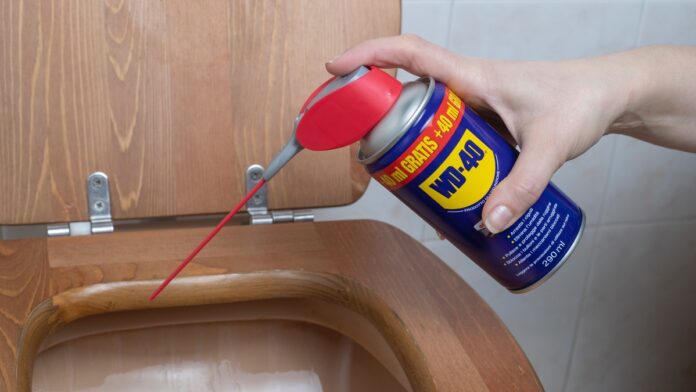
What you should not use WD-40 for. Photo: Wikimedia/ajay_suresh/CC-BY-2.0 (edited)

1. clean toilet or shower

Avoid cleaning your toilet or shower with WD-40 at all costs. The penetrating oil would enter the waste water via the drain and harm the environment. To clean the toilet, it is better to use classic cleaning agents or household products.

2. clean the rubber

The penetrating oil can dissolve or damage rubber. It should therefore not be sprayed onto tires, rubber mats or other rubber parts. Instead, use a special rubber care product.

3. do not use WD-40 as a lubricant

Many people use penetrating oil to make hooked locks, grinding hinges or bicycle chains work again. However, WD-40 is not a lubricant and should not be used for these purposes. You can clean such objects with the penetrating oil, but they still need to be greased afterwards.
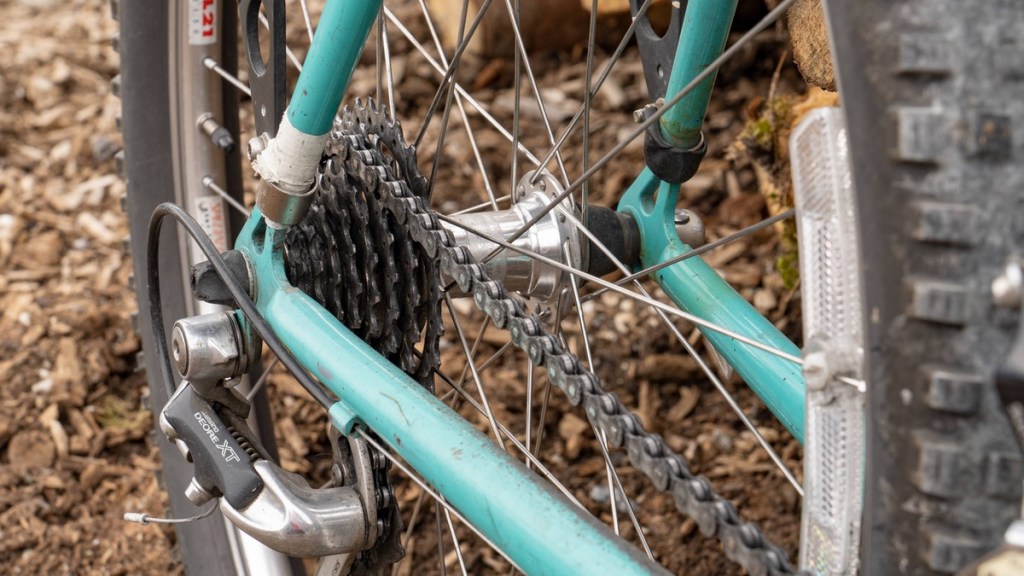
Close-up of a bicycle chain.
It is better not to use penetrating oil as a lubricant for bicycle chains. Photo: IMAGO / Michael Kristen

4. do not use WD-40 on plastic

WD-40 removes the plasticizer from plastic surfaces or plastic parts. The material becomes porous through the use of penetrating oil and can break off. It is better to use a solvent-free silicone spray to lubricate and clean plastic. The same applies to wood – the penetrating oil can dry out and damage the wood.

5. cleaning textiles with penetrating oil

If you treat textiles with penetrating oil, e.g. to remove stains, discoloration may remain on the material. Therefore, check beforehand on an inconspicuous area how the material reacts on contact with the penetrating oil.

This otherwise versatile product is also not suitable for use on sports equipment (e.g. skis or snowboards), musical instruments or electronic devices. If you are unsure, you should do more research to find out whether the supposed miracle oil is suitable for your project. For these 11 household problems, however, you can use the penetrating oil without hesitation.

1080x1080 whatsapp

Source: t-online
Preview image: ©
Wikimedia/ajay_suresh/ CC-BY-2.0
If your peonies don’t open, this trick will ensure a magnificent bloom

0

Are you looking forward to the lush blooms of your peonies, but the buds just stay closed? Don’t worry – you’re not alone with this problem! When peonies don’t open, it’s often due to small mistakes in care or the wrong location. With a few simple tricks, you are guaranteed to get your flowers to bloom.

Pay attention to the right location

Peonies love the sun! If your peonies are not coming up, first check whether they are getting enough light. A semi-shady spot is often not enough. They need at least six hours of sun a day to develop their full strength. If necessary, you can transplant them in the fall – this will give them the best conditions for the next bloom.

Give them enough nutrients

Peonies that are lazy to flower sometimes suffer from a lack of nutrients. Provide them with a phosphorus-rich fertilizer in spring 🛒. Avoid too much nitrogen – this will make them grow but not flower. Compost or horn shavings also work wonders.

Remove sticky coatings on the buds

An ingenious trick: If the buds feel sticky, a sugar secretion is often blocking them from opening. Carefully wipe the buds with a damp cloth – this helps the flowers to open. Ants can also help to remove this sticky layer – you don’t have to chase them away.

Carefully remove the adhesions so that you can soon enjoy your peonies in all their glory. Photo: IMAGO / Shotshop

Too little water

Make sure that your plants get enough water. Prolonged dry periods in particular can mean that peonies cannot put enough energy into producing flowers.

Patience pays off

Peonies sometimes take a few years to get properly established. If you have recently planted them, give them some time. The important thing is not to cut them back too early and leave the foliage after flowering – that way they gather strength for the following year.

This helps with cut flowers

Have you brought peonies from the garden or the market and bought very closed stems so that you can enjoy them for a long time? If so, you may find that they are struggling to unfold their flowering splendor. Here are a few tips for peonies in a vase:

  • Loosen stickiness: Like the peonies in the garden, the cut flowers also have to contend with adhesions that prevent the flowers from opening. You can now spray the flower heads with water and massage them very gently or hold them upside down under the tap and carefully wash off the secretions. This should remove the sticky sap and open the peonies.
  • Remove the leaves: If there are too many leaves on the stem, they will rob the flower of its strength. Therefore, if possible, remove all greenery and place it separately in the vase if you want some leafy greenery between your peonies. The leaves should also not be left hanging in the flower water, as this leads to rotting.
  • Wrong time: Sometimes peonies are cut too early. Don’t cut or buy peonies until you can see the color of the petals.

You may also be interested in these articles:


If peonies don’t open, you can provide targeted help

You don’t have to be annoyed if your peonies don’t open. With sun, fertilizer, care and a little patience, you can make even the most hesitant bud shine. Give it a try – and look forward to a blooming garden paradise!


1080x1080 whatsapp

Source: Blumigo, Focus

Freeze coffee without ruining the taste: Here’s how

0

Do you have a stash of coffee beans or ground coffee that you can’t use up quickly enough? The question of whether to freeze coffee is one that concerns many coffee lovers. In some cases, freezing can actually help preserve the valuable aroma – but in other situations, it can do more harm than good to the taste. If freezing is not an option, the classic storage method remains: coffee lasts much longer when stored in an airtight, dark and dry place.

Freezing coffee: It all depends on the packaging

Freezing coffee is possible in principle, but requires a few precautions. The biggest advantage is that the low temperatures can Preserve flavors – but only under certain conditions. The chances of success are better with whole beans, as they offer less surface area for air and moisture to attack. Ground coffee, on the other hand, is more sensitive to temperature fluctuations.

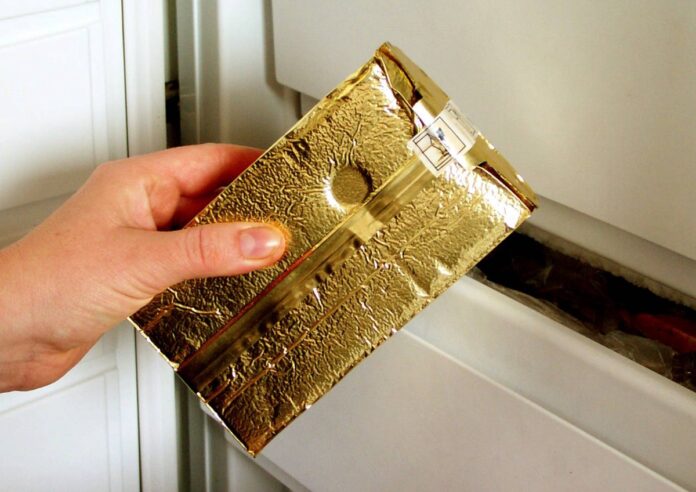
Should you freeze coffee? Photo: genialetricks.de via Midjourney

The decisive factor is the airtight packaging in small portions. If coffee comes into contact with too much oxygen or draws moisture from the freezer, its taste suffers considerably. This would be particularly annoying with expensive specialty coffees. When defrosting, you should only ever remove the amount that you will use immediately and never refreeze it – otherwise there is a risk of condensation and further loss of flavor.

Tips for the perfect freshness kick

There are effective methods for keeping coffee fresh for longer, even without freezing. Whole beans generally retain their aroma longer than ground powder. One high-quality coffee grinder is therefore a sensible investment if you only want to grind the amount you need freshly. Always store your beans in tightly sealed glass or metal containers that do not allow oxygen to pass through.

If you don’t have space in the freezer or don’t want to freeze anything, buying smaller quantities on a regular basis can be the best solution. This avoids loss of quality due to prolonged storage. Also a dark, cool storage location away from sunlight and heat sources will help to preserve the full flavor of your favorite coffee.


You may also be interested in these articles:


What happens to the ingredients when freezing?

When food is frozen, valuable ingredients are largely preserved. Although coffee is not primarily a source of nutrients, it is mainly used for its characteristic aroma and the caffeine are valued, these properties can be well preserved with correct deep-freeze storage.

The same applies to other products such as dairy products or herbs, which can retain their flavor through proper freezing. quality for months. The golden rule is: the faster and more airtight the packaging is frozen, the better the taste and properties are preserved – whether it’s coffee, fresh herbs or fruit.

Checklist: Freezing coffee in 5 simple steps

  • Only fresh Freeze fresh coffee (ideally beans).
  • In airtight Containers without residual air.
  • In small portions fill for one-time removal.
  • Labeling with date and variety.
  • After defrosting consume immediatelydo not refreeze.

This article was created in part with machine support and carefully checked by the editorial team before publication.


Leftover cucumber water: how to use it in the home and kitchen

0

Cucumber water: Most people pour it down the sink, some like to drink the infusion, while others pour it down the toilet. The latter is not so bad, by the way, because it cleans the toilet. There are also many other ways to use cucumber water.

In addition to classic things like salad dressing or as a home remedy for heartburn, this article also gives you tips on how to use cucumber water that you probably didn’t know about.

13 tips for using up leftover cucumber water

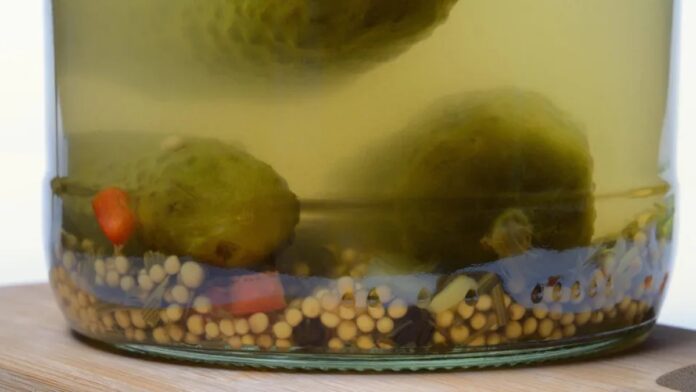
Leftover cucumber water can be used in a variety of ways. Photo: IMAGO / imagebroker

1. soothe sunburn

Pickle juice can provide relief if you have fallen asleep in the sun again. Soak a cotton ball in the juice and dab it on the sunburn. The vinegar in the liquid helps to soothe the burning sensation.

2. as a cocktail ingredient

Party guests will squirm in anticipation if you serve a cucumber cocktail. But this simple recipe has won over many a skeptic: Take a shaker filled with a little ice and mix 6 cl of vodka with 9 cl of cucumber water. Shake well and then pour into a martini glass. You can add a small cucumber to the glass “for the eye”.

Cucumber in a cocktail.
Cocktails can be refined with cucumber water. Photo: alpaksoy via Getty Images

3. soothe a hangover

After a party where a lot of alcohol was involved, your body is dehydrated, so the next morning the painful hangover comes knocking. Before you crawl back into bed, you should take a few sips of cucumber juice. It not only supplies the body with fluids, but also with the necessary minerals that it has lost through the consumption of alcohol.

4. prevent cramps

Fitness trainers recommend drinking around 60 ml of cucumber juice in addition to water after every sporting activity. This not only hydrates the body, but also has a cooling effect. Regularly drinking the vinegary juice is also said to prevent (night-time) cramps.


You may also be interested in these articles:


5. salad dressing

You can also use cucumber water in your salad dressing as a substitute for vinegar. Mixed with yoghurt, it also makes a creamy salad dressing for pasta or potato salad, in which cucumbers are usually used anyway.

6. against colds and sore throats

If you notice that a cold is coming on or you already have a sore throat, you can counteract it with cucumber water. You can do this by drinking a tablespoon of cucumber juice several times a day. The vinegar is just as effective as cough syrup, only much more natural.

7. prevent heartburn

Gherkins are often pickled in a mixture of vinegar and honey. Both ingredients are particularly good for the stomach. A small sip of this acidic mixture before eating can help prevent stomach cramps.

You can find 6 more tips on how to use cucumber water on the next page.

Freeze tomatoes: What makes the difference

0

Tomato season is in full swing: your harvest basket or market stock is overflowing. Before the fruits become overripe or even end up in the bin, it’s worth taking a look at sensible ways to preserve them. Freezing tomatoes is a particularly simple and effective method. Alternatively, you can boil them down or dry them – depending on how you want to use them later.

Freeze tomatoes: An airtight solution

Tomatoes contain around 95 percent waterwhich is why they lose their firm structure after freezing. This is exactly what makes them ideal for sauces, soups or stews – wherever consistency is not the main focus, but flavor is.

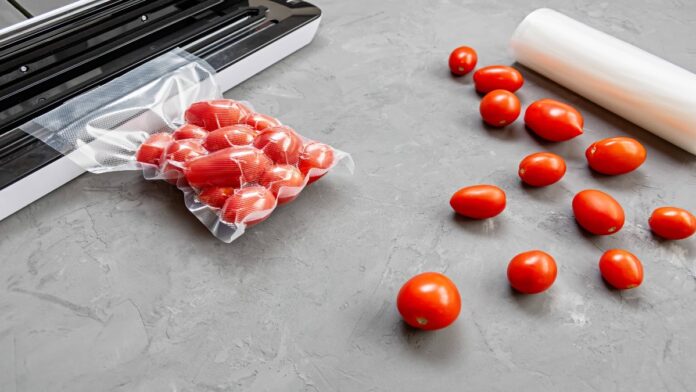
Before freezing tomatoes, wash them thoroughly and remove the seeds. stalk. You can freeze them whole or cut them into small pieces. If you don’t want the skin to bother you later, it’s worth blanching them first: Heat briefly in boiling water, then rinse in cold water and peel off the skin. Then simply put them in freezer bags or tins and and seal airtight. Tomatoes will keep in the freezer for about six to nine months.


You might also be interested in these articles:


Making the most of frozen tomatoes

Frozen tomatoes are best used straight away. further processin a sauce or stew, for example. This preserves the flavors better than if you defrost them slowly. If the skin is still on, you can simply peel it off under hot water – even when frozen.

For a better dosage, it is advisable to peel tomatoes before freezing. dice or quarter. This means you can always take exactly the amount you need. Alternatively, you can also boil or dry tomatoes to preserve them for longer and save space.

Preserve nutrients when freezing

Freezing changes some heat-labile nutrients such as vitamin C, which is partially broken down. However, the lycopene content – a natural colorant with an antioxidant effect – remains stable and can even become more available through heating.

Other vegetables such as broccoli, carrots or spinach retain most of their nutrients when frozen correctly. With the right preparation, you can ensure fresh ingredients all year round and reduce food waste.

Checklist: Freezing tomatoes made easy

  • Preparation: Wash the tomatoes and remove the stalk – leave whole or cut as required.
  • Blanch: Optional for easier peeling – heat briefly in boiling water and quench.
  • Portioning: Fill with whole tomatoes, chunks or cubes depending on the intended use.
  • Pack airtight: Seal well in freezer bags or tins to avoid freezer burn.
  • Label: Note the freezing date – shelf life approx. 6 to 9 months
  • Use: Ideal for sauces, soups, stews – use straight from the freezer.

This article was partly created with the help of a machine and carefully checked by the editorial team before publication.


One step makes all the difference when freezing strawberries

0

It’s high season for strawberries – and you’ve collected more hulls from the weekly market or a trip to the strawberry field than you can eat in the next few days? Then you should process the fruit quickly, because strawberries spoil quickly. A simple solution: freeze the strawberries. This allows you to preserve their fruity taste for months – ideal for smoothies, desserts or baking.

If your freezer doesn’t have enough space, you can also boil or dry the berries. And if they are already too soft or moldy, they belong in the organic waste garbage can – not in the compost, as they can quickly go moldy there.

Freezing strawberries – how to do it right

If you want to freeze strawberries, the correct preparation is crucial. First, the berries are washed thoroughly and dried well. Residual moisture encourages the formation of ice crystals, which can affect the texture after thawing.

Then remove the green leaves and the stalk. Whether you freeze the strawberries whole or halved, depends on the intended use. Pre-freezing has proven to be a good method: Place the berries individually next to each other on a tray and freeze them for two to three hours. You can then transfer them to freezer bags or tins – this way they don’t stick together.


You might also be interested in these articles:


Tips for storage and use

To preserve the quality of frozen strawberries, airtight packaging is particularly important. High-quality freezer bags or stackable tins prevent freezer burn and help to preserve the frozen strawberries. protect the aroma. Label the packaging with the freezing date – strawberries can be kept in the freezer for up to eight months.

You can use the frozen berries straight away – for smoothies, yogurt or fruit ice cream, for example. For cakes or muesli, we recommend a slow defrosting in the fridgeto preserve the taste and consistency as much as possible. Thaw best only thaw as much as you need.

If freezing is not possible after all, you can use strawberries as an alternative to jam, puree or fruit sauces ideal for a tasty stock even out of season.

How do cold and storage affect nutrients?

Freezing strawberries is one of the most gentle preservation methods. The delicate berries retain most of their valuable ingredients, especially vitamin C. It is important that they are frozen as fresh as possible – preferably immediately after purchase or harvest.

Compared to other preservation methods, such as preserving with sugar, frozen strawberries often perform better: they do not require any additional sweeteners or preservatives and retain their natural taste. Other foods such as spinach, herbs or broccoli also benefit from freezing – provided that they are properly prepared.

Checklist: Freezing strawberries made easy

  • Wash and dry: Clean berries thoroughly and dry completely to avoid ice crystals
  • Remove the stalk: Cut off green leaves and stems – freeze berries whole or halved
  • Pre-freeze: Freeze strawberries individually on a tray to prevent them from sticking together
  • Airtight packaging: Use freezer bags or tins, seal as airtight as possible
  • Label: Note the freezing date – strawberries keep for up to 8 months
  • Use: Frozen ideal for smoothies, defrosted perfect for cakes or muesli

This article was partly produced with machine assistance and carefully checked by the editorial team before publication.


Freeze blueberries: This mistake will make them mushy

0

Summertime is berry time – and sometimes you just end up with one basket too many in the kitchen. Maybe you picked blueberries yourself or couldn’t resist them when you went to the market. But what do you do if you can’t finish the berries in time? To Mold and mushy spots freezing is a particularly effective method. Alternatively, blueberries can also be boiled down, dried or used directly in smoothies, muesli or baked goods.

Freeze blueberries: Fruit must be dry

Freezing blueberries is uncomplicated and preserves their fruity taste for many months. Proper preparation is important: wash the berries thoroughly and then allow them to dry well. Wet berries tend to form ice crystals when frozen – this can have a negative effect on the texture.

Lay the dry blueberries out side by side on a baking tray lined with baking paper and pre-freeze them for two to three hours. Due to the so-called Shock freezing the berries can later be removed individually from the freezer bag. After pre-freezing, you can transfer them to airtight freezer bags or stackable freezer tins. Blueberries will keep for up to a year at a constant -18 °C.

After defrosting, blueberries are slightly softer than fresh, but retain their flavor. They are ideal for baking recipes, compotes or smoothies.


You might also be interested in these articles:


How to store blueberries optimally

If freezing is not an option, you can also store blueberries for a few days in the Refrigerator. It is best to store them flat on kitchen paper in an open container. This prevents excess moisture from sticking to the berries and keeps them fresh for up to seven days.

For a longer shelf life, it is also worth preserving them – for example to make jam or fruit spread. Another method is drying: the berries are dried in a dehydrator or oven at a low temperature to make a fruity-sweet snack with a long shelf life.

What happens to the nutrients when freezing?

When freezing, most of the valuable ingredients of the blueberries. Vitamins such as C and K as well as antioxidant plant substances survive the cold shock well – especially if the berries are processed fresh. A small proportion of the heat- or light-sensitive vitamins may be lost, but this loss is minimal.

Other fresh foods such as herbs, bananas or vegetables are excellent for freezing. Stocking up regularly not only saves money, but also reduces food waste in everyday life.

Checklist: Freezing blueberries made easy

  • Prepare: Wash the blueberries thoroughly and leave to dry completely.
  • Pre-freeze: Spread the berries individually on a tray and freeze for 2-3 hours.
  • Pack airtight: Transfer to freezer bags or tins and seal well.
  • Label: Note the freezing date on the packaging – maximum shelf life: 12 months.
  • Use: Frozen for smoothies and yoghurt, defrosted for cakes, compote or porridge.

This article was partly produced with machine assistance and carefully checked by the editorial team before publication.


Washing the bath mat: These two mistakes can ruin your washing machine

0

They are controversial: Bath mats and bath rugs repel many, while others consider them indispensable. However, washing bath mats is hygienically important. There are two things to bear in mind to prevent damage to the washing machine!

Washing bath rugs and bath mats

It is inevitable that dust, dander and hair will accumulate in bath mats and bath rugs. Moisture can also cause mold to form in the fibers. And last but not least, to prevent the spread of athlete’s foot, it is important to wash your bath mat, rug or bath mat regularly.

This can normally be done easily in the washing machine. But before we explain what you need to bear in mind, let’s first answer the question of how bath mats and bath rugs actually differ.

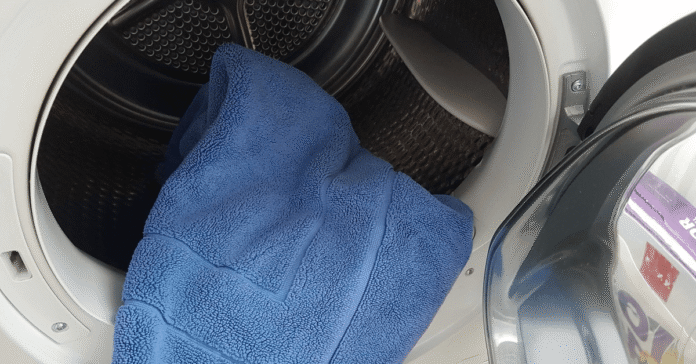
Washing bath mats: Avoid these two mistakes. Photo: FUNKE Digital

Bath mat or bath rug: What’s the difference?

Bath rugs are generally made of synthetic fibers such as polyacrylic or polyester. They are also larger and heavier than bath mats. Bath mats, on the other hand, tend to be smaller and are usually made from natural fibers such as cotton.

However, the transitions are fluid and there are also regional differences in the names. For this reason, both bath rugs and bath mats are mentioned equally in this article, although the problems with washing primarily relate to the larger bath rugs.

Two mistakes when washing with the washing machine

There are two mistakes to avoid when washing bath mats and rugs.

1st mistake: Too heavy

An old household rule says that you should always leave a hand’s breadth of space in the drum to protect the washing machine from overloading. Many experts now consider this rule to be outdated, as the washing drums of modern machines are full before the maximum weight is reached.

However, this only applies to items of clothing. However, bath mats and bath rugs are large and heavy – and they soak up a lot of water, which increases their weight even more. This can be a problem when spinning in two ways:

  • In the more favorable case, the washing machine’s imbalance control comes into play: this balances out the spin cycle or cancels it. The bath rug comes out of the washing machine soaking wet.
  • In the worst case, the unbalance control does not work and the washing machine can be damaged – over time – due to the heavy weight: Expensive bearing damage is imminent.

Here you will find external content from Flickr that is recommended by our editorial team. It complements the article and can be displayed and hidden again with one click.

I agree that this external content may be displayed to me. Personal data may be transmitted to the provider of the content and third-party services.

With or without unbalance control: A permanent heavy load can shorten the service life of your washing machine. For large, heavy bath mats and bath rugs, you should therefore always pay attention to the maximum load limit of the washing machine.

2nd mistake: Too hot

Bath mats and bath rugs often have a rubber coating on the underside 🛒. This is to prevent slipping on smooth tiles. Bath mats and rugs with a rubber coating should be washed at a maximum of 40 °C on a gentle cycle. If you wash them at 60 °C or higher, the rubber coating can come loose and stick to the inside of the washing machine. If the detached rubber pieces stick to inlets and outlets as well as sensitive parts, this can restrict the function of the washing machine and result in expensive repairs.

Bath mats made of pure cotton and without rubber can of course also be washed at 60 °C.

You should therefore read the manufacturer’s care instructions carefully before washing bath mats and rugs. Because even if they do not immediately cause damage to the washing machine, the mistakes can cost a lot of money in the long run.

Sources: frag-team-clean, familyhandyman

1080x1080 whatsapp


“Dishwasher-safe” or “dishwasher-safe”: you should know the difference

0

Washing dishes in the dishwasher is very simple: put the dirty dishes in, press the button and you’re done. But wait a minute! It’s not quite that simple, after all, not every piece of crockery and cutlery can withstand machine washing. If you’ve ever wondered whether a particular item is dishwasher-safe or dishwasher-safe, you should read on quickly.

Manufacturer symbols are supposed to help here – and at the same time cause confusion, as consumer advocates criticize. Not only are the symbols inconsistent, but only very few people are familiar with their meaning, which leads to extremely annoying surprises.

What does the crockery symbol mean?

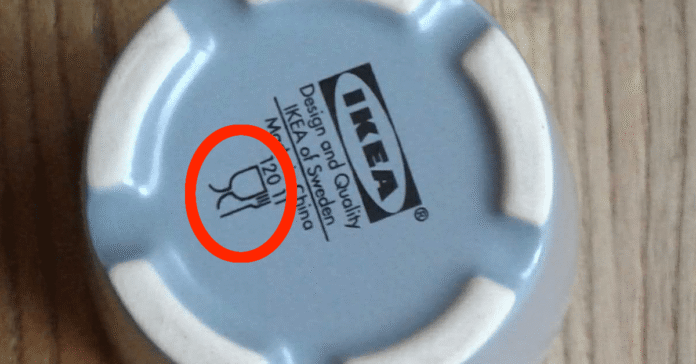
The glass and fork symbol, which is often found on crockery and storage containers, is probably the most confusing. Here you can find out why it is sometimes printed, but sometimes not, and why the symbol basically says nothing about whether the dishes can go in the dishwasher.

“Dishwasher-safe” or “dishwasher-safe” – this is what the symbol on the cup means. Photo: Media Partisans/FUNKE Digital

Everything that is intended for the preparation or storage of food needs to be labeled accordingly. This makes it possible, for example, to distinguish a salad bowl from a decorative bowl. There is an exception for crockery and cutlery that is clearly intended for food contact – such as a bread knife.

The glass-fork symbol guarantees that no harmful substances are released into food when used correctly. However, it does not matter whether the label is on the product or on the packaging. The NRW Consumer Protection Agency criticizes this. It is calling for uniform and permanent labeling on tableware.

Important: The glass and fork symbol does not mean that the dishes can automatically be put in the dishwasher! Plastic kitchen utensils in particular can be damaged in the dishwasher, causing them to deform or release harmful substances.


You may also be interested in these articles:


Dishwasher-safe or dishwasher-safe? What’s the difference?

There is no mandatory labeling as to whether dishes can be put in the dishwasher or not. The information provided by manufacturers is therefore neither standardized nor binding. The only difference is the “dishwasher-safe” label.

  • Dishwasher-safe: If a manufacturer describes its crockery as “dishwasher-safe” or “dishwasher-suitable”, then it can go in the dishwasher. However, how often and at what temperature remains uncertain. So you need to be aware that these dishes may well deform or lose their color in the dishwasher. The symbol also looks different depending on the manufacturer.
  • Dishwasher safe: However, there are clear standards for the “dishwasher-safe” label. And the water jet symbol is also standardized. However, as certification as “dishwasher-safe” is quite complex and expensive, it is generally only found in the catering sector or on high-priced products. The number above the water jet symbol indicates how many dishwasher cycles the dishes are guaranteed to withstand without damage.

Conclusion

Before you put dishes in the dishwasher, you should find out whether they are suitable for it. The glass and fork symbol has nothing to do with this! On the other hand, most dishwasher symbols are inconsistent. They do not guarantee that the dishes will survive several wash cycles or wash cycles at high temperatures. Here you have to rely on your eye – and replace brittle, discolored or deformed dishes if necessary.

Source: verbraucherzentrale.nrw

1080x1080 whatsapp

Ingenious trick: clean the dishwasher with vinegar

0

In many households, the dishwasher is in use several times a week. But contrary to popular belief, the machine does not clean itself during the wash cycle. Although it may seem obvious that the combination of warm water and dishwasher detergent cleans the inside of the appliance, this is (unfortunately) not the case. If your dishwasher smells after the wash cycle and the dishes are no longer really clean, you should clean your dishwasher – preferably with vinegar!

Simple household remedy ensures cleanliness

Cleaning household appliances is a rather unpopular task. Or when was the last time you cleaned your vacuum cleaner? And the dishwasher should also be thoroughly rinsed at regular intervals – at best every 4 to 8 weeks. There are special products on the market that promise hygienic cleanliness. The best cleaning agent is already in your cupboard!

If your dishwasher is smelly, a simple household remedy will help! Photo: IMAGO / Jochen Tack

All you need to clean your dishwasher is a little vinegar. It is best to use table vinegar, as the acid concentration of table vinegar is quite low at 5% – and it is also diluted by the rinsing water! This prevents damage to the rubber seals of your machine. You can simply pour the vinegar into the detergent compartment.


You may also be interested in these articles:


Cleaning the dishwasher with vinegar: How this popular household remedy works

Vinegar has always been known as a powerful limescale remover. And so it also ensures that limescale deposits inside the dishwasher are gently removed. Select a program with high temperatures for the wash cycle, the dishwasher should be empty. You should avoid pre-rinsing.

To enhance the effect of the vinegar, you can sprinkle two tablespoons of baking soda on the bottom of your empty dishwasher. You’ll be surprised how clean and shiny your dishwasher will be after the vinegar wash cycle! Now nothing stands in the way of clean dishes.

FAQ

Can I clean the dishwasher with a tab while it is idle?

Yes, you can clean the dishwasher with a tab while it is idling. This helps to remove deposits or odors. It is important to run the cleaner at a high temperature to achieve optimum results.

Can you clean the dishwasher with citric acid?

Yes, you can use citric acid to clean the dishwasher. Citric acid helps to dissolve limescale and grease. Simply add some citric acid powder or solution to the detergent compartment and start a hot cleaning cycle on empty. However, be careful not to use too much, as the acidic environment could damage sensitive parts.

Is vinegar harmful to the dishwasher?

Vinegar can damage the seals and rubber parts of the dishwasher if used frequently. Although it is an effective cleaning agent against limescale and grease, its acidity could cause material wear in the long term. For occasional cleaning, it is usually harmless in moderate quantities. If you want to use vinegar, it is best to choose the diluted version and make sure that it does not get directly onto sensitive parts.

Source: merkur.de

1080x1080 whatsapp