
Unraveling the psychological traps in gambling behavior
The Illusion of Control
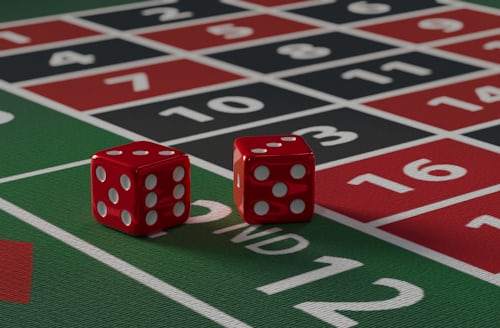
One of the most pervasive psychological traps in gambling behavior is the illusion of control. This cognitive bias leads players to believe they have more influence over the outcome of games than they actually do. For example, many gamblers may feel that they can predict a dice roll or affect the outcome of a card game through their actions, despite the underlying randomness of these games. This belief can encourage riskier behavior, as players may continue to gamble with the false notion that they can manipulate the odds in their favor. At OdinFortune Casino, odin fortune can often tempt players into believing they have strategies that defy probability.

The illusion of control is further exacerbated by the design of many gambling games. Slot machines often feature near-miss scenarios, where players come close to winning but do not. These experiences can reinforce the belief that they were just one spin away from a jackpot, prompting them to continue playing in hopes of finally achieving that success. The excitement surrounding these near-misses can create a false sense of skill, further entrenching players in their gambling habits.
This cognitive distortion not only leads to increased gambling but can also have detrimental effects on an individual’s mental well-being. As players chase losses and engage in more reckless behavior, they may find themselves trapped in a cycle of gambling addiction. Understanding the illusion of control is crucial for recognizing when one is falling into this psychological trap and seeking help when needed.
The Gambler’s Fallacy
The gambler’s fallacy is another significant psychological trap that can distort a gambler’s decision-making process. This fallacy occurs when individuals believe that past events influence future outcomes in random games of chance. For instance, a player might think that if a coin has landed on heads several times in a row, it is more likely to land on tails next. This misconception can lead to poor betting strategies and increased losses.
This belief in patterns where none exist often causes gamblers to place bets based on superstition rather than statistical reality. They may think they are due for a win after a losing streak, prompting them to wager larger amounts to recoup losses. Such behavior can exacerbate financial issues and increase emotional distress, contributing to a problematic gambling cycle. Recognizing the gambler’s fallacy can help individuals make more informed decisions, grounded in reality rather than misguided beliefs.
Moreover, the gambler’s fallacy can affect how players view their chances of winning in different games. For instance, a player who has just lost several hands in poker might overestimate their likelihood of winning the next round, leading them to make bets that are not strategically sound. By understanding this fallacy and its implications, gamblers can better equip themselves to avoid its pitfalls and adopt a more rational approach to their gaming habits.
The Allure of Near-Wins
The phenomenon of near-wins, or almost winning, is a psychological trap that keeps many gamblers engaged. Near-wins occur when a player comes close to winning but ultimately does not. This experience can elicit feelings of excitement and anticipation, tricking the brain into believing that a win is imminent. For example, in slot machines, players may experience the excitement of seeing two symbols align with a third just out of reach, reinforcing their desire to keep playing in hopes of achieving a win.
This emotional high from near-wins can lead to an increased likelihood of gambling, even when it is not financially prudent. Gamblers may overlook their losses and focus instead on the thrill of what could have been, which can lead to distorted perceptions of success. The result is often an escalation of gambling behavior, as players become conditioned to seek out that exhilarating rush from the near-win experience.
Furthermore, near-wins can make it difficult for gamblers to recognize the amount of money they are losing. They may rationalize their continued play by focusing on the excitement rather than the reality of their financial situation. By understanding the psychological impact of near-wins, gamblers can better manage their expectations and develop healthier gaming habits that prioritize enjoyment over the chase of elusive wins.
The Role of Cognitive Dissonance
Cognitive dissonance plays a crucial role in gambling behavior, particularly when individuals experience a conflict between their actions and beliefs. For example, a gambler may value financial stability yet find themselves spending beyond their means in pursuit of wins. This internal conflict can lead to feelings of discomfort and justification, causing the individual to rationalize their behavior, often by downplaying the negative consequences of their actions.
As gamblers face the realities of their financial losses, cognitive dissonance can cause them to alter their perceptions of gambling. They might convince themselves that they will eventually win back their losses or that they are simply ‘due’ for a win. This rationalization can lead to a dangerous cycle where individuals continue gambling in hopes of rectifying their situation, often leading to deeper financial and emotional issues.
Recognizing cognitive dissonance in gambling behavior is essential for breaking this cycle. By acknowledging the dissonance between their beliefs and actions, gamblers can take steps to realign their behaviors with their values. This awareness can pave the way for healthier decision-making and ultimately help individuals regain control over their gambling habits.
Exploring Responsible Gambling with OdinFortune Casino
OdinFortune Casino is committed to providing a safe and enjoyable gaming environment for its players. Understanding the psychological traps in gambling behavior is vital for fostering responsible gambling practices. The platform offers various resources and tools to help players stay in control of their gaming experience, ensuring they can enjoy the excitement of online gaming without falling into harmful patterns.
With a wide selection of games, generous bonuses, and a focus on user security, OdinFortune Casino empowers players to make informed decisions. The casino prioritizes transparency and provides users with insights into their gaming habits, helping them recognize when they may be straying into risky territory. By promoting responsible gambling, OdinFortune Casino aims to create an engaging yet safe gaming atmosphere.
Joining OdinFortune Casino means embracing a gaming experience tailored to personal needs while being aware of the psychological aspects of gambling. Players are encouraged to take advantage of the resources available, ensuring that their gaming remains fun and responsible. This commitment to user well-being is a hallmark of the OdinFortune experience, reinforcing its reputation as a trusted name in online gaming.