
Home Blog Page 2291

Washing: Vinegar kills the machine? 10 myths in the fact check

0

How you wash your dirty laundry is up to you. The French, for example, like it uncomplicated, manufacturers build their own music chips into Chinese washing machines, in the USA they mainly wash cold and add bleach, while in Italy the washing machine is often left outside.

However, there are some washing habits that have been proven to be wrong and yet are more persistent than a curry stain on white trousers. Whether it’s crude tips circulating on the internet or so-called “expert knowledge” that has been repeated over and over again for decades – 10 widespread laundry myths are finally clarified below:

30-degree laundry can be washed at 40 degrees without any problems

Washing recommendations in garments are voluntary information provided by the manufacturer. With a little experience, you can confidently interpret them as you see fit. However, the blanket rule “+10 °C is no problem” is not recommended. This is because delicate fabrics such as wool or silk react extremely sensitively to this temperature difference. If such fabrics are heavily soiled, it is therefore better to pre-treat them and wash them at the specified maximum temperature.

The washing machine eats socks

Lonely socks looking for their matching counterpart are probably commonplace in all households. However, the tale of the sock-eating washing machine is only true in very, very rare cases. It can certainly happen that a sock slips through a loose rubber seal in an old washing machine. As a rule, however, the lost sock partner will have slipped into a comforter cover, behind the wardrobe or into the wrong drawer.

Do not leave wet laundry in the drum

Laundry forgotten in the machine – is that bad? Credit: jozsitoeroe – stock.adobe.com

There is also a grain of truth behind this fairy tale. If you leave wet laundry in the drum for a long time, it will start to smell. However, this only happens after several hours. So there’s no need to get stressed just because you can’t hang up the laundry as soon as the wash cycle is finished.

Vinegar damages the machine

Opinions differ on vinegar. Some consider it an ecological substitute for fabric softener, others are afraid that the acid could attack the rubber seals. However, the acidity of 100 ml of 5% vinegar diluted with 50 liters of washing water and alkaline soap suds is far too low to be dangerous. Conversely, its limescale-dissolving properties in this concentration are only marginal. Nevertheless, the vinegar does no harm. So if you want to get the stubborn smell of sweat out of shirts, you can safely soak them in vinegar water before washing them.

Seasoning laundry with salt and pepper

What sounds strange was recommended for a while on the Internet and even in some television programs. The pepper is supposed to remove gray haze by rubbing dirt and detergent residues out of the fibers like fine sandpaper – but how much pepper would be necessary for such an effect remains a mystery. Salt, in turn, is supposed to protect the colors of colored laundry. However, salt only helps with fresh red wine stains. The myth that salt can keep colors bright probably comes from the fact that salt is used in the batik process.

Sorting is no longer necessary these days

Sorting laundry is annoying but unavoidable despite modern detergents and so-called “color-catching cloths”. The effectiveness of the latter is also extremely controversial: some users are firmly convinced by the microfiber cloths, but laboratory tests have not been able to prove any significant effect. So, even in the 21st century, the following still applies: full detergent for whites and boiled laundry, color detergent for colored laundry. And the black and white striped top goes into the colored wash – because in case of doubt, it is better that the white stripes turn grey than that the entire white wash becomes dull.

3 tablespoons of detergent are enough

Tons of detergent pollute the environment. Nevertheless, detergent should not be used too sparingly when washing. Because even if the clothes do not have any visible stains, detergent has a second function: it acts as a water softener and prevents the washing machine from calcifying. If you follow the dosage instructions according to the water hardness level, no additional descaler is required. However, if you use little or homemade detergent – made from ivy, for example – you will need additional protection against limescale damage.

Detergent used to be more environmentally friendly

Is everything getting worse? The opposite is true for detergents. In the past, detergents contained significantly more environmentally harmful ingredients and fillers. Nevertheless, washing laundry remains a problem for the environment. It is therefore better to wash at low temperatures and use detergents that are also environmentally friendly and biodegradable. Unfortunately, the label “organic” is not enough, as this usually only refers to the origin of the raw materials. NABU recommends the “Blue Angel” seal or the “EU Ecolabel”.

Sanitizer helps against germs

Of course sanitizer helps against germs. However, as most germs are already eliminated at 40 °C with a heavy-duty detergent, this is still a laundry fairy tale. In the case of fungal diseases or dangerous infections, you should wash at 60 °C. Hygiene rinsers are only used if the child with norovirus has spat on the silk scarf. You can find out more hygiene myths here.

Towels stay fluffy with fabric softener

Over time, towels become hard and scratchy after washing. This is called “dry stiffness”. There are two reasons for this phenomenon: Firstly, limescale builds up in the fibers, and secondly, the fibers are flattened by the washing drum and become matted. Fabric softener helps to prevent matting by forming a protective film around the fibers. However, this protective film is also the problem: it reduces the absorbency of the towel. As there are several reasons not to use fabric softener anyway, the following applies even more to fluffy towels: either put them in the dryer or shake them out vigorously after washing and occasionally rinse them with vinegar water.

Sources: bewusst-haushalten, berliner-zeitung
Laundry: Sweaters shrunk – A simple tip warns you in advance

0

Whether made of wool, cotton or synthetic materials – every sweater needs the right care to look as good as new even after many washes. However, when washing sweaters in particular, mistakes are often made that lead to deformation, matted wool or faded colors. With the right tips, you can wash your sweater in such a way that it retains its shape and color. And stays nice and cozy.

Washing sweaters: check the care label and avoid mistakes

Before putting your sweater in the washing machine, you should definitely check the care label. Here you will find valuable information on the washing temperature, the appropriate program and whether your sweater is machine washable at all. Particularly delicate materials such as wool, cashmere or angora require careful handling and should often only be washed by hand.

You should definitely avoid these mistakes when washing sweaters. Credit: producer – stock.adobe.com

Sort your sweaters by color and material before you wash them. Dark, intense colors such as black, dark blue or red can stain and should be washed separately from lighter-colored garments. It also protects your sweaters if you turn them inside out before washing.

The right wash cycle: gentle and appropriate for the material

Sweaters made from hard-wearing materials such as cotton or polyester can usually be washed in the washing machine without any problems. Select a gentle or delicate wash program at a maximum of 30 to 40 degrees. A low spin speed (maximum 600 revolutions per minute) is gentle on the fiber structure and prevents your sweater from stretching out.

For delicate fabrics Wool sweater a special wool wash program at low temperatures is ideal. Use a detergent that has been specially developed for wool or delicates. Conventional detergents often contain enzymes that attack wool fibers and can destroy your garment.

For delicate materials such as merino wool hand washing is often the gentlest method. All you need is lukewarm water and a mild wool detergent. Soak the sweater briefly, then move it gently in the water and rinse carefully. Avoid vigorous rubbing or wringing as this can damage the fibers.

Dry properly: How to keep your sweater in shape

After washing, proper drying is the key to keeping the shape of your sweater. Avoid the tumble dryer at all costs – the high temperatures can shrink materials such as wool or damage synthetic fibers.

Gently squeeze excess water out of the sweater without wringing it. Then wrap it in a towel and squeeze gently to remove the remaining moisture. Lay the sweater flat on a fresh towel to dry – hanging it can warp and lose its shape. Carefully pull the seams and collar into shape while drying.


You may also be interested in these articles:


Bonus tip: Avoid pilling and extended fibers

To keep your sweater looking good for a long time, make sure you store it correctly. Heavy wool sweaters should always be stored horizontally, as they can stretch out on a hanger. Use a special lint shaver or sweater comb to remove pilling (the small knots that form on the surface).

These simple care tips will not only keep your sweater clean, but also cozy, soft and in shape for a long time. Your good piece deserves the right care, doesn’t it?

Source: focus

Laundry: rugs destroy your machine – how to prevent it

0

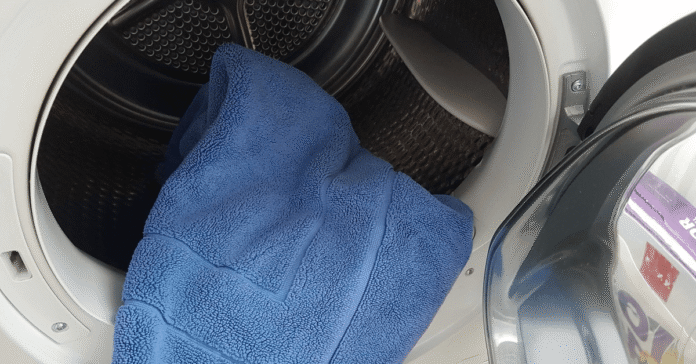
They are controversial: Bath mats and bath rugs repel many, others consider them indispensable. However, washing bath mats is hygienically important. There are two things to bear in mind to prevent damage to the washing machine!

Washing bath rugs and bath mats

It is inevitable that dust, dander and hair will accumulate in bath mats and bath rugs. Moisture can also cause mold to form in the fibers. And last but not least, to prevent the spread of athlete’s foot, it is important to wash your bath mat, rug or bath mat regularly.

This can normally be done easily in the washing machine. But before we explain what you need to bear in mind, let’s first answer the question of how bath mats and bath rugs actually differ.

Washing bath mats: Avoid these two mistakes. Credit: FUNKE Digital

Bath mat or bath rug: What’s the difference?

Bath rugs are generally made of synthetic fibers such as polyacrylic or polyester. They are also larger and heavier than bath mats. Bath mats, on the other hand, tend to be smaller and are usually made from natural fibers such as cotton.

However, the transitions are fluid and there are also regional differences in the names. For this reason, both bath rugs and bath mats are mentioned equally in this article, although the problems with washing primarily relate to the larger bath rugs.

Two mistakes when washing with the washing machine

There are two mistakes to avoid when washing bath mats and rugs.

1st mistake: Too heavy

An old household rule says that you should always leave a hand’s breadth of space in the drum to protect the washing machine from overloading. Many experts now consider this rule to be outdated, as the washing drums of modern machines are full before the maximum weight is reached.

However, this only applies to items of clothing. However, bath mats and bath rugs are large and heavy – and they soak up a lot of water, which increases their weight even more. This can be a problem when spinning in two ways:

  • In the more favorable case, the washing machine’s imbalance control comes into play: this balances out the spin cycle or cancels it. The bath rug comes out of the washing machine soaking wet.
  • In the worst-case scenario, the unbalance control does not work and the washing machine can be damaged – over time – due to the heavy weight: Expensive bearing damage is imminent.

Here you will find external content from Flickr that is recommended by our editorial team. It complements the article and can be displayed and hidden again with one click.

I agree that this external content may be displayed to me. Personal data may be transmitted to the provider of the content and third-party services.

With or without unbalance control: A permanent heavy load can shorten the service life of your washing machine. For large, heavy bath mats and bath rugs, you should therefore always pay attention to the maximum load limit of the washing machine.

2nd mistake: Too hot

Bath mats and bath rugs often have a rubber coating on the underside 🛒. This is to prevent slipping on smooth tiles. Bath mats and rugs with a rubber coating should be washed at a maximum of 40 °C on a gentle cycle. If you wash them at 60 °C or higher, the rubber coating can come loose and stick to the inside of the washing machine. If the detached rubber pieces stick to inlets and outlets as well as sensitive parts, this can restrict the function of the washing machine and result in expensive repairs.

Bath mats made of pure cotton and without rubber can of course also be washed at 60 °C.

You should therefore read the manufacturer’s care instructions carefully before washing bath mats and rugs. Because even if they do not immediately cause damage to the washing machine, the mistakes can be costly in the long run.

Sources: frag-team-clean, familyhandyman

The links marked with the shopping cart 🛒 are affiliate links. The products are researched to the best of our authors’ knowledge and some are also recommended from personal experience. If you click on such an affiliate link and buy something through it, our editorial team will receive a small commission from the online store in question. For you as a user, the price does not change and there are no additional costs. The income helps us to offer you high-quality, entertaining journalism free of charge.

Laundry: Never wash at 40 °C? 10 degrees makes all the difference

0

Opinions differ when it comes to washing temperatures: some swear by high temperatures, others by low ones. But does it really make a difference whether you wash your laundry at 30 °C or 40 °C? The answer is surprising: the effect of the seemingly minimal difference is enormous.

Washing laundry: at 30, 40 or 60 °C?

We used to learn at home economics school that lightly to normally soiled clothes should be washed at 40 °C, heavily soiled laundry at 60 °C – or even 90 °C. However, this rule no longer applies to modern detergents. However, this rule no longer applies to modern detergents. Nevertheless, it seems to be more persistent than any grass stain. Reason enough to get to the bottom of the question.

Why lower temperatures are enough

From ancient times to the middle of the 20th century, the washing result actually depended significantly on the washing temperature. This was due to the soaps, surfactants and bleaching agents used, which were able to dissolve the dirt molecules better the hotter the water was.

Since the 1970s, however, manufacturers have increasingly relied on detergent combinations with enzymes. Development in this area has progressed considerably. Modern detergent enzymes are not only more environmentally friendly, they also develop their full washing power at low temperatures.

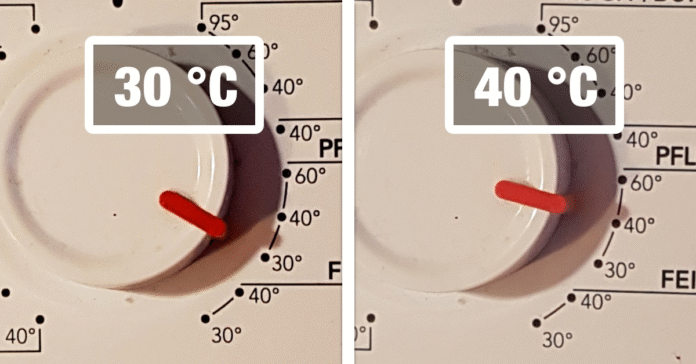
Washing your clothes at 30 °C now achieves the same washing result as at 40 °C. So there is no difference between 30 °C and 40 °C in terms of washing results. In other respects, however, there is!

Save money with 30°C washing

Your laundry may not care whether you set the machine to 30°C or 40°C. But your wallet and the environment don’t!

Washing your laundry at 30 °C can save you a lot of money. Credit: Media Partisans/FUNKE Digital

On average, a washing machine requires twice as much energy for a washing temperature that is 10 °C higher. This is because the appliance uses more than three quarters of the energy to heat the water. This is particularly noticeable in the higher temperature ranges between 60 °C and 90 °C.

However, even in the lower temperature range, you can save a lot of electricity with a lower setting: If you lower your washing temperature from 40 °C to 30 °C, you reduce energy consumption and CO₂ emissions by 35%. If you previously always washed at 60 °C and now wash at 30 °C, you save a whole 67 % on electricity costs! At current energy prices, this will pay off considerably at the end of the year.

When it pays to wash at 60°C

Even if modern detergents achieve satisfactory results at 30 °C, some items of laundry are better washed at 60 °C. Especially if there is a risk of infection: “Boil washing is only necessary if infectious diseases are rampant in the household or if special hygiene is required, for example for relatives in need of care,” explains Stiftung Warentest.


You may also be interested in these articles:


It is also better to wash towels, bed linen or dishcloths at 60 °C, as athlete’s foot, mites or germs could settle here. Otherwise, there is generally no hygienic need for washing temperatures above 30 °C.

Save around 35 to 67 % on energy costs! Who would have thought that washing at lower temperatures would have such an effect?

Source: freundin

Laundry: Moths my ass! The real reason for small holes

0

“Have I caught clothes moths?” When you discover small holes in your clothes, this is often your first fear. In fact, the causes of the small “vampire bites” in T-shirts, undershirts and the like are often quite different. Here you can find out which culprits are usually behind them and what you need to do if moths really are the reason for the holes.

Holes in clothing due to friction

Resourceful household detectives have discovered that the main culprits for small holes in clothing have to do with our trousers: Belt buckles, buttons, rivets and zippers create constant abrasion, which over time wears out the fabric. The thin T-shirt fabric takes it particularly badly if the hip regularly rubs against the edge of the sink when washing dishes. A protruding zipper also wears down the material with every movement until it eventually tears.


You may also be interested in these articles:


Forgotten laundry net

It gets nasty when loose bra fasteners, defective underwires or open zippers eat holes in the delicate cotton fabric during washing. Bras should therefore always be washed in a laundry net and zippers should be closed. Pants and jackets should be washed inside out if possible. If you want to be on the safe side, you can also sort your laundry into garments with and without buttons, buckles and hooks.

Poor quality textiles

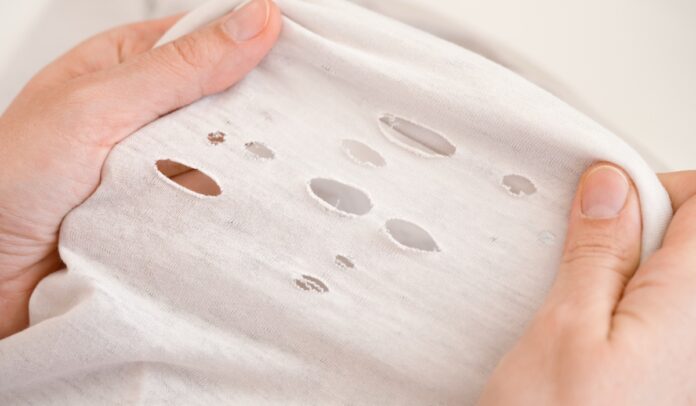
Common reason for small holes: poor quality. Credit: IMAGO / Pond5 Images

In an estimated 80 percent of cases, the susceptibility to small holes in clothing is related to the quality of the fabric. Thin fibers, cheap processing and aggressive dyeing or bleaching processes do not promise a long shelf life. The friction of the material in the washing machine or frequent putting on and taking off is enough to overstretch the thread of the shirt. The problem is that second-class fabrics are also difficult to darn.

TipWhen buying, you can determine the quality of the fabric by pulling it apart a little. The thread should run evenly. If lint balls form when you rub the fabric briefly between your fingers, this is a sign of inferior quality.

Holes caused by washing machine

As the small holes in clothing are usually discovered after washing, the washing machine is often suspected. This suspicion is not unfounded. Buttons, rivets and fasteners can leave fine edges in the sieve of the washing drum. The drum can be inspected for such microscopic barbs using a pair of nylon tights that are no longer needed. You should also check whether the drum ribs are really tight.

However, the fact that the holes appear after washing is usually simply due to the fibers swelling and contracting due to the warm water.

Holes caused by clothes moths: What you can do

Everyone fears them: clothes moths. Moth holes are difficult to distinguish from the holes mentioned above with the naked eye. As a rule, they are more irregular and occur in small nests. If you are unsure, you should use a clothes moth trap. 🛒 hang up in the cupboard. This is the best way to detect an infestation.

Once the moth has been identified as the culprit, all items of clothing must be washed and the inside walls of the closet must also be cleaned. An alternative to washing is the freezer: the harmful moth larvae cannot tolerate icy temperatures. Lavender or a bar of soap in the wardrobe will prevent the pests.

The links marked with the shopping cart 🛒 are affiliate links. The products are researched to the best of our authors’ knowledge and some are recommended from personal experience. If you click on such an affiliate link and buy something through it, our editorial team will receive a small commission from the online store in question. For you as a user, the price does not change and there are no additional costs. The income helps us to offer you high-quality, entertaining journalism free of charge.

Kumarhanelerin Dijital Dönüşümü ve Geleceği

0

Kumarhaneler, son dönemlerde dijital evrim sürecine girmiştir. Özellikle 2023 senesinde, online kumar platformları, dünya genelinde 70 milyar dolarlık bir pazar hacmine ulaşmıştır. Bu ilerleme, teknolojinin gelişimi ve mobil aletlerin yaygınlaşması ile mümkün olmuştur. Örneğin, Bet365, kullanıcı dostu arayüzü ve geniş oyun yelpazesi ile dikkat üzerinde durmaktadır. Daha fazla bilgi için Bet365’in resmi web sitesini incele edebilirsiniz.

2024 yılında, Las Vegas’taki kumarhaneler, sanal dünya (VR) teknolojisini kullanarak oyunculara daha etkileşimli bir deneyim sunmayı planlamaktadır. Bu teknoloji, oyuncuların oyun masasında gerçek bir çevredeymiş gibi hissetmelerini temin edecek. Ayrıca, kumarhaneler, yapay zeka (AI) kullanarak oyuncu hareketlerini analiz ederek, özelleştirilmiş oyun deneyimleri sunmayı hedeflemektedir.

Kumarhanelerin dijitalleşmesi, aynı aynı zamanda sorumlu oyun yaklaşımlarının geliştirilmesine de olanak tanımaktadır. 2023 yılında, New Jersey Eyalet Hükümeti, online kumar sistemleri için yeni değişiklikler getirmiştir. Bu düzenlemeler, oyuncuların korumasını artırmayı ve bağımlılık riskini azaltmayı amaçlamaktadır. Kumarhanelerin etkisi üzerine daha fazla bilgi için New York Times makalesini inceleyebilirsiniz.

Sonuç itibariyle, kumarhaneler, dijital dönüşüm ile birlikte daha inovatif ve kullanıcı uygun hale dönüşmektedir. Ancak, oyuncuların korumasını sağlamak için lisanslı platformları tercih etmeleri önemlidir. Kumarhanelerin sunduğu dijital imkanlar, oyunculara daha kaliteli bir deneyim sunarken, aynı zamanda sorumlu oyun uygulamalarının da göz dikkate bulundurulması gerekmektedir. Daha fazla veri almak için Supabet casino adresini görüş edebilirsiniz.

Laundry: Toothpaste against grass stains – 4 ingenious instant helpers

0

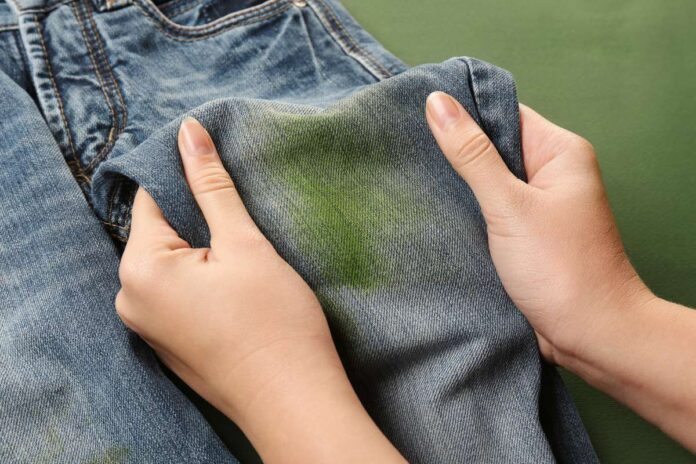
A relaxed day in the garden, a picnic in the park or a wild game of soccer with the kids – and suddenly: a grass-green stain on your jeans, shirt or favorite dress. Sound familiar? No wonder, because grass stains are one of the most common but also most stubborn everyday stains. The good news: with the right products, removing grass stains is easier than you think.

Why are grass stains so difficult to remove?

The culprit is called Chlorophyll – the natural plant pigment that penetrates deep into the fibers and settles there. Textiles such as cotton or denim in particular absorb these pigments like a sponge. The longer you wait to treat the stain, the more difficult it becomes. Therefore: Act quickly is worth it!


You might also be interested in these articles:


Removing grass stains: These home remedies really work

You don’t need any special chemicals. You can find many effective remedies for grass stains right in your kitchen or bathroom. These four household remedies are real saviors:

  • Vinegar and baking sodaThe classic – vinegar dissolves the color pigments, baking soda gently rubs them out of the fabric.
  • AlcoholIdeal for fresh stains – soak a cloth with alcohol, dab, rinse.
  • Gall soapThe natural enzyme power of this soap cracks even older grass stains.
  • ToothpasteThe white version is best – apply, massage in with a brush, leave on, rinse. Perfect for jeans!

Tip: Always test on an inconspicuous area first, especially with sensitive fabrics!

What to do with dried grass stains?

Some discolorations need more than just a home remedy. Then it helps to combine the methods. For example:

  1. First sprinkle with baking soda and leave to work.
  2. Then treat with vinegar solution or gall soap.
  3. Finally, rinse thoroughly and place in the machine.

For older stains or heavily pigmented floors (e.g. loamy substrate), a special enzyme cleaner from the drugstore can work wonders.

And if nothing helps?

Then there is still the professional textile cleaning. They use special agents and techniques that can completely remove even deep-set stains – ideal for delicate fabrics or expensive favorite items.

And if you want to get creative: sometimes a stain can also be concealed, restyled or upcycled. A stylish patch or a cool patch – and the mishap becomes unique.

This article was partly created with machine assistance and carefully checked by the editorial team before publication.


Laundry: Spray stains with WD-40 from now on – the result is convincing

0

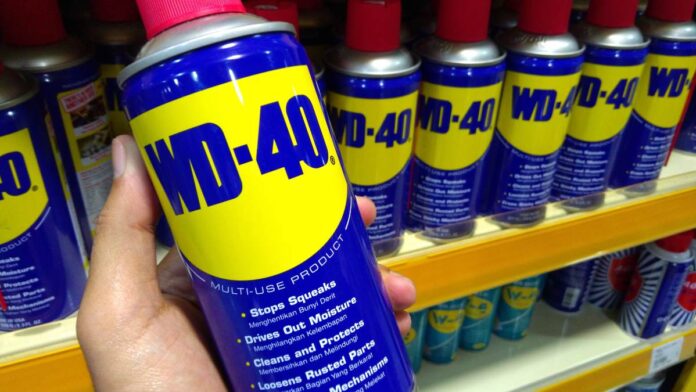
Remove stains with WD-40? Of course you can! When it comes to caring for clothes, most people think of washing, drying and ironing. But there is another way to keep clothes in good condition: WD-40! The penetrating oil, which is normally used to make squeaky doors or rusty bicycle chains work, can also work wonders on textiles.

WD-40 is a versatile penetrating oil that is generally used as a lubricant and rust remover. However, the multifunctional oil can also be helpful when caring for items of clothing.

Removing stains with WD-40

Stubborn oil and grease stains can be removed with WD-40. The multifunctional oil can also help with other stains on clothing. The fine oil penetrates deep into the fibers and dissolves the dyes without leaving any residue.

Simply spray a small amount onto the stain, leave the oil to work in and then rinse it out with detergent.

WD-40 as a waterproofing spray

You can also use the penetrating oil to waterproof your leather shoes or winter boots. It also forms a water-repellent protective layer on many other textiles that keeps out rain and moisture.

This is how WD-40 helps to remove stains. Credit: IMAGO / Pond5 Images

Removing chewing gum from clothing

Anyone who has ever sat on spit-out chewing gum knows how firmly it sticks to clothing. WD-40 can help you to remove the chewing gum from the fabric.

First place the item of clothing in the freezer for a few hours. Then spray some multifunctional oil on the area and pull off the hard chewing gum.

Loosening jammed zippers

Never tug at a jammed or stiff zipper. Otherwise it could break. Instead, use WD-40 penetrating oil. It lubricates the zipper without greasing it.

Note on the use of WD-40 on clothing

Make sure that you do not use the penetrating oil on delicate fabrics such as silk or satin. You should also always try out an inconspicuous area beforehand to see if your clothing is compatible with the penetrating oil.

As it turns out, WD-40 is not only suitable for hinges and bicycle chains. It is also a true all-rounder for textile care.

Laundry: Washing fitted sheets – one setting prevents them from wearing out

0

It makes sense: we spend around a third of our lives sleeping, and we inevitably leave sweat, skin flakes and other body residue on our bed linen. Regular washing is therefore not only a question of hygiene, but also ensures better sleeping comfort. But how do you wash fitted sheets correctly so that they retain their fit, elasticity and color? With the right care tips, you can significantly extend the lifespan of your fitted sheets and ensure restful nights in fresh bed linen.

How often should fitted sheets be washed?

Before we look at the washing methods, the question arises as to the correct washing frequency. As a rule, you should change them every two to three weeks. If you sweat a lot, have skin problems or allergies, you should even wash them weekly. In summer, when we sweat more at night, it is logical to change them more frequently than in cooler seasons.

Regular cleaning not only prevents the build-up of mites and bacteria, but also keeps you feeling fresh when you go to bed. In addition, body oils and sweat can attack the fibers of your fitted sheet over time, shortening its lifespan.

You must pay attention to this when washing your sheet. Credit: Ламина Акулова – stock.adobe.com

The right wash cycle: temperature and program

Choosing the right washing temperature and program for your washing machine depends on the material of your fitted sheet. Always check the care label before washing to follow the manufacturer’s specific recommendations.

As a general guideline:

  • Cotton fitted sheetsThese robust classics can usually be washed at 60°C without any problems. This temperature reliably kills bacteria and mites and thoroughly removes sweat and skin oils.
  • Microfiber and syntheticsThese materials should be washed at lower temperatures (30-40°C) and on a gentle cycle to maintain their elasticity.
  • Jersey fitted sheetThe popular, stretchy jersey sheets made of cotton can usually withstand 40-60°C.
  • Satin and silkThese fine materials require special care and should only be washed at 30°C on a delicate wash program.

For colored fitted sheets, use a color detergent 🛒 without optical brighteners to prevent fading. For white sheets, use a heavy-duty detergent that refreshes the white tones. You should avoid using fabric softener as it reduces the absorbency of the material and can leave behind residues that can cause skin irritation.

Mastering special challenges

Fitted sheets sometimes present us with special challenges that require special treatment:

Stubborn stainsAlways treat stains immediately. Pre-treat sweat stains with gall soap or a stain remover. Blood stains should first be rinsed out with cold water – warm water fixes the blood in the fabric. For stubborn stains, soaking in water with a splash of lemon juice or baking soda can help.

Yellowed white sheetsSometimes a wash cycle with a cup of white vinegar instead of fabric softener helps against yellowing. Alternatively, you can soak the sheets in hot water with a solution of baking soda before washing them normally.

Decreasing elasticityIf the elastic in your fitted sheet starts to give way, wash it at a lower temperature and do not tumble dry it. Heat is the main enemy of elasticity.


You may also be interested in these articles:


Correct drying for a long shelf life

After washing, proper drying is crucial for the longevity of your fitted sheets: Most cotton fitted sheets can be dried in the dryer at a low to medium temperature. However, take them out while they are still slightly damp to avoid excessive shrinkage and creasing. Synthetic materials and delicate fabrics such as silk should be left to air dry.

Hanging on the washing line should be done in such a way that the fitted sheet is stretched as little as possible. Fold it once in the middle and then hang it over the line. You should avoid direct sunlight on colored sheets as they can fade.

By the way: If you fold your fitted sheets immediately after drying or pull them onto the bed, you can often do without ironing. If creases do remain, a quick pass over with an iron at a low to medium temperature is sufficient for most materials.

The links marked with the shopping cart 🛒 are affiliate links. The products are researched to the best of our authors’ knowledge and some are also recommended from personal experience. If you click on such an affiliate link and buy something through it, our editorial team will receive a small commission from the online store in question. For you as a user, the price does not change and there are no additional costs. The income helps us to offer you high-quality, entertaining journalism free of charge.

Source: fragteamclean

Cleaning: These 9 things never belong in the kitchen drain!

0

Pharmaceutical residues can be found almost everywhere in nature. Some of it ends up in the wastewater via our urine. However, some is also simply poured down the sink. Although medicines in wastewater are not directly dangerous for humans, they are a burden on the environment. And wastewater treatment is becoming increasingly expensive. After all, nobody wants to have medicines in their drinking water that are not intended for them.

But why do only a few pharmacies offer to accept expired medicines these days? Because a large proportion of residual waste is incinerated. Incineration destroys the harmful components of the medication. In principle, tablets, ointments and tinctures that are no longer used can therefore be disposed of with the normal residual waste. However, there is no standardized regulation for this. Here you can find out how to get rid of old medicines in your region. But definitely not down the drain.

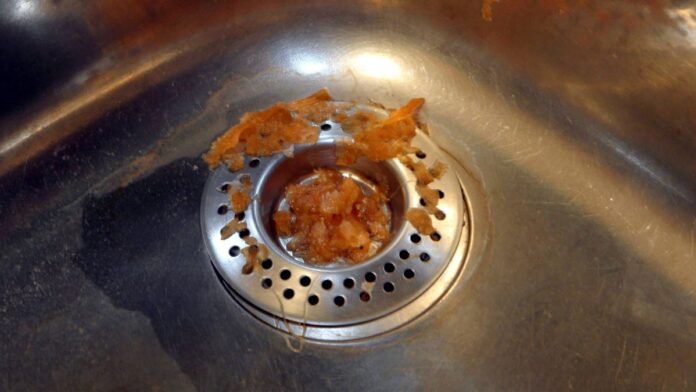
Sinks and washbasins are not garbage chutes! It is certainly unavoidable that more than just water runs down the drain from time to time. But if you pay attention to the points mentioned above, you will reduce the strain on pipes, health and the environment. They will thank you for it. And so will you – because a blocked drain is anything but a pleasure. Credit: IMAGO / Panthermedia